
In big news, the Australian government has officially changed its travel advice for five Middle Eastern countries from ‘do not travel’ (Level 4) to ‘reconsider your need to travel’ (Level 3). Here’s what it means for travellers.
Australia has downgraded its travel advice for five Middle Eastern countries, including Bahrain, Israel, Kuwait, Qatar and the United Arab Emirates. However, some areas within Israel remain a ‘do not travel status’.
The announcement comes ahead of the USA and Iran’s formal signing of a peace deal on Friday, and is expected to have a significant positive impact on travellers’ confidence.
In a joint media release published this morning, Minister for Foreign Affairs Penny Wong and Assistant Foreign Affairs Minister Matt Thistlethwaite said that, while the security situation in the Middle East could rapidly change or decline, the Department of Foreign Affairs and Trade (DFAT) has assessed the conditions and judged it appropriate to change Bahrain, Israel, Kuwait, Qatar and the United Arab Emirates to a Level 3 or ‘reconsider your need to travel’.
What does this mean for travellers?
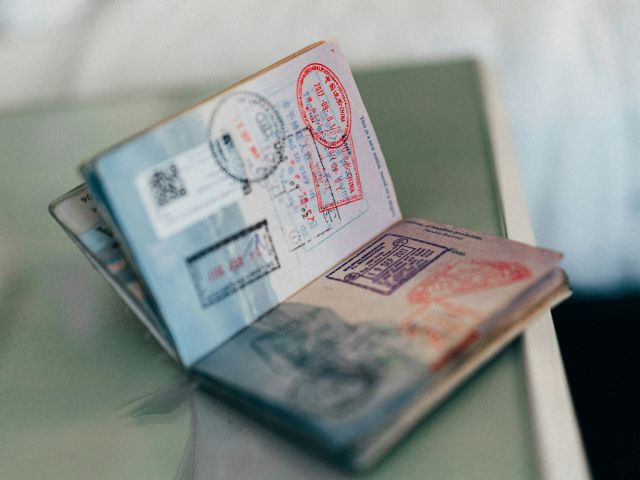
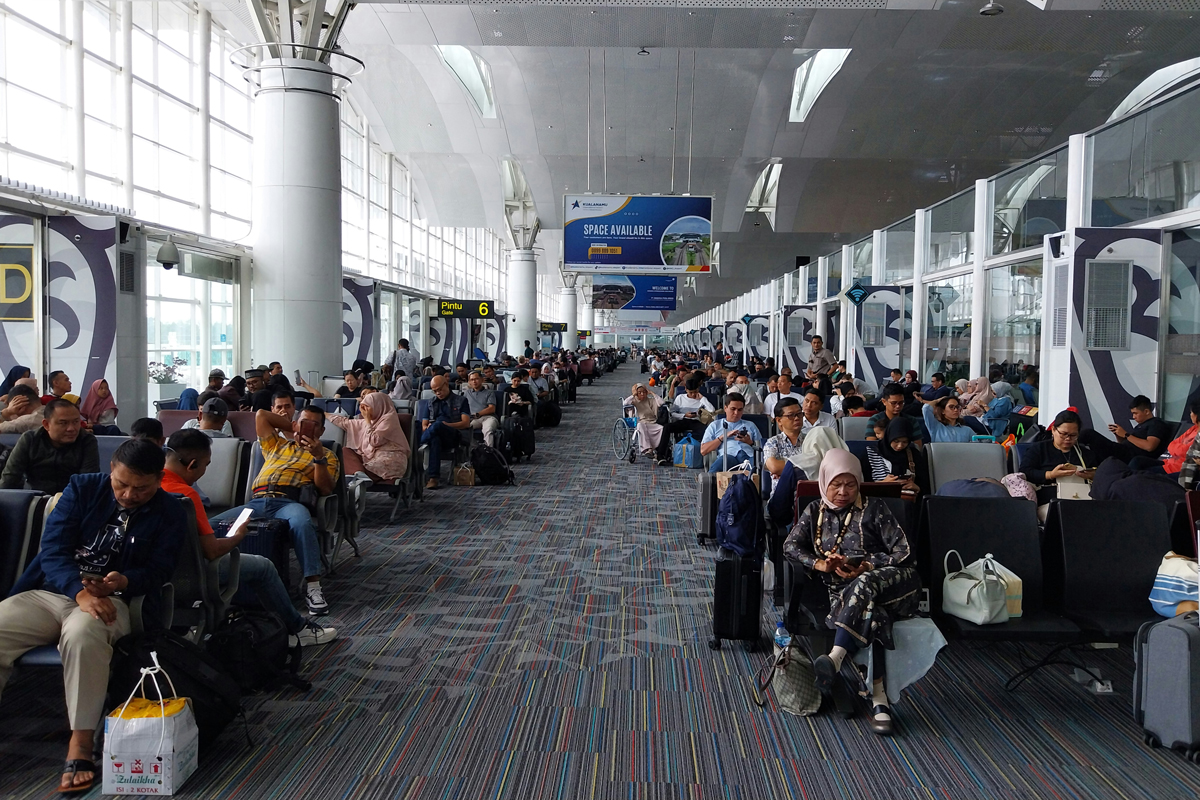
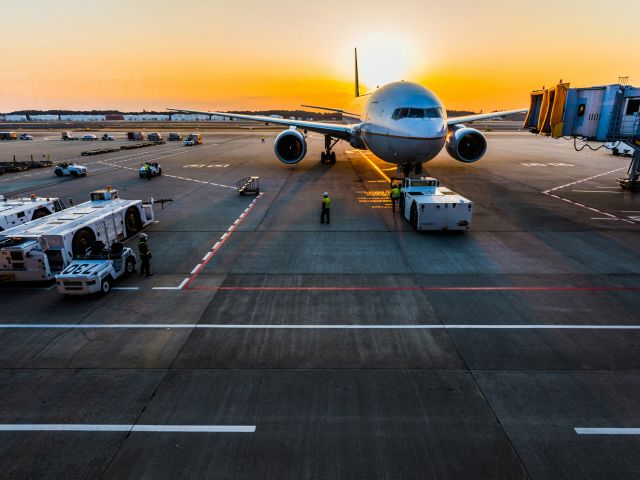
With Level 4 locations highly unlikely to be covered by travel insurers, travellers from Australia can now travel through and to the Arabian Peninsula with travel insurance protection. The change clears a major hurdle for Australians transiting through the Middle East to reach the United Kingdom, Europe, India and Africa. These travellers will no longer face some of the complications that the Level 4 warning created for transit travel, particularly those related to insurance.
As a result, we may soon be seeing a surge in travellers finally setting off on the trips they have been postponing as a result of the Middle East conflict.
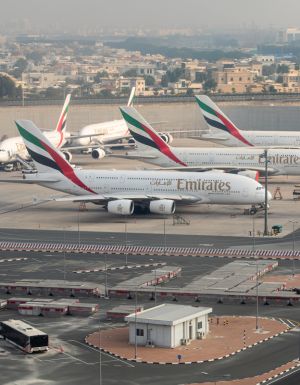
There could also be some welcome relief for travellers’ wallets. Middle Eastern carriers such as Qatar Airways and Emirates account for a significant share of Australia–Europe/UK flight capacity, and when concerns about regional conflict prompted many travellers to avoid Gulf transit hubs, demand shifted to alternative routes via Singapore, Bangkok and other Asian cities. This meant prices for flights transiting through Asia increased. As confidence in those Middle Eastern connections returns, increased competition between airlines could help keep a lid on airfares – particularly on popular Europe-bound routes.
Smartraveller states that Level 3 or ‘reconsider your need to travel’ means avoiding or postponing non-essential travel, and taking extra precautions to protect yourself against security and health risks. These destinations are still classed as unstable, with DFAT warning that circumstances can shift abruptly.
The government urges travellers to obtain travel insurance and ensure they have carefully read the product conditions so they understand what is and isn’t covered. Not all travel insurance policies may cover Level 3 locations.
DFAT continues to advise ‘do not travel’ to Iran, Iraq, Lebanon, Palestine, Syria and Yemen, and ‘reconsider your need to travel’ to Jordan, Oman and Saudi Arabia. The body will continue to monitor the conditions closely and keep all Smartraveller advisories under review.
Want to see more stories from International Traveller in your Google search results?
- Click here to set International Traveller as a preferred source.
- Tick the box next to "International Traveller". That's it.