hero media

Why Granada is Spain’s most underrated city

Granada is a Spanish city that so often falls under the radar when travellers head to the Mediterranean country, but not for long.

Spain is one of the top travel destinations in the world, attracting visitors from all over, at any time of the year. Most travellers will have Madrid and Barcelona on their itinerary, maybe Valencia, Seville and Ibiza too. But Granada in the country’s south is often left off.

Granada has a complex history which is shown in the vast, jaw-dropping architecture, the cuisine, and the overall culture of the city. There’s an energy to Granada’s streets, packed with bars, student dives, bohemian cafes and intimate flamenco clubs, and it’s this as much as the more traditional sights that leaves a lasting impression. Here’s why it’s Spain’s most underrated city, and trust us, you’ll be adding it to your bucket list immediately.

Granada was under Moorish rule for around 800 years

In AD 711, large parts of the Iberian Peninsula (now known as Spain) were brought under Muslim control, and these parts were called al-Andalus. al-Andalus had a mixed population of Christians, Muslims, and Jews.
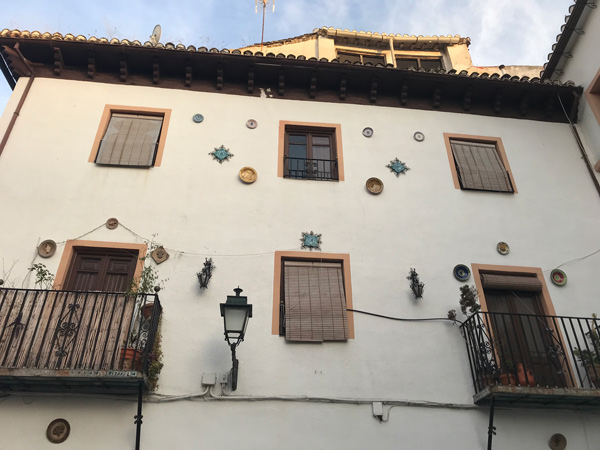
Moorish buildings in the Albaicin. (Image: Emily Murphy)
Moorish buildings in the Albaicín. (Image: Emily Murphy)

Over the course of centuries, Granada’s architecture has been influenced by four major styles – Moorish, Renaissance, Gothic and Baroque. The city’s most impressive buildings date from the period of Arabic rule and the subsequent Catholic epoch which started after the Moors were displaced in 1492. From the dazzling majesty of the Alhambra to the awe-inspiring churches and the subtly elegant palaces, the city of Granada is indeed quite fitting the status of an architectural hub.
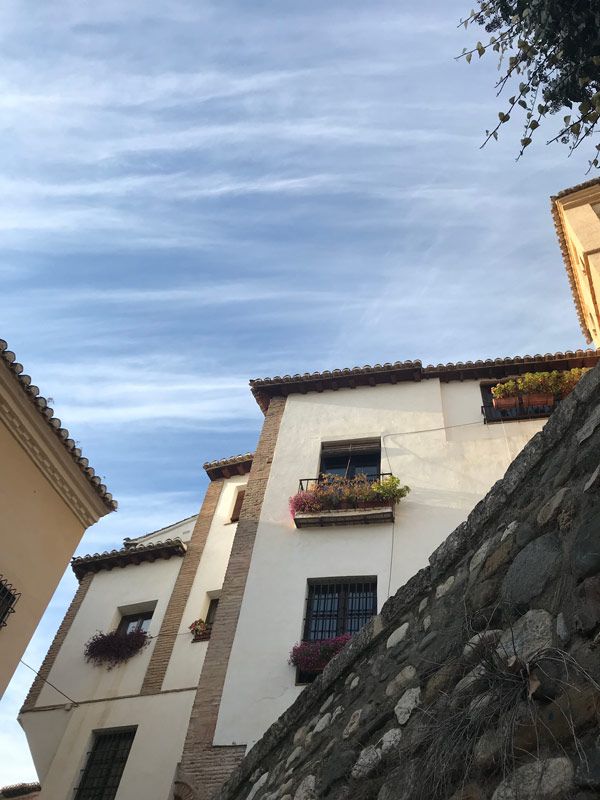
Buildings in Granada, Spain. (Image: Emily Murphy)
The buildings have very distinct styles. (Image: Emily Murphy)

The Alhambra

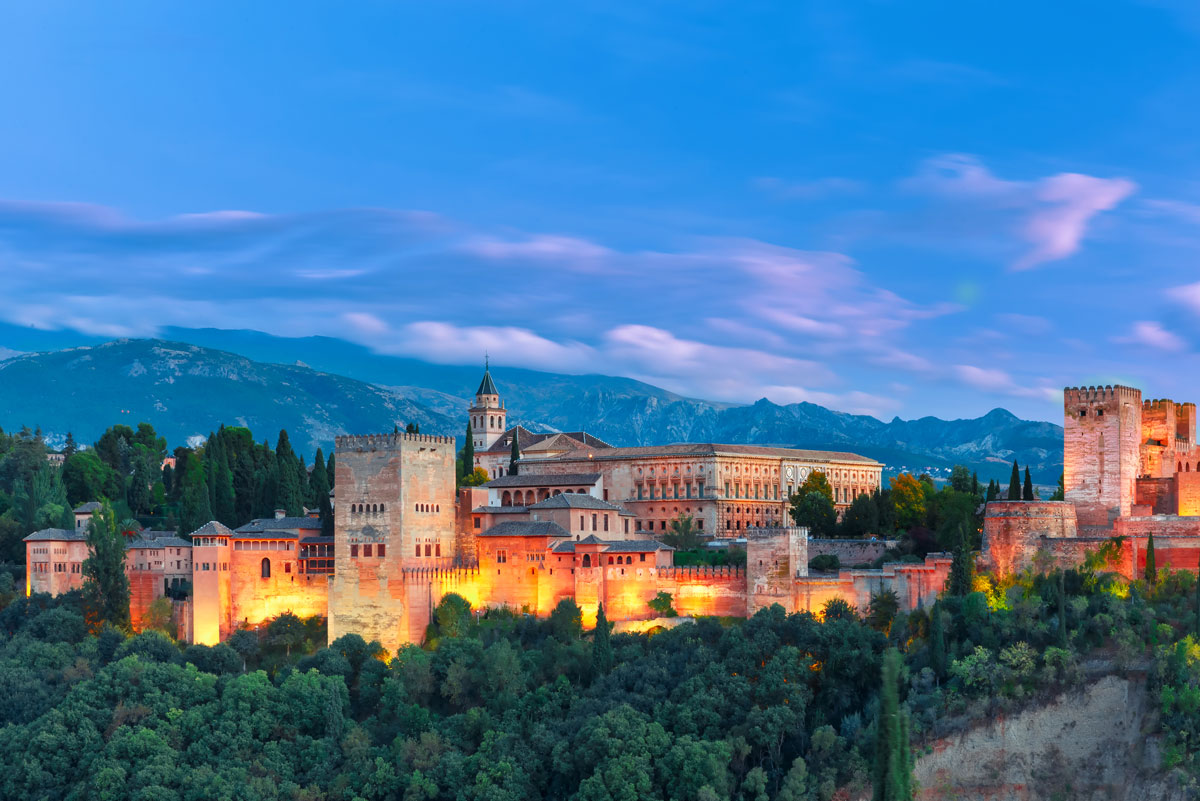
The Alhambra is a UNESCO World Heritage-listed site built by the Moorish rulers in the 13th century. The 140,000 square-metre site looms over the city no matter where you are and is next-level impressive.
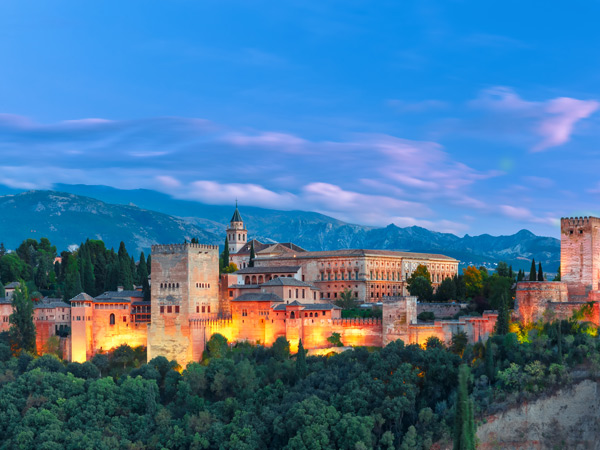
Alhambra during evening blue hour in Granada, Andalusia, Spain
The Alhambra is an architectural masterpiece.

There are three distinct parts of the Alhambra: The Nasrid Palaces, the Generalife and the Alcazaba, and it’ll take you about three hours to see everything properly. Just remember to book your tickets in advance because The Alhambra has daily limits for visitors.
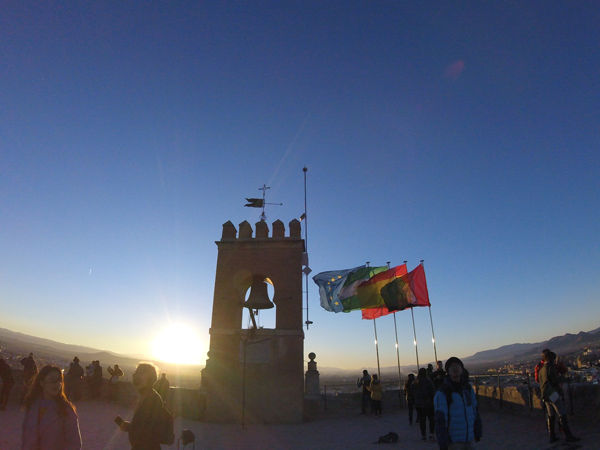
Sunset at the top of the Alhambra. (Image: Emily Murphy)
Watch the sunset at the top of The Alhambra. (Image: Emily Murphy)

You can wander completely on foot

Granada is a city best explored on foot, as its narrow streets can often lead to the discovery of unexpected gems off the beaten path. Apart from discovering secret corners in the Albaicín such as the Cuesta de los Chinos, you can also wander around the charming streets of the Realejo neighborhood or around the caves of the Sacromonte. Just be prepared for the hills!
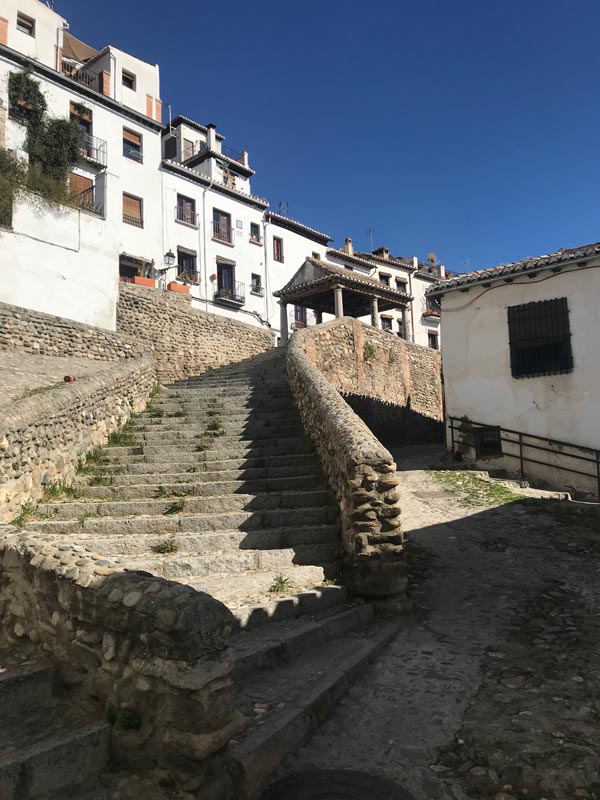
Staircase in the cobblestoned streets of Granada. (Image: Emily Murphy)
There are lots of stairs and hills in the cobblestoned streets. (Image: Emily Murphy)

The melting pot is evident in the cuisine

With the 800-year Moorish influence, it’s needless to say, you can still find evidence of this heritage today. It’s not only in the language and architecture of the city but also in the gastronomy. Arabic influences strike a surprising balance with native traditions. You’ll notice this balance in the typical food in Granada. Back in the times of the Spanish Inquisition, showing that you embraced Christianity was crucial. And the easiest way to prove it was by eating pork! As eating pork is not a part of Islam or Judaism, the ingredient started to spring up in Spanish dishes, one of which is the local favourite dish, Plato Alpujarreño, which comes from the mountain villages of Las Alpujarras. It usually contains potatoes, fried eggs, cured ham, blood sausage (morcilla), sweet peppers and chorizo.
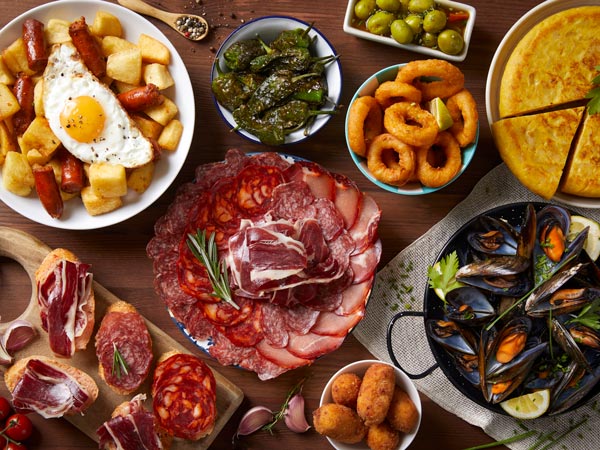
A table with typical Spanish food seen from above on a wooden table
Jamon is popular in the cuisine, which traces back to the Spanish Inquisition.

The Sierra Nevada is right there

At the Sierra Nevada Mountain range, you’ll find the highest peaks in continental Spain. There are more than 15 mountains with an altitude of over 3,000 metres and rivers and streams that extend for 90 kilometres. Populated for more than 2,000 years, the Sierra Nevada is the perfect place for witnessing humans and wildlife co-existing in the high mountains.

In winter, it’s a great place to ski or enjoy the snow in the park. You can even see as far as Morocco on a clear day. Make sure you stop by Las Alpujarras while you’re there too, these unique hamlets have retained their traditional architecture – terraced clusters of grey-white box-shaped houses with flat clay roofs.
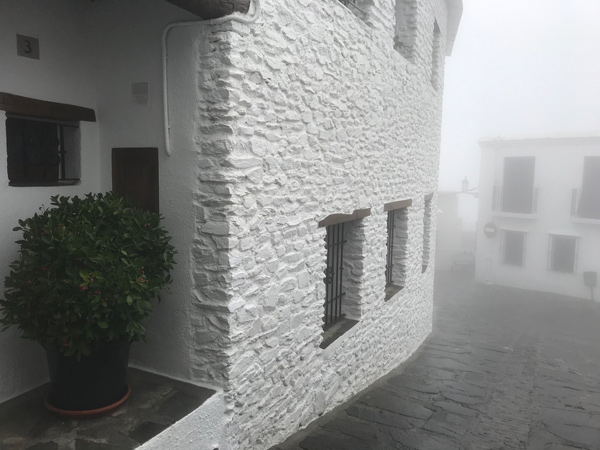
Misty cottages in Las Alpujarras. (Image: Emily Murphy)
The traditional architecture of Las Alpujarras has been retained. (Image: Emily Murphy)

Weekly travel news, experiences
insider tips, offers,
and more.

Granada is one of the birthplaces of Flamenco

Many of Granada’s best flamenco shows are located in the old Roma gypsy district of Sacromonte up in the hills, high above the city. Venta El Gallo is celebrated for being the birthplace of the local Zambra style of flamenco. To add to the magic, it is performed in an old traditional cave home, with its white-washed walls and decorative copper pots giving it a very rustic and local feel.

Flamenco show at Venta El Gallo. (Image: Emily Murphy)
Venta El Gallo is the birthplace of the local Zambra style of flamenco. (Image: Emily Murphy)

You can eat for free in most tapas bars

Yes, you read that right! In most tapas bars in Granada, with each beer, wine or soft drink you order, you’ll receive a hot or cold tapa to accompany it. Often light tapas such as olives, jamon or manchego cheese drizzled with olive oil, but some bars even opt for flaming chorizo or garlicky snails.
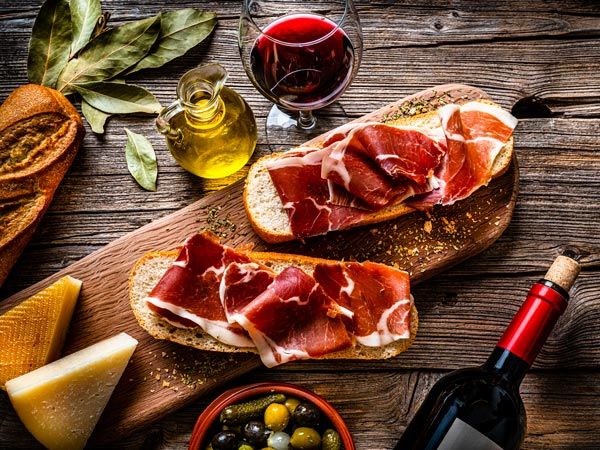
Spanish food Iberico ham sandwich, Spanish bocadillo de jamon Iberico and red wine
You’ll get free tapa at lots of bars.

Want to see more stories from International Traveller in your Google search results?

  1. Click here to set International Traveller as a preferred source.
  2. Tick the box next to "International Traveller". That's it.
Emily Murphy
Emily Murphy is International Traveller's Email & Social Editor, and in her time at the company she has been instrumental in shaping its social media and email presence, and crafting compelling narratives that inspire others to explore the world. Her previous role was a journalist at Prime Creative Media and before that she was freelancing in publishing, content creation and digital marketing. When she's not creating scroll-stopping travel content, Em is a devoted 'bun mum' and enjoys spending her spare time by the sea, reading, binge-watching a good TV show and exploring under-the-radar destinations. Next on her travel wish list? Mexico and an African safari.
View profile and articles
hero media

5 things every hotel needs for a more restorative stay

    Kate Bettes Kate Bettes
    Wellbeing means different things to different travellers. Here’s how to pick a hotel that gets it right for you.

    The best wellness holidays aren’t necessarily spent wrapped in a spa robe. Sometimes they’re found around a dinner table in Cambodia, on a hiking trail in New Zealand or after finally beating jet lag on the other side of the world. The hotel you choose is what makes them happen.

    1. Easy access to good food

    meals from Novotel Bangkok Sukhumvit 20
    Taste delicious meals at Novotel Bangkok Sukhumvit 20.

    One of the quickest ways to derail healthy habits on holiday is to spend half of it working out where to eat instead of digging into the culture around you. Thankfully, Novotel has done much of the hard work already, with chefs building menus that lean into the flavours, ingredients and traditions of each destination.

    In Sihanoukville, Cambodia, Korkor soup – often dubbed ‘Cambodian ratatouille’ – sits alongside raw blue crab dressed with lime and chilli, best enjoyed with views across the Gulf of Thailand.

    In the lovingly chaotic city of Bangkok, the presence of food cranks up the sociability. At Novotel Bangkok Sukhumvit 20, you can settle in with mango sticky rice and stranger-turned-friends beside the pool at Sky on 20 rooftop bar, or bring them along to tackle river prawns and stir-fried crab with holy basil at the buzzing Crab Paradise Dinner Buffet.

    Then Novotel Dubai Al Barsha welcomes you with a laidback twist on the level of indulgence the Middle Eastern city is best known for up on Deck Se7en. Looking towards Burj Al Arab, the rooftop lounge has everything from Mediterranean-style dishes like seabass ceviche to Italian prosecco sundowners.

    At the other end of the scale, in the hills that surround the Novotel Bali Ubud Resort, calm comes from nature. At Siralada restaurant, Balinese traditions shape the menu while thunder rumbles over the surrounding jungle – proving the setting is as nourishing as the food itself.

    While at Novotel Nha Trang, chef Kieu Thi My Hanh and her team showcase Vietnam’s knack for balancing freshness, texture and fragrant herbs. Pho remains a favourite, while seafood salad with pomelo and mango brings those flavours together in one bright dish.

    It’s all an approach backed by partnerships with expert food creators such as Alfie Steiner, whose plant-forward recipes prove healthy food should never taste plain.

    2. Better sleep options

    Novotel Bali Ubud Resort room
    Sleep deeply with Novotel.

    There are few travel experiences more disappointing than arriving in a new country, determined to seize the day, only to fall asleep fully clothed by 3pm.

    For Australian travellers, jet lag is often an unavoidable part of the journey. That’s one reason Novotel runs sleep-focused initiatives that help guests adjust quickly without compromising on health. We’re talking partnerships with Sydney-based sleep specialist Olivia Arezzolo, known for her advice on everything from better sleep habits to beating jet lag, alongside features like pillow menus, in-room yoga content and tailored sleep guidance.

    The sooner you’re operating on local time, the sooner you can get back to more pressing matters – like deciding which spa treatment to book.

    3. More ways to move

    woman hiking around queenstown new zealand
    Stay at Novotel Queenstown Lakeside and explore local hiking trails. (Credit: GettyI mages/ naruedom)

    Every place in the world has its own way of getting you moving: whether that’s hiking up ice-bitten mountains before a sauna or gentle stretching by the pool before a facial. From fitness centres to spas, Novotel recognises that wellbeing rarely looks the same.

    At Novotel Queenstown Lakeside, activity is inescapable. Here, hiking trails, ski fields, bungee jumps, and white-water rafting have made the region famous. The hotel’s location on the shores of Lake Wakatipu means less time spent organising yourself and more time out there experiencing them. To top it all off, you can book a private hot tub for the evening before heading back into the wilderness tomorrow.

    Bali, of course, takes a softer approach. At Novotel Bali Ubud Resort or Novotel Bali Nusa Dua, movement is less about conquering a mountain and more about a dance class between the tropical gardens and lagoon pools. Afterwards, the spa takes over, with traditional treatments like a Lulur body scrub: a combination of rice, turmeric, sandalwood, ginger and jasmine that’ll soothe muscles already relaxed by the Balinese heat.

    4. Better connections

    Novotel Sharm El Sheikh
    Kids will love a stay at Novotel Sharm El Sheikh.

    One of the best things about travel is that it gives your family stories you’ll be telling for years. Novotel helps create them with activities that bring everyone together, whether that’s trying something new, learning a local skill, or simply spending more time together.

    Go for a distinctly Thai twist at Novotel Phuket Vintage Park, where many of the family activities draw on local culture. Kids can try everything from beginner Thai boxing and language lessons to umbrella painting and – a pastime beloved by children the world over – pool foam parties. Everyone is welcome to join in, whether that’s getting splashed, covered in paint, or simply watching their children discover a new side of Thailand during the dedicated Family & Kids Day.

    A different adventure awaits at Novotel Sharm El Sheikh. Kids could be perfectly content with discos, drawing classes and new holiday friends, but the Red Sea has other ideas. Sitting on the edge of Naama Bay, days here might involve snorkelling colourful reefs, taking a boat trip to Ras Mohammed National Park or heading into the desert by quad bike or camel for a Bedouin-style dinner beneath the stars.

    5. Location is everything

    Surin Beach, Choeng Thale, Thalang District, Phuket, Thaiföld
    Explore Phuket’s gorgeous beaches. (Credit: Bence Biczo)

    Everyone’s idea of wellness looks a little different. With more than 600 hotels across 65 countries, Novotel gives guests the freedom to choose the destination that suits them best. Whether that’s a beachside escape in Phuket, an alpine expedition in Queenstown or a city break in Bangkok, there’s a good chance a Novotel isn’t far away.

    All that’s left? Choosing your version of wellbeing.

    Discover stays to inspire your everyday at novotel.accor.com.

    Why Granada is Spain's most underrated city - International Traveller