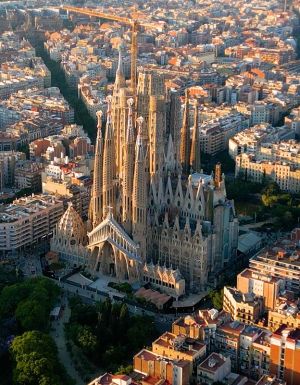

Here’s why it took 144 years to complete Spain’s most iconic building.
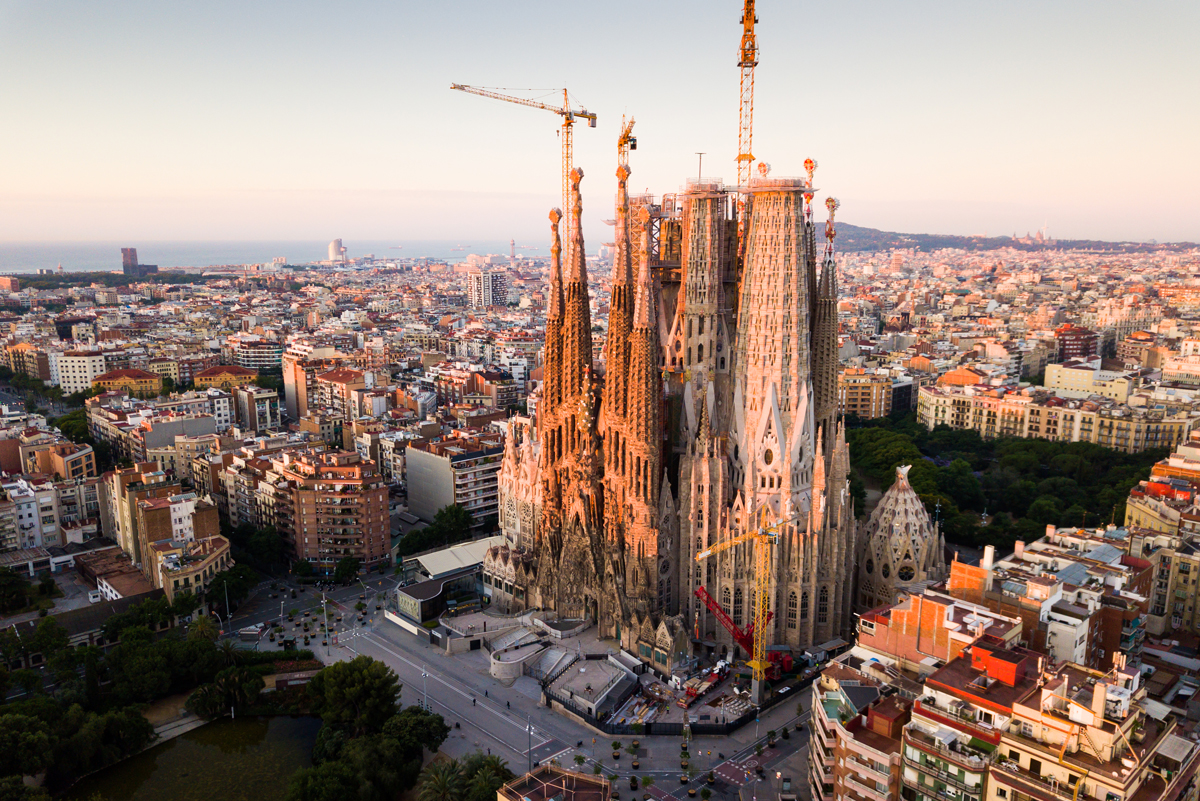
A quick scan of Barcelona’s skyline and you’ll spot it. La Sagrada Família is arguably one of the world’s top architectural wonders, with 4.8 million people visiting in 2024. But a glance at their camera rolls reveals one recurring motif: a patchwork of scaffolding, cranes and construction equipment.
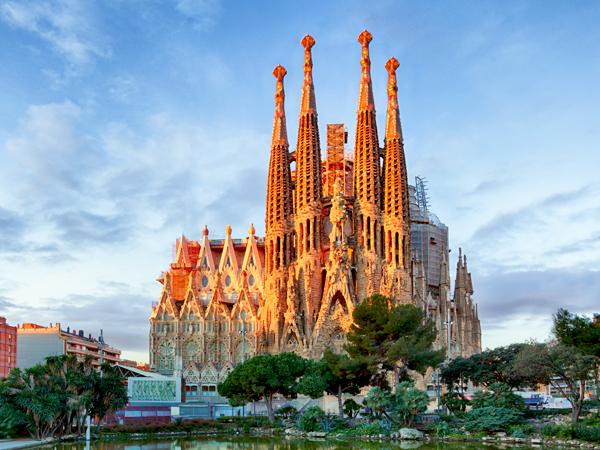
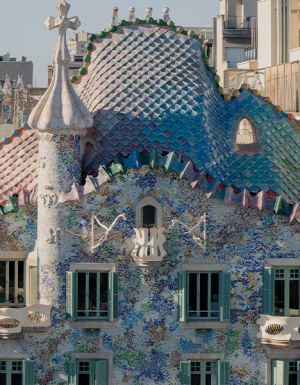
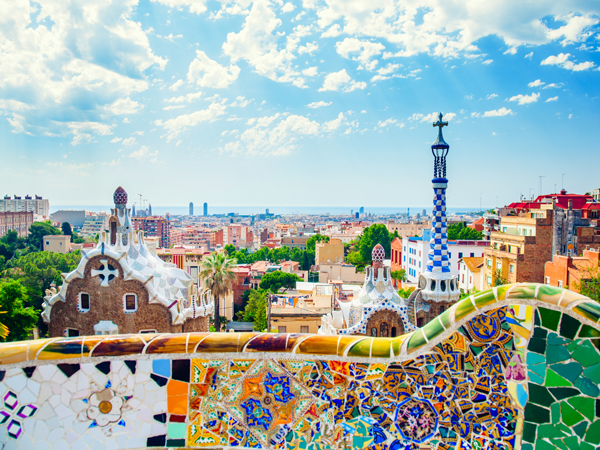
While open to the public for many years now, La Sagrada Família has never actually reached its intended, complete form. The build began in 1882 before emerging Spanish architect Antoni Gaudí took over in 1883, known for other Barcelona hotspots like Park Güell. He dedicated his life to its construction, laying the foundations for a project that would come to define his legacy.
But Gaudí, and many who succeeded him, would never see the final product – a series of compounding factors stretching its construction across more than a century. But now, the famous basilica’s intricate exterior is finally complete.
Why has it taken so long?
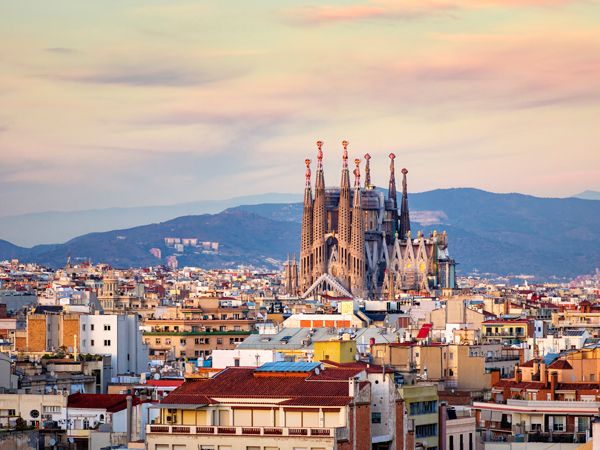
Initially, La Sagrada Família relied on private donations rather than funding from the state, so construction only moved when money allowed. But Antoni Gaudí’s unexpected death in 1926 halted everything, not only leaving the project without its guiding force, but also an incomplete design.
He deliberately left its blueprint unfinished, hoping that future generations would use their own creative freedom to complete La Sagrada, as well as potential new technologies and funding opportunities. The Spanish Civil War only compounded the challenge. His workshop was burned to the ground, destroying the detailed drawings and models Gaudí left behind for La Sagrada’s future architects.
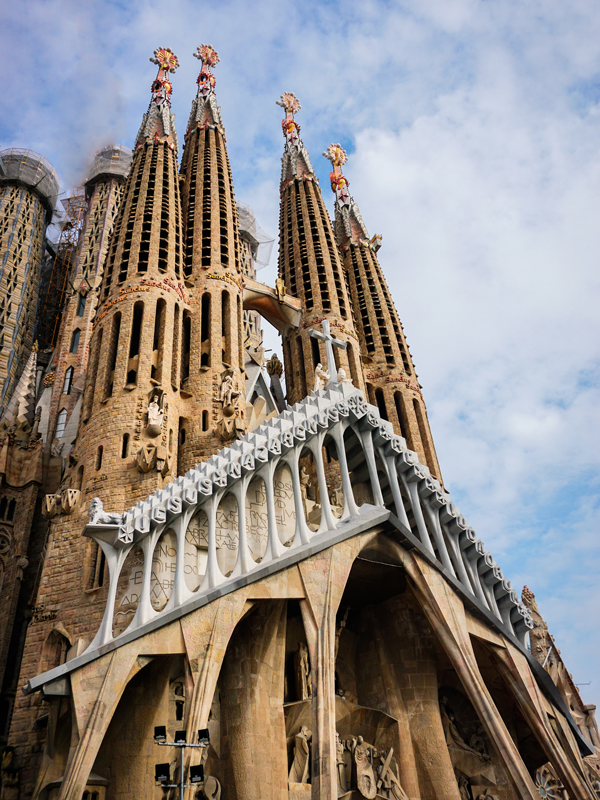
Builders had to reconstruct his ideas from fragments of photos and notes, a painstaking process that took decades. Even then, Gaudí’s innovative design techniques – using never-before-seen geometric forms inspired by nature – were near-impossible to calculate or build without the right technology. Furthering the delay even more was 2020’s COVID-19 pandemic.
In total, it has been 144 years since construction began. But in a remarkable twist of fate, La Sagrada Família officially reached structural completion in February 2026 – 100 years on from Antoni Gaudí’s death.
What’s left to finish?
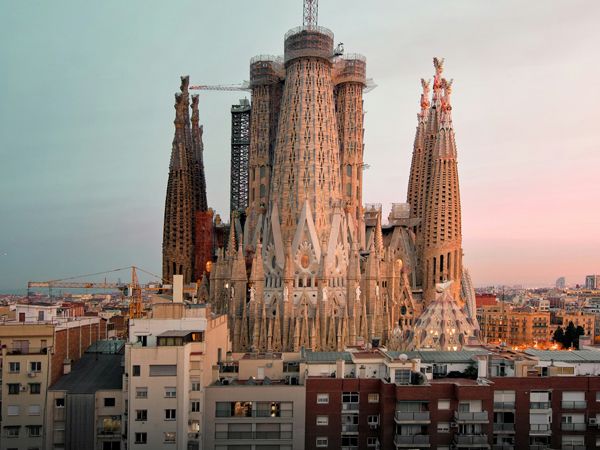
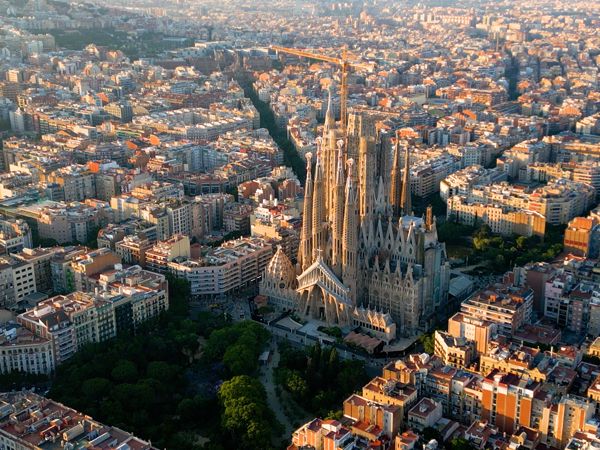
La Sagrada Família was designed to comprise three distinct facades (Nativity, Passion and Glory), 18 towers, a huge 12-point star, multiple complex hyperboloids and parabolic arches, vaulted ceilings, and up to 18 sculptures of biblical figures, from the 12 apostles and four evangelists to Jesus Christ and the Virgin Mary.
The Nativity facade was mostly completed by Gaudí himself, followed by post-war construction of the Passion facade between 1954 and 1976. In 2010, much of the church’s interior was completed and officially consecrated by Pope Benedict XVI. The 12-point star was completed in 2021, with two of four evangelist towers following in 2025 and the final two earlier this year.
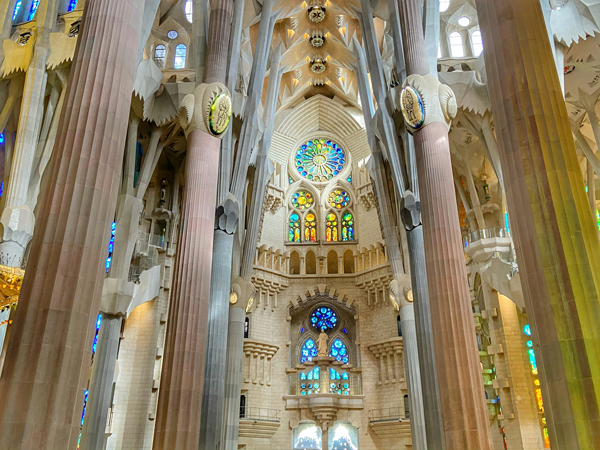
Many of these features and facilities are open to the public today. Visitors can explore a variety of chapels, attend Mass on Sunday, visit the onsite museum, marvel at stained-glass windows, meander through tree-like columns and even climb one of the church’s towers.
Yet for all its grandeur, the experience has long been shaped by the reality of an unfinished masterpiece. But as of 2026, that has changed, with the final phase of construction now over. The final tower, representing Jesus Christ, was placed on 20 February to complete the third and final facade, fittingly named Glory.
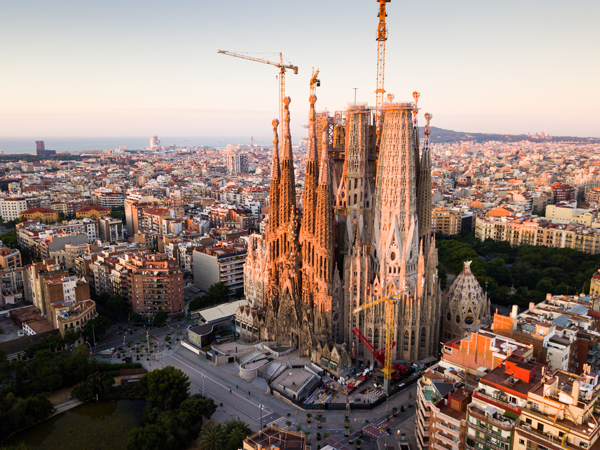
While the grand basilica’s exterior is now finished, it doesn’t mark the end of this centuries-long build – rather, the beginning of a new chapter. Work has shifted to La Sagrada’s interior, where decorative elements, artistic details, structural reinforcements and detailing within the towers remain in progress.
The addition of a stained-glass installation, a grand stairway, and a custom Lamb of God sculpture by Italian artist Andrea Mastrovito inside the upper arm of the central cross will follow. All interior assignments are projected to be completed by 2034, more than 150 years after the church initially broke ground.
Weekly travel news, experiences
insider tips, offers, and more.
Forgotten (but fascinating) facts
While the history of La Sagrada Família’s construction is enthralling, there are a few fascinating details about the church and its devoted creator that often go untold. Here are five of our favourite forgotten facts.
1. La Sagrada Família could’ve looked completely different. Antoni Gaudí was not the original architect; it was first under the leadership of diocesan designer Francisco de Paula del Villar, who left after technical disputes in 1882. Gaudí replaced him the following year and took the project in a different direction.
2. Gaudí’s death in 1926 was sudden and tragic. In a cruel coincidence, he was struck by a tram en route to the very church he was building and died from his injuries three days later – exactly a century before the project he devoted his life to would reach completion.
3. La Sagrada Família is actually Antoni Gaudí’s final resting place. He was buried in the crypt beneath his church, specifically in the Chapel of Our Lady of Mount Carmel, where guests can visit his tomb.
4. In 2016, authorities discovered that construction of La Sagrada Família began illegally. According to church records, Gaudí asked the Sant Martí de Provençals city council for a building permit in 1885 but never received an answer. A construction license was awarded in 2019, but it is set to expire in 2026.
5. Upon completion, La Sagrada Família will officially become the tallest church in the world. At 172 meters high, it surpasses the previous record holder, Ulm Minster in Germany, by 11 metres.
Want to see more stories from International Traveller in your Google search results?
- Click here to set International Traveller as a preferred source.
- Tick the box next to "International Traveller". That's it.