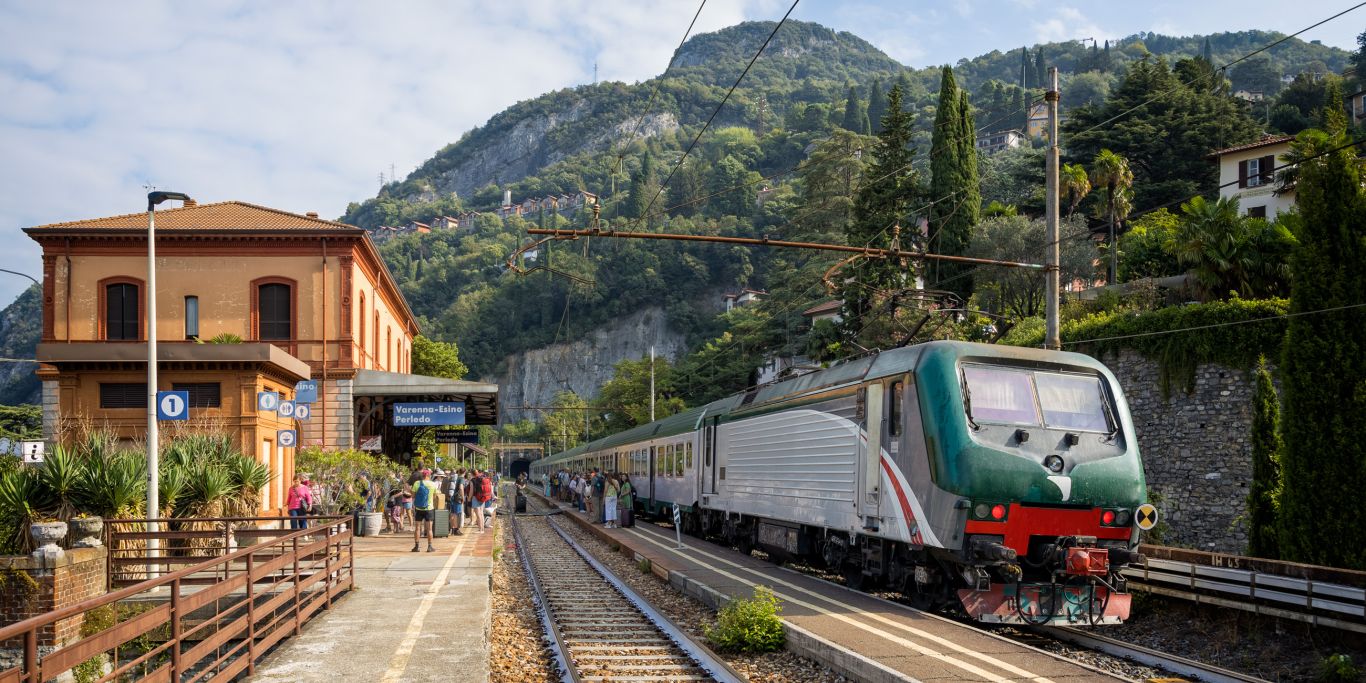

Rail, ferry and bus services are bracing for 24 hours of uncertainty.
Those travelling to Italy this month could face major travel disruptions, as a nationwide strike is set to impact public transport around the country. While the call-to-action includes multiple transport networks across different regions, a little preparation can help keep your plans on track.
What travellers need to know
Organised by the Confederazione Sindacale Lavoratori Europei (CLSE), Italy’s autonomous trade union confederation, the multi-sector strike will be held nationwide from Friday 25 September to Saturday 26 September. Hundreds of employees working across Italy’s rail, ferry and bus services are expected to walk out over the 24 hours.
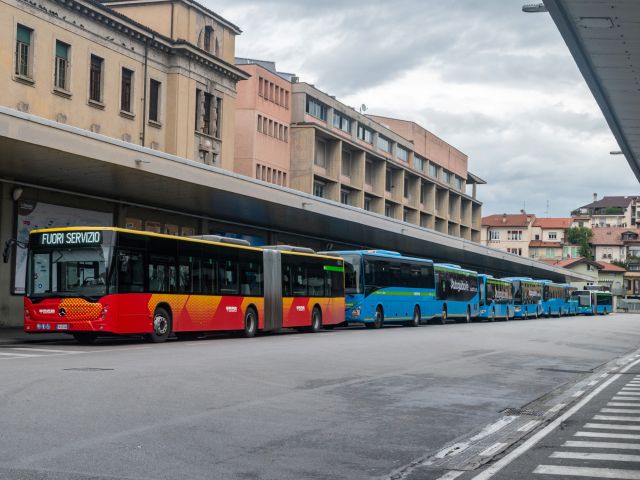
The strike is part of a broader campaign calling upon the Italian Government to address ongoing issues among public transport sectors, from inadequate wages and tax reforms to workplace safety and funding cuts.
While the movement may inconvenience travellers, it’s not without reason. Public transport workers continue to grapple with substandard salaries and high VATs (Value-Add Taxes) on essential goods, compounding the burden placed on working-class families by Italy’s cost-of-living crisis.
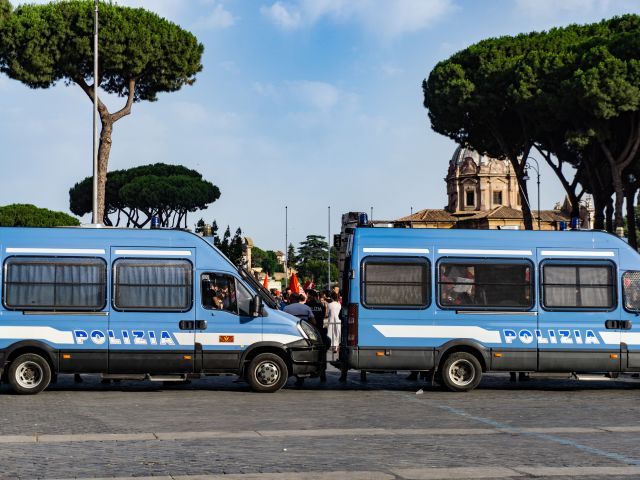
Amid an increased number of physical assaults from passengers, staff are also demanding stricter security controls and enhanced protection measures at railway, ferry and bus stations. The September strike marks the latest effort to bring these concerns to the government’s attention and advocate for reform.
When will public transport be affected?
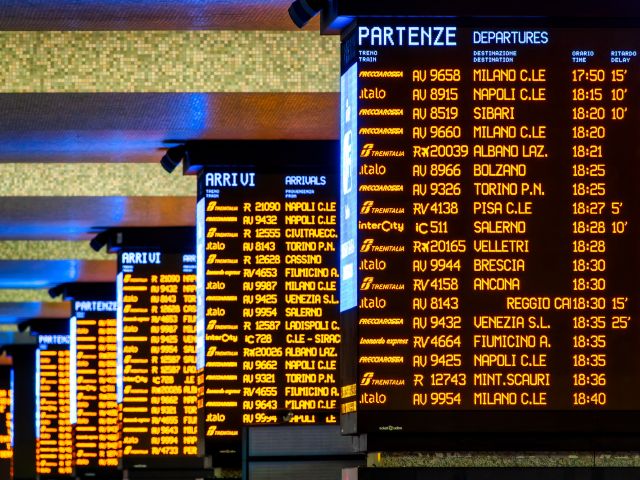
While employees plan to strike over a 24-hour period, walkouts will be staggered between certain sectors. According to Italy’s Ministry of Infrastructure and Transport, travellers should expect disruptions during the following periods:
- Rail services: 9pm on 25 September – 9pm on 26 September
- Maritime services: 9pm on 25 September – 9pm on 26 September
- Bus services: 8am – 9pm on 26 September
As strike action can be unpredictable, it’s important to remember that times may vary across different services and regions.
How to prepare for the strike
For Italy’s public workers, the strike is an opportunity to push for change and stand in solidarity. But for those relying on public transport, it may cause a headache or two.
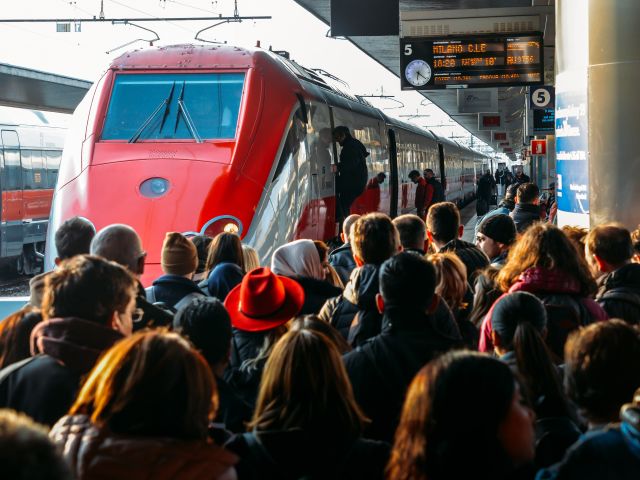
The good news? A little preparation can go a long way, and knowing where and when disruptions are likely to occur can help travellers plan ahead. Here’s how you can minimise disruptions and ensure your plans stay on track.
Firstly, keeping a flexible schedule is key. In Italy, the law states that commuter transit must run during mandatory peak windows (generally between 6am–9am and 6pm–9pm), so plan any essential travel during these hours. Leave a little wiggle room outside these windows in case delays arise.
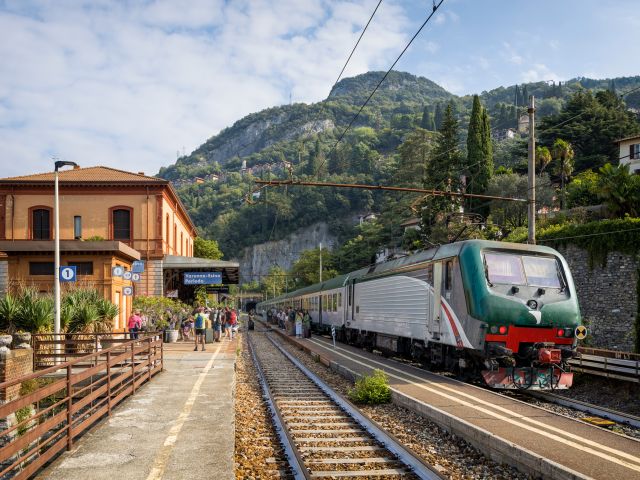
Downloading local transport apps like Trenitalia or Italo can also come in handy. These platforms provide real-time status updates across Italy’s rail network and can advise on delays and cancellations. Travellers can also access the Ministry of Infrastructure and Transport’s official strike portal for the latest information.
Be sure to arrange travel insurance ahead of your trip, too. While you are legally entitled to a full refund if your train is cancelled due to strike action, it may cause knock-on effects like missed flights or additional expenses. By securing travel insurance, you can protect yourself against some of these unexpected costs.
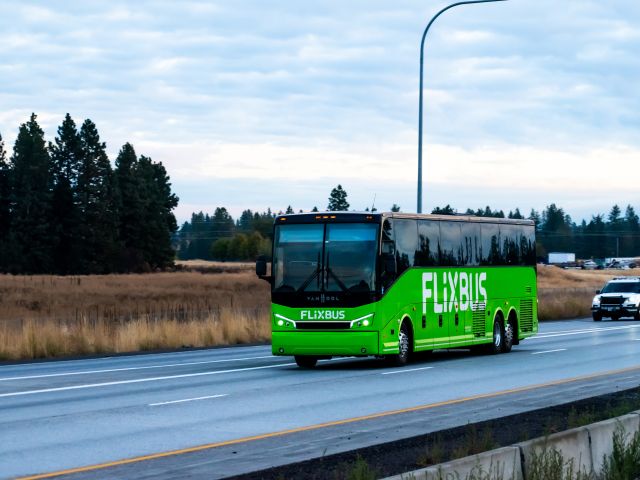
Or opt for alternative transport options and save yourself the hassle altogether. Private shuttle services like Flixbus are a great option for travellers on a budget, while major car rental companies such as Hertz, Europcar and Avis operate throughout the country.
However you choose to navigate Italy’s upcoming strike this September, it’s important to remember the reasons behind it. While industrial action can be inconvenient, it can also help real people create real change. A touch of patience and kindness can make the journey there a little easier on everyone.
Weekly travel news, experiences
insider tips, offers, and more.
Want to see more stories from International Traveller in your Google search results?
- Click here to set International Traveller as a preferred source.
- Tick the box next to "International Traveller". That's it.