
As a 2024 European Capital of Culture, the alpine Austrian region of Salzkammergut blends agrarian tradition and artisanal heritage with cutting-edge art that responds to the landscape.
Time can feel indeterminate in Salzkammergut. On one hand, there’s the ageless beauty of this Austrian region’s limestone mountains, cobalt lakes and timber A-frame houses fronted by window boxes resplendent with flowers.
On the other, there’s Christoph Viscorsum, contemporary artist and alpinist, fixing me with a clear blue gaze as he describes how the new audio compilation he’s created as a soundtrack to this landscape could change my life.
“How do you take this experience with you and not lose it?" he asks, gesturing to the geological drama before us: a vista of alpine pastures, conifer-studded slopes, threadbare mountain peaks and broad valleys, hazy with afternoon sun. “How do you return to society?"
The Great Space Walk
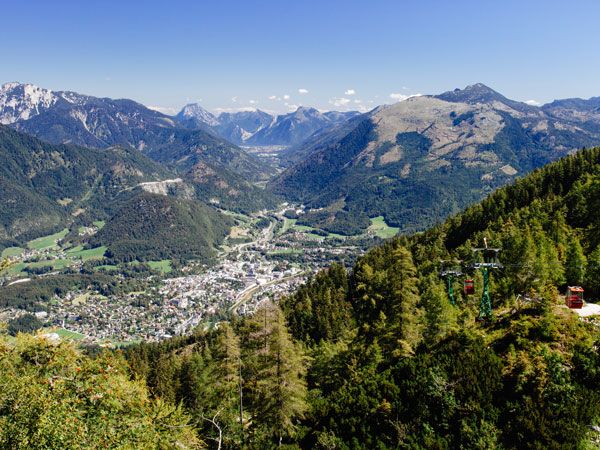
Viscorsum, who once spent three days and nights perched atop poles in central Vienna for a piece of performance art, is standing on the Katrin alp, 1400 metres above the spa town of Bad Ischl, explaining the concept behind the Great Space Walk – part of the program for Bad Ischl Salzkammergut’s designation as one of the European Capitals of Culture 2024.
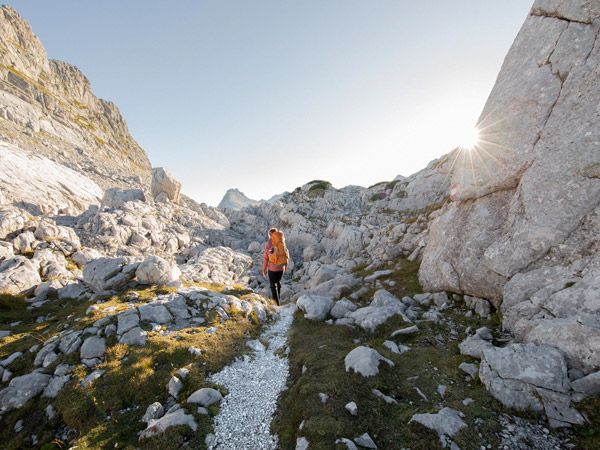
“I always wanted to fast in a desert," he says. “I didn’t have the balls to go to the Sahara because I thought if anything happens, I’ll probably die there. And then I found out that we have a desert ourselves, up here in the Totes Gebirge. Not even the locals know that they have such a unique place – a place where you can walk for six continuous days and you don’t see a road."
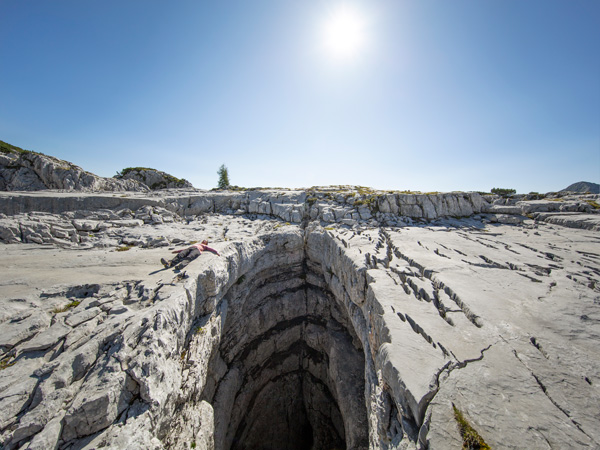
Viscorsum’s idea was to fuse his artistic talents with his love of the outdoors. And to create a soundtrack to a physical, intellectual and spiritual guided tour. He hoped to help travellers to Salzkammergut connect with nature and themselves through a piece of audio they could come back to. Put more superficially: he wanted to help people hold onto that holiday feeling.
Designed to be played out over seven days, the Great Space Walk guides travellers from Bad Ischl’s historic Parish Church of St Nicholas, and ultimately up into the desiccated, isolated karst landscape of the Totes Gebirge, or ‘Dead Mountains’, for a hut-to-hut hike. Along the route, listeners are prompted at specific waypoints to immerse themselves in a sequence of recordings with people in the spheres of everything from arts and agriculture to Buddhism and bioengineering.
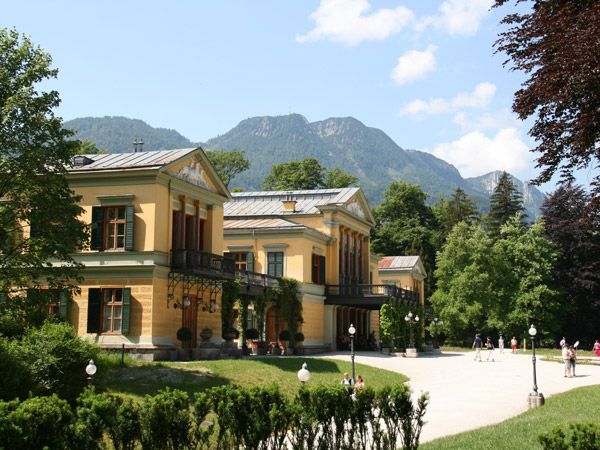
What Emperor Franz Joseph would have thought of lone hikers sitting on rocky outcrops with headphones on, staring out thoughtfully over his favourite holiday playground, is anybody’s guess. But judging by the volume of hunting trophies in his 19th-century Kaiservilla in Bad Ischl, he was a man as likely to take a pot shot at nature as much as try to figure out humanity’s place in it.
Bad Ischl
Nevertheless, Salzkammergut, a lake-rich, inner-alpine region that includes the states of Salzburg, Styria and Upper Austria, is currently a hive of intellectual curiosity, innovation and activity. One of three European Cultural Capitals in 2024 – the others being Bodø in Norway and Tartu, Estonia – Salzkammergut is this year drawing together 23 agrarian communities that are collectively contributing to a program of events around four themes: Power and Tradition; Culture in Motion; Sharing Salzkammergut: The Art of Travelling; and Globalokal: Building the New.
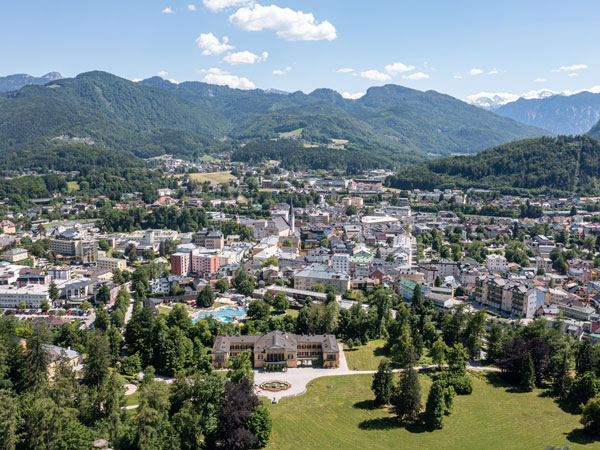
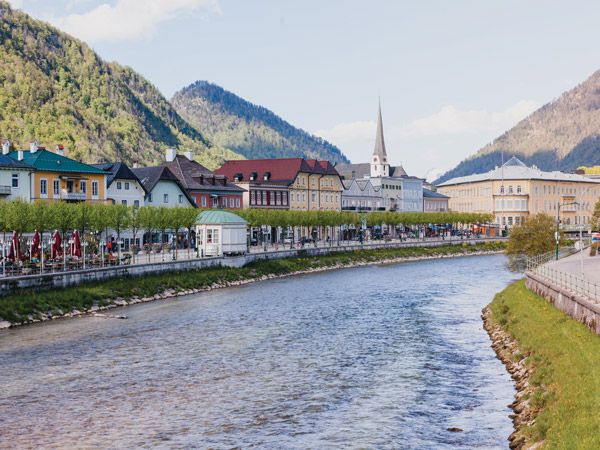
At the heart of the action is Bad Ischl, which straddles the River Traun that cuts a shallow, amiable path through town. Bad Ischl is a place of orderly streets and elegant architecture that hint at its royal heritage. This was where the Habsburg aristocracy, most notably Franz Joseph and his beautiful, enigmatic wife, the Empress Elizabeth, nicknamed Sisi, came to hunt and hang out away from the 19th-century Viennese court.
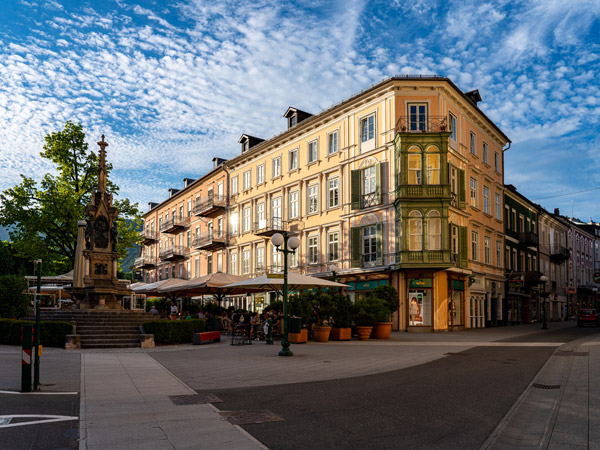
It still has refined vibes, with operetta, brass bands and music festivals from June through August, and green spaces everywhere – 35,000 flowers go into its garden beds each year. There are heritage cafes serving schnitzel and kardinalschnitte (a layered meringue-based dessert) plump with vanilla cream, and genteel boutiques where you’re as likely to find locals shopping for a Tyrolean hat as a packet of seasoning sourced from the surrounding hills.
Worth its salt
‘Culture is the new salt’ is the slogan for Salzkammergut’s Capital of Culture status, referring to the substance that has been extracted from the mountains here for 7000 years and which fuelled Bad Ischl’s prosperity. Salzkammergut, roughly translated as ‘salt domain’, is home to both the Hallstatt salt mine, which gives its name to the archaeological epoch of the late Bronze Age to the early Iron Age, and the Salzwelten Altaussee (Altaussee Salt Mine), where the Nazis stashed tens of thousands of looted, priceless artworks in the closing stages of the Second World War.
Despite all the venerable history, Bad Ischl today is home to 900 private enterprises – a significant proportion for a town with a population of 14,000. Among those with an entrepreneurial spirit is 38-year-old chef Christoph ‘Krauli’ Held, who has brought youthful energy and a community focus to Siriuskogl restaurant since 2008. In doing so, Held turned around the fortunes of this hilltop inn, which is set below a watchtower built by Franz Joseph.
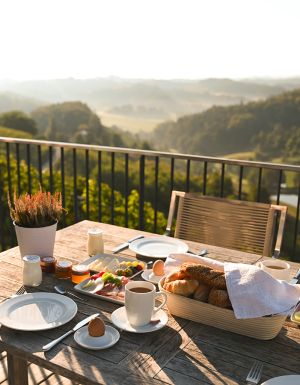
It’s a stiff 600-metre climb from town to reach it on foot, but a schlep rewarded with unrivalled views over the area, pretty terrace dining and contemporary dishes strong on locality, seasonality and vegetarian options. This year, Held is turning over the running of his kitchen to his students and using his clout to get behind Tavern Lab, part of a Capital of Culture program that intends to give Austria’s ailing traditional inns a much-needed boost.
Crafting culture
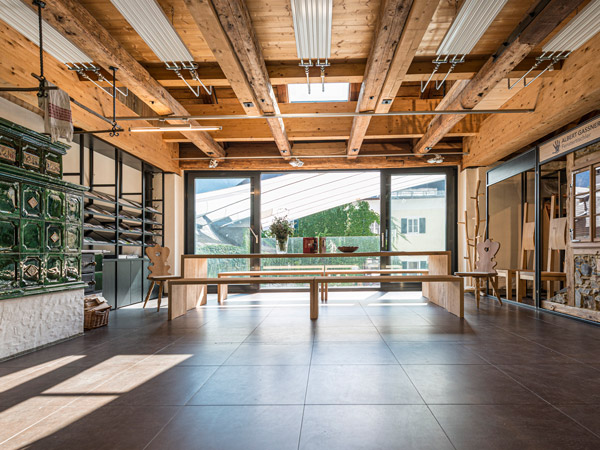
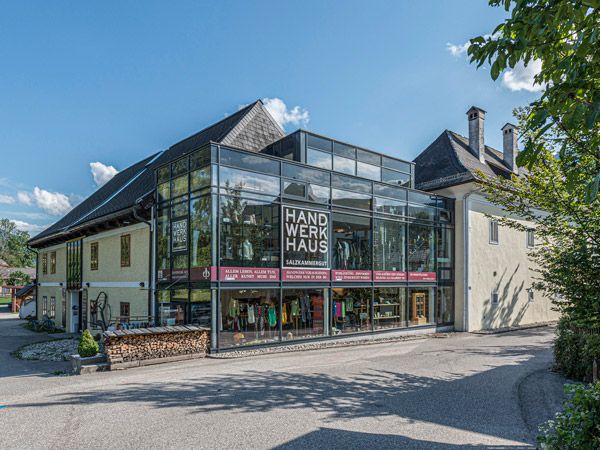
In the neighbouring town of Bad Goisern, craft hub Hand.Werk.Haus is also aiming to capitalise on 2024, hosting events with local and international artisans and artists throughout the year, under the banner of SCALA (Salzkammergut Craft Art Lab).
Based in a former forestry building, restored in 2000 with federal funds, Hand.Werk.Haus is a smart facility comprising exhibition and workshop spaces, and founded, says communications manager and trained historian Barbara Kern, “as a way to combat the challenges for crafts-based industries wrought by globalisation".
It was the arrival of the well-heeled to 19th-century Salzkammergut that established the region’s rich artisanal heritage. With their non-functional needs – for fashionable clothing, printed materials, hunting equipment and the like – they encouraged the flourishing of a new kind of craftsmanship.
True to tradition, Hand.Werk.Haus’s 32 members include bookbinders, watchmakers and shoemakers – but also coffee roasters, mustard makers, roofers and photographers. Because more than anything, Kern explains, “we want to make craftsmanship visible, to carry it on into the future".
Perhaps nothing highlights how enmeshed Salzkammergut’s cultural traditions are with its present than the resurgence of tracht, or traditional dress. You see dirndls and lederhosen worn everywhere, by all generations and without irony.
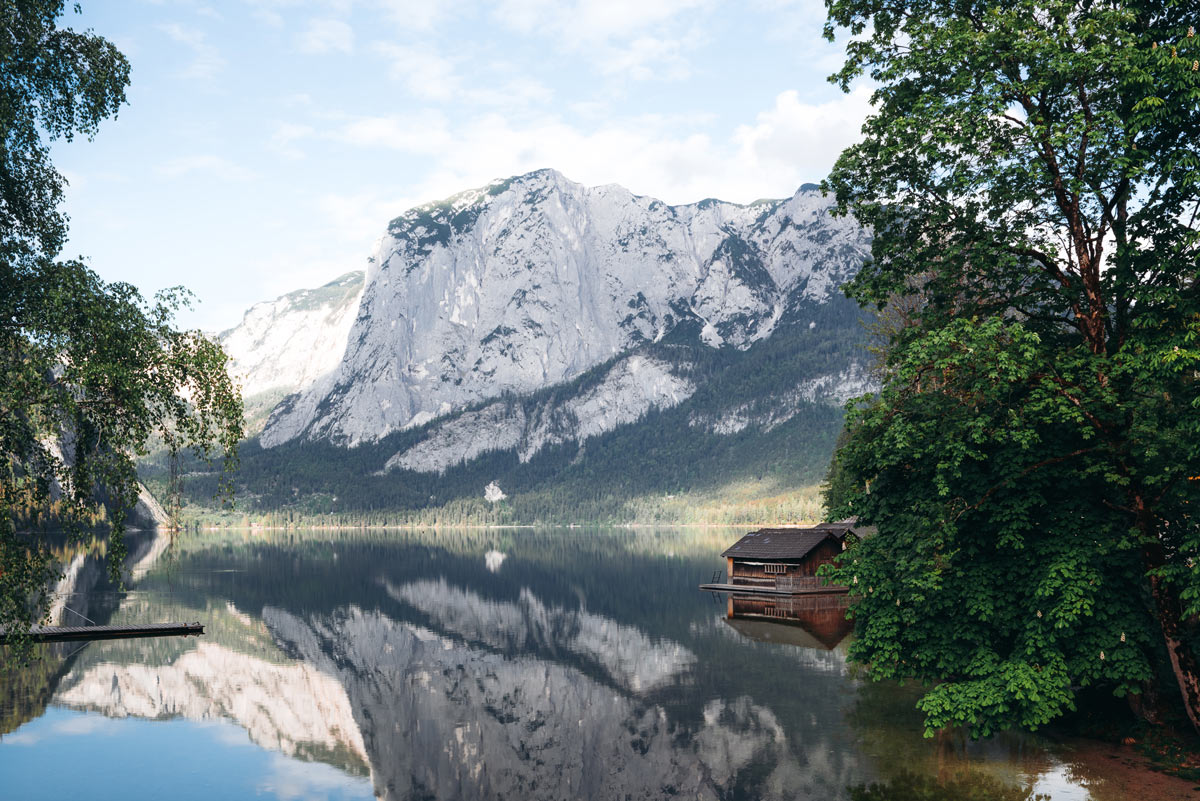
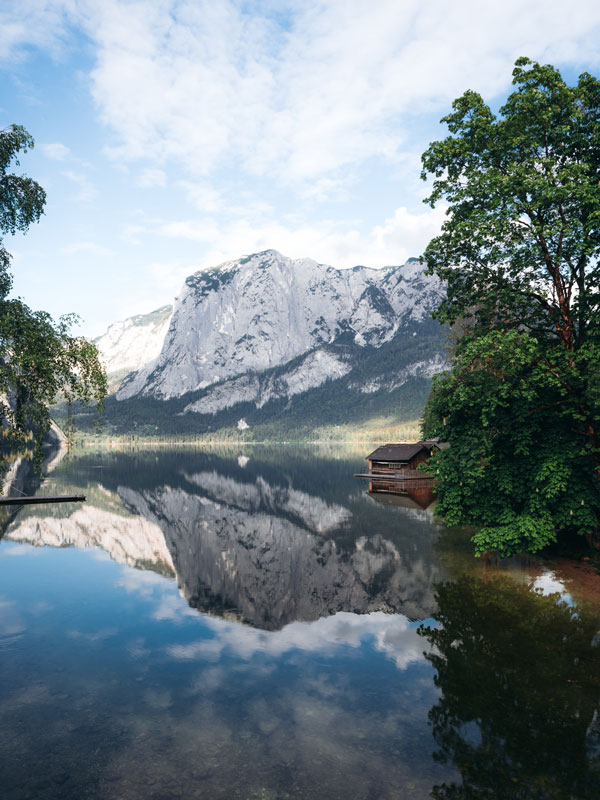
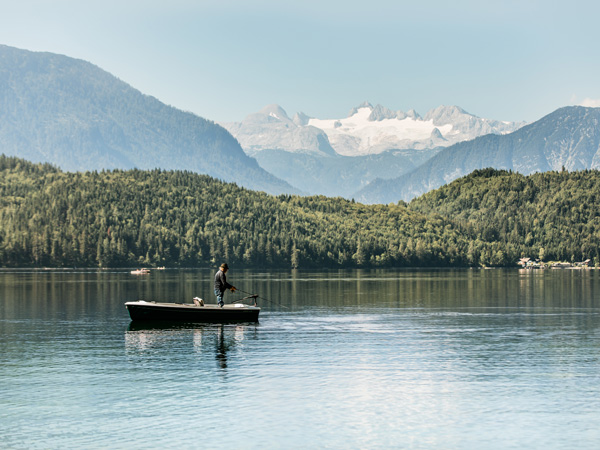
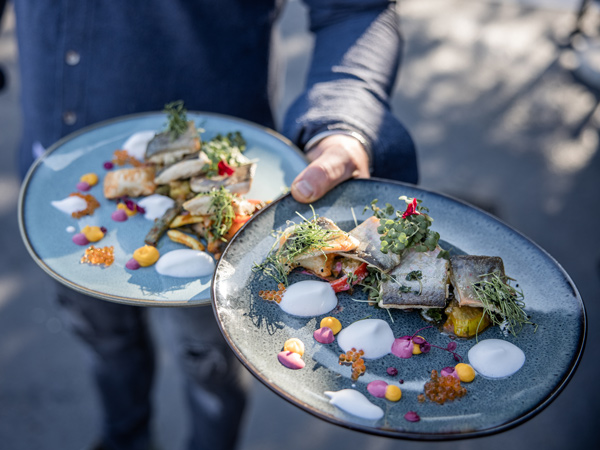
During a lunch stop at Lake Altaussee, I pause over a forkload of baked char – the alpine fish endemic to this region – and yellow, waxy potatoes, a tankard of white wine spritz at my elbow. It’s been a spectacular morning, starting with a sunny walk around the edge of the lake known as ‘the Styrian inkpot’ for having inspired some of Austria’s most famous writers. My morning walk is followed by a swim in the lake’s glassy waters, bleeding blue and green reflections of the surrounding peaks, and now this incredible lunch.
Through the restaurant’s timber-framed window, I see a group of 20 or so hikers filing past, clad exclusively in dirndls and lederhosen. If I squint, I could be persuaded that I’ve fallen into another era. Just as the thought forms, my iPhone blinks to life.
Weekly travel news, experiences
insider tips, offers, and more.
A traveller’s checklist
Getting there
An hour’s drive away, Salzburg is the closest international airport to Bad Ischl, which is also well connected by train to all major Austrian hubs. The best way to explore the Salzkammergut region is by car.
Staying there
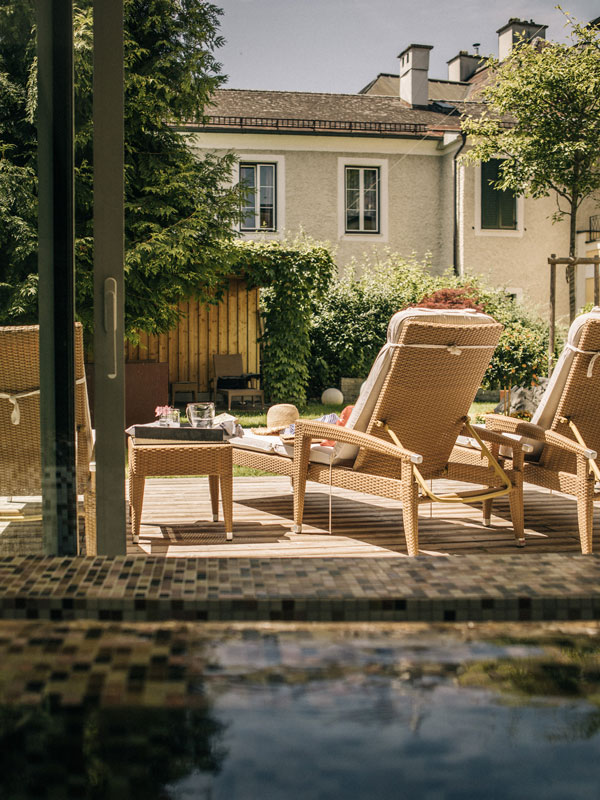
Bad Ischl’s historic Hotel Goldener Ochs has a smart spa and wellness offering, a small but sophisticated bar, up-to-date dining and rooms that blend contemporary design with the property’s 230 years of heritage. Bonus points for being smack-bang on the River Traun.
Eating there
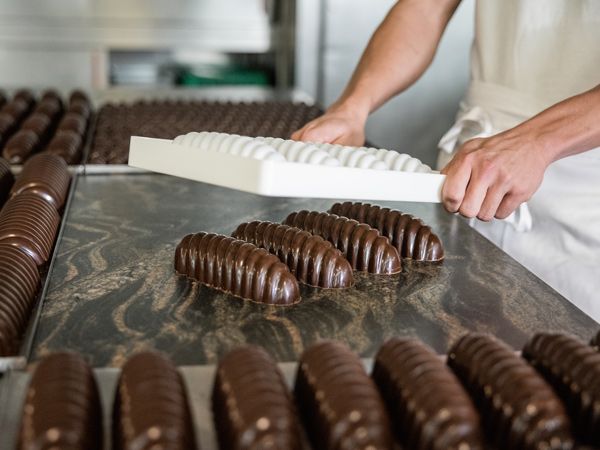
Choose Bad Ischl’s elegant Cafe Konditorei Zauner for Austrian classics, enjoyed here since the imperial heyday.
Catch unrivalled sunsets over modern, seasonal dishes at Siriuskogl, overlooking town.
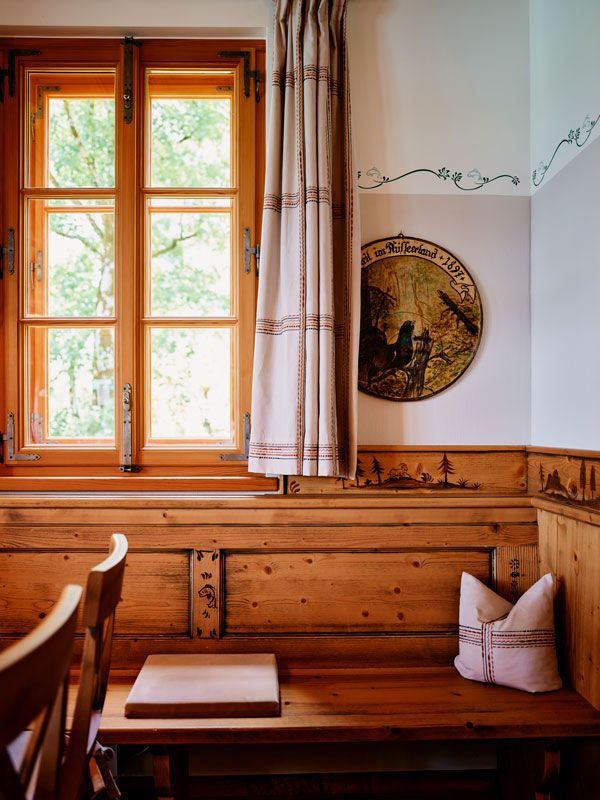
At Lake Altaussee, you’ll find hyperlocal fish, meat and game, plus the likes of nettle soup, at Restaurant Seewiese.
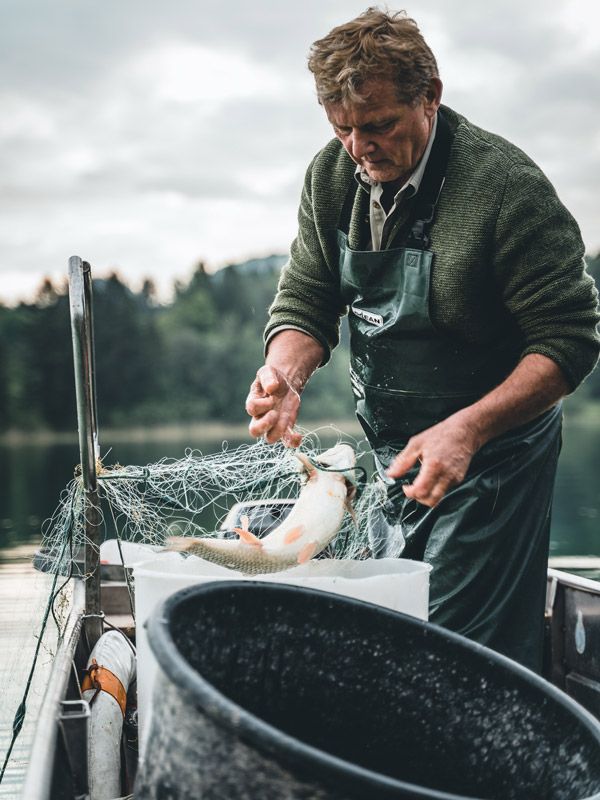
You can’t leave the region without eating char, a cross between salmon and trout and a Salzkammergut staple. None prepare and smoke it better than Castle Fishery, run by Gerhard and Gisela Langmaier on Lake Fuschl.
Find out more about the region.
Want to see more stories from International Traveller in your Google search results?
- Click here to set International Traveller as a preferred source.
- Tick the box next to "International Traveller". That's it.