hero media

How the Golden Triangle has transformed into a sustainability hub

The once infamous Golden Triangle – the confluence of Thailand, Myanmar and Laos – is moving towards a sustainable future. And here’s how you can visit this intoxicating southeast Asian corner with a conscience.

Traffic moves slowly in the Thai jungle. I’m in a jeep trailing 62-year-old Puang Phet, unflustered as she slowly sways up a road carved into swathes of bamboo. I smile as she playfully knocks down errant branches with her muscular trunk. Here at the illustrious Four Seasons Tented Camp, there’s a clear sense of the hard-won peace that was once missing from the top of Thailand.

The Golden Triangle, where the mighty Mekong River threads through the borders of Thailand, Myanmar and Laos, was historically the world’s heart of opium and heroin production. What’s now a verdant bed of sustainable agriculture and harmonious living once withered as a war zone of denuded hillsides, hungry drug lords and copious collateral damage.

Since the royal family began campaigning in the area in the early 1970s, the ethnic Hill Tribes of the Golden Triangle, who drove the devastating process of opium cultivation, moved towards a greener future for both themselves and their countries by swapping illegal drugs for caffeine, tea and other cash crops. Looking over the majestic slopes as I drive between the border town of Mae Sai and the Four Seasons, it’s hard for me to imagine that the drug trade once decimated this worldly intersection.

Growing pains

Princess Srinagarindra held a deep fascination with the mountainous jungles of the Golden Triangle. In 1969, she started the Thai Hill Crafts Foundation to encourage locals in the region to pursue hobbies instead of narcotics. At age 87, the Princess Mother took these initiatives further by creating the successful Doi Tung Development Project.
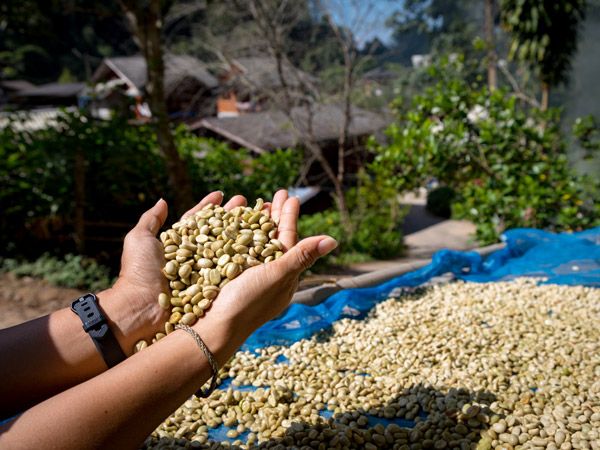
a handful of dried grains at Mae Kampong village in Chiang Mai Province
Sustainable agriculture has largely replaced the illegal drug trade. (Image: Tourism Authority of Thailand)

Since 1988, this intensive effort to curb the drug trade helped establish rehabilitation services and educational programs and push locals towards sustainable farming. Everywhere I look, the Golden Triangle’s steep hills are now covered in crops and flowers. I climb to the highest deck of Swon Khun Pu Life Museum Cafe, where guests sit on the edge while they sip fruit smoothies and enjoy traditional Lanna cuisine, feet swaying in the air.
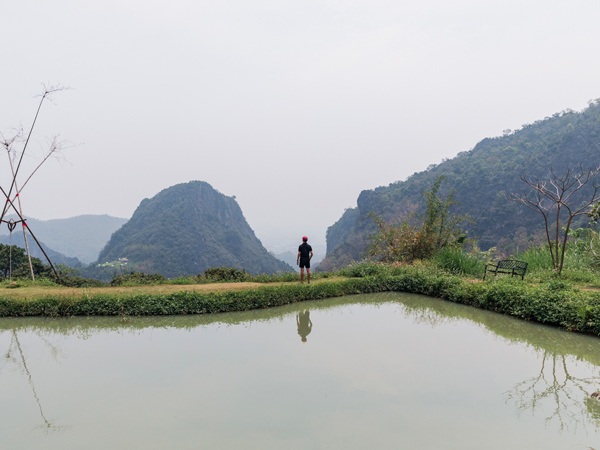
a man standing at the top of Chiang Rai-Suan Khun Pu Life Museum Cafe
Reach the top of the Life Museum Cafe. (Image: Tourism Authority of Thailand)

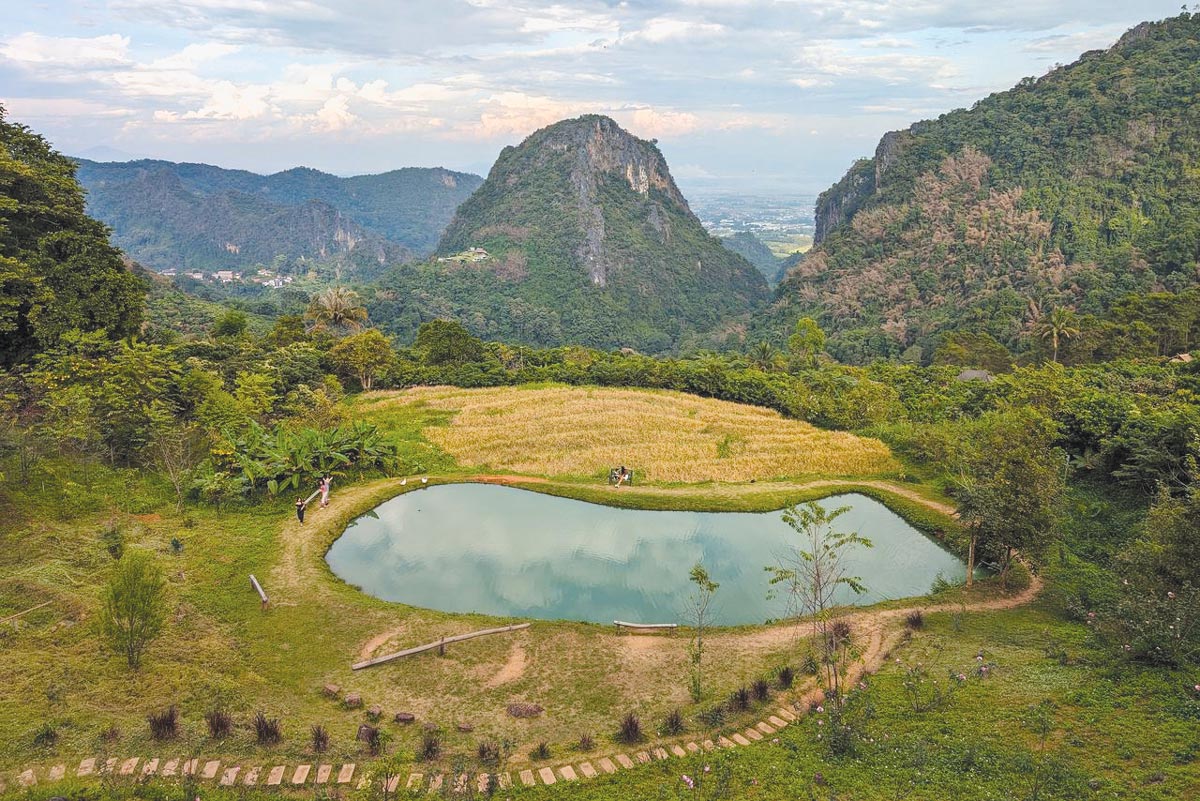
The major appeal of this surprising establishment is the surreal view of these productive hills framing a picturesque pond. I slurp another round of thick khao soi noodles before imagining what kind of unfettered brilliance an artist like Claude Monet could have pulled out of this unforgettable scene. It would be a masterpiece.
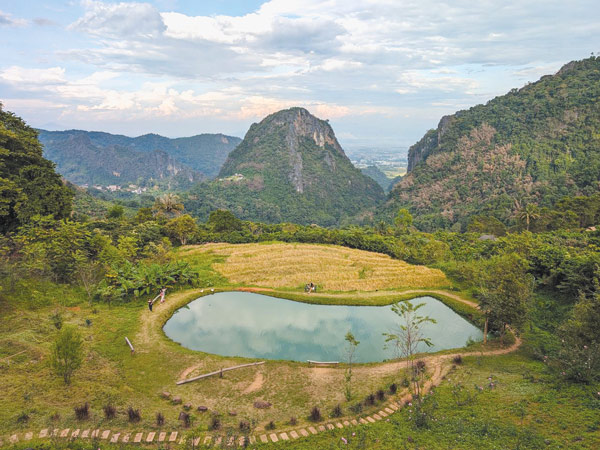
picturesque views from Swon Khun Pu Life Museum
Take in picturesque views from Swon Khun Pu Life Museum Cafe. (Image: Chris Singh)

Gentle giants

Humans aren’t the only ones benefiting from the tranquillity that sustainable farming maintains throughout the region. The Golden Triangle Asian Elephant Foundation (GTAEF) works closely with Four Seasons Tented Camp to rescue and rehabilitate elephants from the dangerous conditions they endure in other parts of the country.
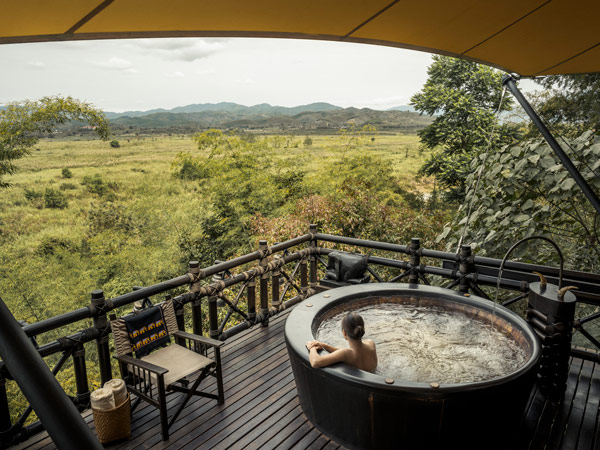
a woman taking a dip in a traditional tub at the Four Seasons TentedCamp
Bathe in pure bliss at the Four Seasons Tented Camp.

Ethical encounters with elephants are a murky topic in Southeast Asia, and I’m told Northern Thailand is the best place for this increasingly hands-off tourism initiative. While I’m spending a few nights at Four Seasons Tented Camp, I walk alongside the elephants that roam the property.
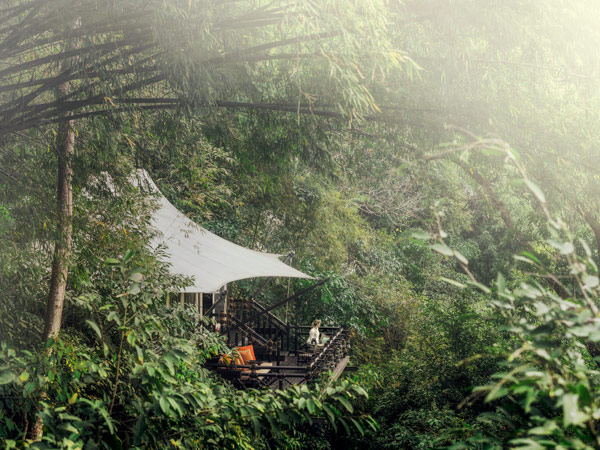
one of the tents nestled within a bamboo jungle at the Four Seasons Tented Camp
The camp is nestled in the lush mountainside and bamboo jungle.

Beyond feeding some and helping to lightly hose others down, I simply observe as they stomp around their natural habitat. Elephants play a key role in creating and maintaining forests, so their protection is as essential to Thailand’s future as coffee, fruit and vegetables.
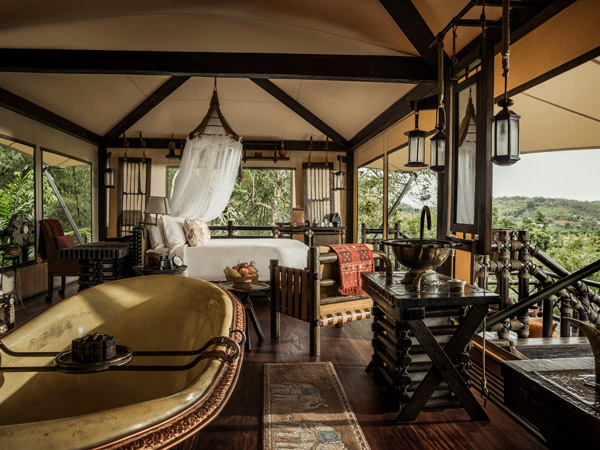
one of the luxe tents at Four Seasons Tented Camp
Settle into one of the luxe tents.

One community

There are seven major Hill Tribes in Thailand and some are represented at Mae Sai market alongside other sellers from Thailand and Myanmar. While on the surface, this sprawling collection of stalls and vendors may seem like a typical Southeast Asian market, it’s a chaotic symbol of the communion resulting from the switch to sustainable farming practices.

I walk around to the familiar sights of knock-off designer bags, slogan tees and jewellery, as well as a few surprises such as decorative opium pipes. The smell of wet fish and fruit is pungent. But knowing that these people who live in different countries regularly converge to sell and trade their goods reiterates the human benefit of moving towards a more sustainable future in controversial regions such as this. You can’t have prosperity without peace.
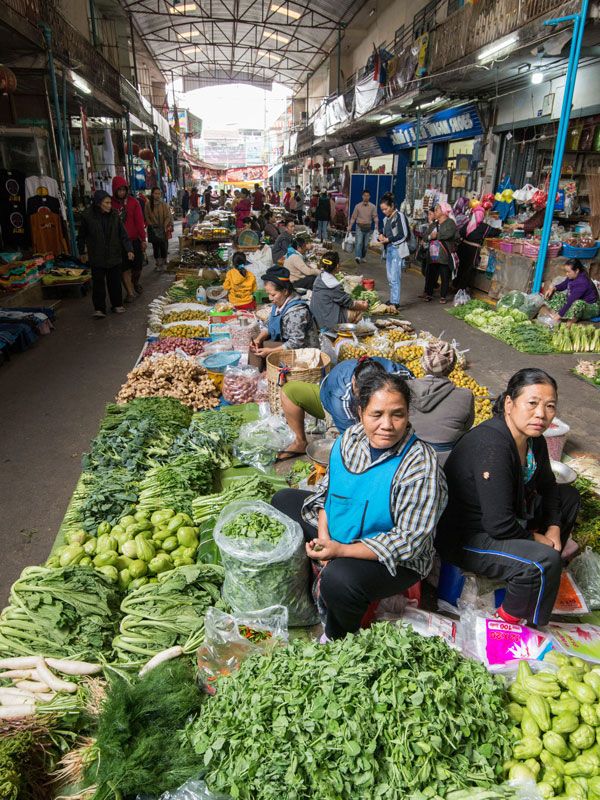
vendors of veggies at Mae Sai market
Buy fresh veggies at Mae Sai market. (Image: Amnat/Alamy)

Weekly travel news, experiences
insider tips, offers,
and more.

Rumble in the jungle

Designed by Bill Bensley, Four Seasons Tented Camp Golden Triangle is a sprawl of 15 luxury safari tents along the Ruak River, which peels off from the Mekong and cuts through the borders of Thailand and Myanmar.
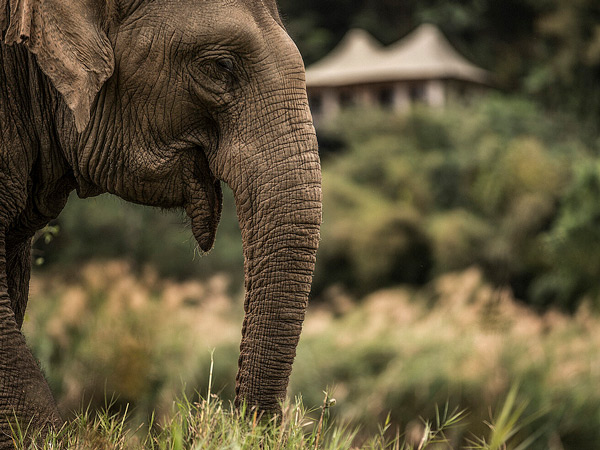
a close-up shot of an elephant at Four Seasons Tented Camp
Rehabilitated elephants roam the property. (Image: Four Seasons Tented Camp)

Guests walk with elephants, soak in a jungle spa, relax with massages scored by birdsong, enjoy food and drink representing all three bordering countries, and end the day at the rustic Burma Bar while watching the sun set over Myanmar.
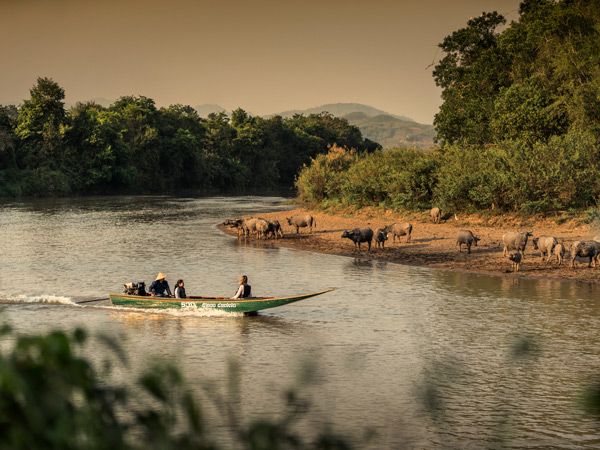
cruising along the Ruak River
Go cruising on the Ruak River.

Meet the farmers

Located in nearby Chiang Mai, Ori9in Gourmet Farm is run by Michelin-trained chef James Noble and supplies many of Thailand’s top restaurants and luxury hotels with fresh produce. Between October and March, Noble opens a ‘waiting for May’ picnic concept where you can tour the farm, learn about regenerative agriculture and enjoy a field-to-fork feast. Noble also runs farm rental spaces that locals can use to grow specific ingredients and test products via a network of more than 15 local Michelin-star chefs.

Learning from the past

The Golden Triangle’s history echoes the importance of education as the first step to a sustainable future. The Hall of Opium Museum is a one-of-a-kind collection of this region’s complicated history and details the Doi Tung Development Project that helped lessen the burden of illicit farming.

Want to see more stories from International Traveller in your Google search results?

  1. Click here to set International Traveller as a preferred source.
  2. Tick the box next to "International Traveller". That's it.
Chris Singh
Chris Singh is an arts, travel and food journalist with 17 years of experience in digital media and 4 years of experience in SEO writing. He is the former travel editor of premium men's lifestyle title Boss Hunting and currently balances his role as Deputy Editor-At-Large of the AU review with freelance travel writing gigs at Australian Traveller, Luxury Escapes, Cruise & Travel and Sydney Travel Guide. Chris holds a Bachelor of Arts & Sciences (Sociology and Psychology) from the University of Sydney and once worked as a line dancer for steakhouse chain Lone Star (no, seriously). He's always got his finger on the pulse for good live music and delicious new restaurants, has a particular love of historic hotels and is starting to see the restorative value of the ever-present wellness industry. Although he is a born-and-bred Sydneysider, his favourite Australian cities are Hobart and Adelaide. Internationally, he can never get enough of big cities like Tokyo, New York and Chicago. If you're looking for him, he's either at a concert, on a plane or behind a laptop.
View profile and articles
hero media

5 things every hotel needs for a more restorative stay

    Kate Bettes Kate Bettes
    Wellbeing means different things to different travellers. Here’s how to pick a hotel that gets it right for you.

    The best wellness holidays aren’t necessarily spent wrapped in a spa robe. Sometimes they’re found around a dinner table in Cambodia, on a hiking trail in New Zealand or after finally beating jet lag on the other side of the world. The hotel you choose is what makes them happen.

    1. Easy access to good food

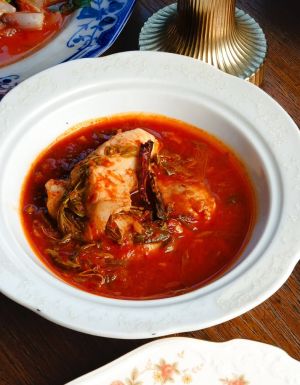
    meals from Novotel Bangkok Sukhumvit 20
    Taste delicious meals at Novotel Bangkok Sukhumvit 20.

    One of the quickest ways to derail healthy habits on holiday is to spend half of it working out where to eat instead of digging into the culture around you. Thankfully, Novotel has done much of the hard work already, with chefs building menus that lean into the flavours, ingredients and traditions of each destination.

    In Sihanoukville, Cambodia, Korkor soup – often dubbed ‘Cambodian ratatouille’ – sits alongside raw blue crab dressed with lime and chilli, best enjoyed with views across the Gulf of Thailand.

    In the lovingly chaotic city of Bangkok, the presence of food cranks up the sociability. At Novotel Bangkok Sukhumvit 20, you can settle in with mango sticky rice and stranger-turned-friends beside the pool at Sky on 20 rooftop bar, or bring them along to tackle river prawns and stir-fried crab with holy basil at the buzzing Crab Paradise Dinner Buffet.

    Then Novotel Dubai Al Barsha welcomes you with a laidback twist on the level of indulgence the Middle Eastern city is best known for up on Deck Se7en. Looking towards Burj Al Arab, the rooftop lounge has everything from Mediterranean-style dishes like seabass ceviche to Italian prosecco sundowners.

    At the other end of the scale, in the hills that surround the Novotel Bali Ubud Resort, calm comes from nature. At Siralada restaurant, Balinese traditions shape the menu while thunder rumbles over the surrounding jungle – proving the setting is as nourishing as the food itself.

    While at Novotel Nha Trang, chef Kieu Thi My Hanh and her team showcase Vietnam’s knack for balancing freshness, texture and fragrant herbs. Pho remains a favourite, while seafood salad with pomelo and mango brings those flavours together in one bright dish.

    It’s all an approach backed by partnerships with expert food creators such as Alfie Steiner, whose plant-forward recipes prove healthy food should never taste plain.

    2. Better sleep options

    Novotel Bali Ubud Resort room
    Sleep deeply with Novotel.

    There are few travel experiences more disappointing than arriving in a new country, determined to seize the day, only to fall asleep fully clothed by 3pm.

    For Australian travellers, jet lag is often an unavoidable part of the journey. That’s one reason Novotel runs sleep-focused initiatives that help guests adjust quickly without compromising on health. We’re talking partnerships with Sydney-based sleep specialist Olivia Arezzolo, known for her advice on everything from better sleep habits to beating jet lag, alongside features like pillow menus, in-room yoga content and tailored sleep guidance.

    The sooner you’re operating on local time, the sooner you can get back to more pressing matters – like deciding which spa treatment to book.

    3. More ways to move

    woman hiking around queenstown new zealand
    Stay at Novotel Queenstown Lakeside and explore local hiking trails. (Credit: GettyI mages/ naruedom)

    Every place in the world has its own way of getting you moving: whether that’s hiking up ice-bitten mountains before a sauna or gentle stretching by the pool before a facial. From fitness centres to spas, Novotel recognises that wellbeing rarely looks the same.

    At Novotel Queenstown Lakeside, activity is inescapable. Here, hiking trails, ski fields, bungee jumps, and white-water rafting have made the region famous. The hotel’s location on the shores of Lake Wakatipu means less time spent organising yourself and more time out there experiencing them. To top it all off, you can book a private hot tub for the evening before heading back into the wilderness tomorrow.

    Bali, of course, takes a softer approach. At Novotel Bali Ubud Resort or Novotel Bali Nusa Dua, movement is less about conquering a mountain and more about a dance class between the tropical gardens and lagoon pools. Afterwards, the spa takes over, with traditional treatments like a Lulur body scrub: a combination of rice, turmeric, sandalwood, ginger and jasmine that’ll soothe muscles already relaxed by the Balinese heat.

    4. Better connections

    Novotel Sharm El Sheikh
    Kids will love a stay at Novotel Sharm El Sheikh.

    One of the best things about travel is that it gives your family stories you’ll be telling for years. Novotel helps create them with activities that bring everyone together, whether that’s trying something new, learning a local skill, or simply spending more time together.

    Go for a distinctly Thai twist at Novotel Phuket Vintage Park, where many of the family activities draw on local culture. Kids can try everything from beginner Thai boxing and language lessons to umbrella painting and – a pastime beloved by children the world over – pool foam parties. Everyone is welcome to join in, whether that’s getting splashed, covered in paint, or simply watching their children discover a new side of Thailand during the dedicated Family & Kids Day.

    A different adventure awaits at Novotel Sharm El Sheikh. Kids could be perfectly content with discos, drawing classes and new holiday friends, but the Red Sea has other ideas. Sitting on the edge of Naama Bay, days here might involve snorkelling colourful reefs, taking a boat trip to Ras Mohammed National Park or heading into the desert by quad bike or camel for a Bedouin-style dinner beneath the stars.

    5. Location is everything

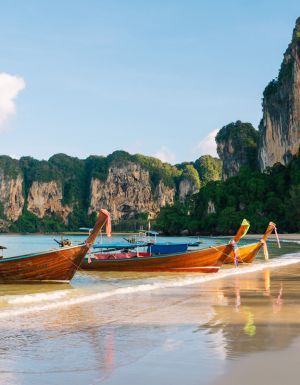
    Surin Beach, Choeng Thale, Thalang District, Phuket, Thaiföld
    Explore Phuket’s gorgeous beaches. (Credit: Bence Biczo)

    Everyone’s idea of wellness looks a little different. With more than 600 hotels across 65 countries, Novotel gives guests the freedom to choose the destination that suits them best. Whether that’s a beachside escape in Phuket, an alpine expedition in Queenstown or a city break in Bangkok, there’s a good chance a Novotel isn’t far away.

    All that’s left? Choosing your version of wellbeing.

    Discover stays to inspire your everyday at novotel.accor.com.