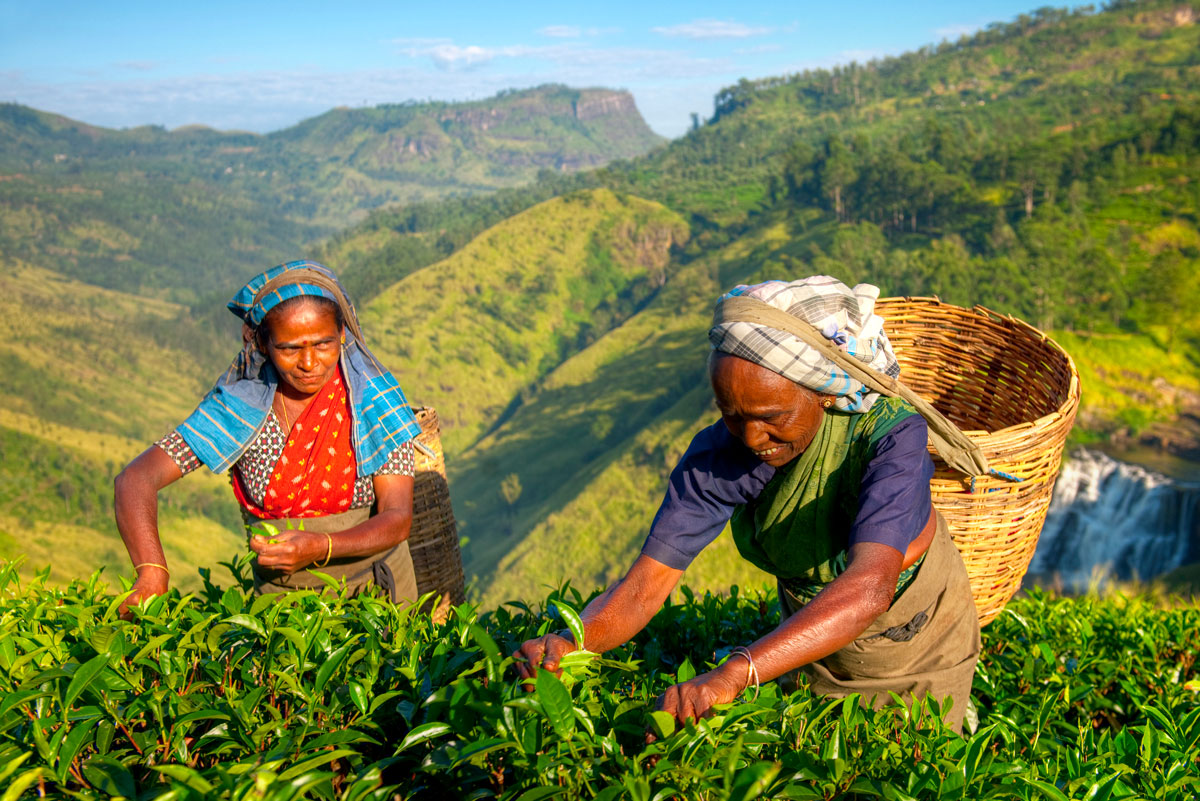

In a country rich in culture, wildlife and natural wonders, the real highlight of a journey to Sri Lanka is meeting people along the way.
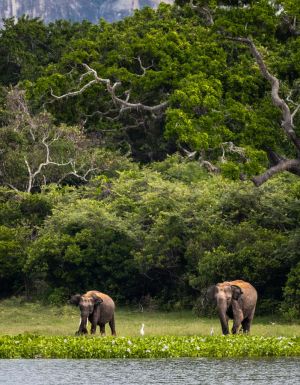
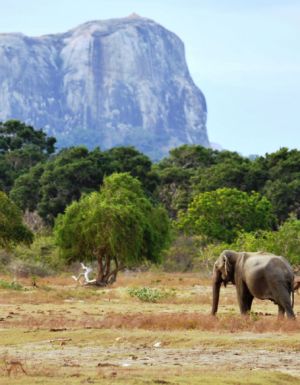
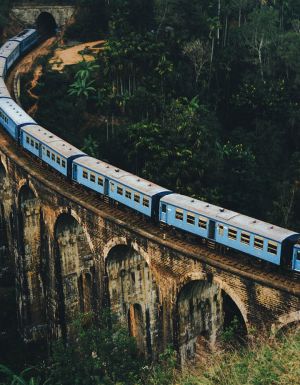
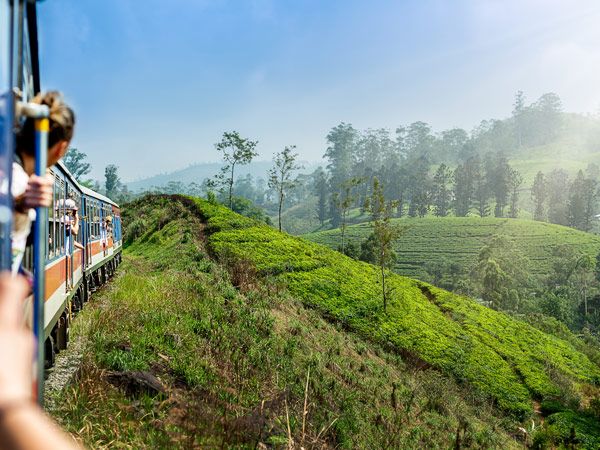
Climbing to the top of the ancient clifftop fortress of Sigiriya. Spotting elephants and sloth bears on safari. And taking in panoramic views on a train weaving through verdant hills and tea plantations. These are just some of the highlights of a trip to Sri Lanka, a land brimming with stunning landscapes and iconic landmarks and oozing rich history and culture.
But for all these factors – as we travel from beaches to forests, mountains to cities, temples to markets – I have to say the most memorable parts of my trip to this land of spice and smiles prove to be the encounters with local people.
We’re a small pack of travellers squeezing in an impressive collection of adventures in Sri Lanka with Intrepid Travel in a whirlwind six days. We’re in the company of Suminda Dodangoda – Dodan to us – our ebullient guide and leader who feels like a friend almost the instant we meet.
Having led Intrepid tours for eight years, he’s a fount of knowledge on all things local, our translator, problem-solver and constant source of beaming grins and positivity. We have a designated driver, too, accompanied by his young son ‘Junior’, who helps with luggage, and it feels like a family.
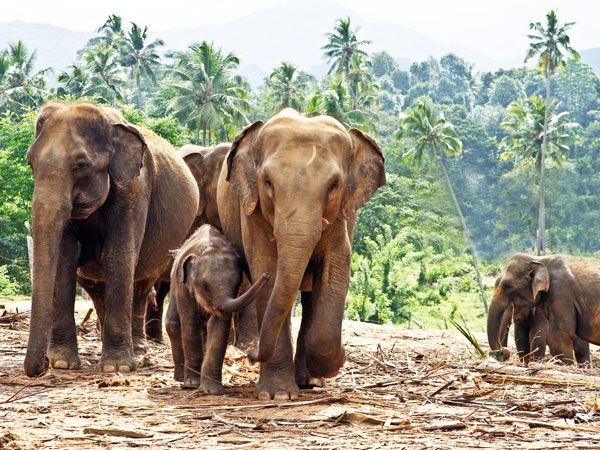
The fascinating temples of Sri Lanka
A visit to the Dambulla Cave Temple – a series of remarkable caves housing more than 150 beautifully painted Buddha statues and artwork dating back to the 3rd century BCE – gives a vivid insight into the history of religion and its importance to its people. On another day, we witness this devotion in person.
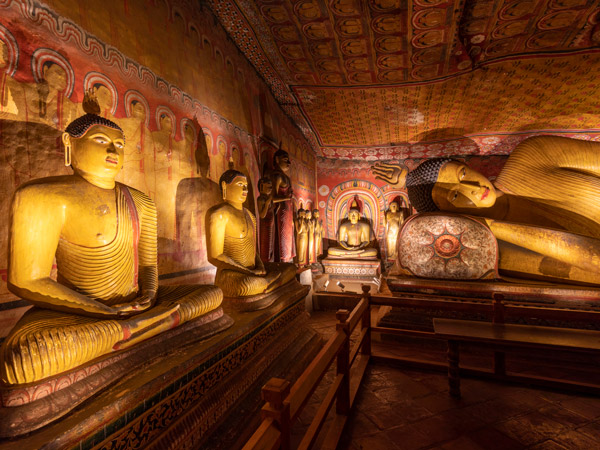
As dawn breaks over the city of Kandy, we join local devotees at the Temple of the Sacred Tooth Relic, the nation’s most sanctified Buddhist site, which is said to house a tooth of the Buddha. It’s quiet as we approach the large, almost ethereal temple rebuilt in the 18th century, its white form glowing in the soft morning light. While it’s open three times a day for worshippers, it’s largely devoid of tourists at dawn.
Inside, the quiet is immediately replaced by a cacophony of drums and trumpets. Even at this hour, the temple is heaving with worshippers of all ages offering floral bouquets – tiny lotus and blue and hot-pink lilies – and dishes of rice sprinkled with sultanas.
We join the constant flow of people moving forward to pass the shrine housing the sacred relic, to catch a glimpse and pay our respects. I’m mesmerised by a spirited elderly woman unashamedly weaving through bodies and almost non-existent spaces to inch ahead a little quicker of the seething mass of humanity surging steadily forward.
When she suddenly turns back, I’m so distracted I miss the requisite glance into the revered shrine. But what I did witness was the Sri Lankans’ devotion and dedication to visiting a temple they believe they must see at least once in their lives.
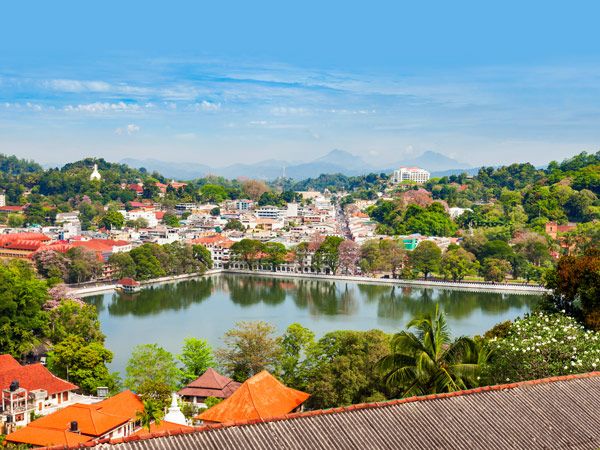
Tasting Sri Lanka’s food and flavours
In a land known for its spices, cultivated and traded for more than 2500 years, what better way to experience its flavours than in a Sinhalese family kitchen? In Kandy, we’re welcomed into the home of Kolitha and Deepthi Alahakoon and their two teenage daughters.
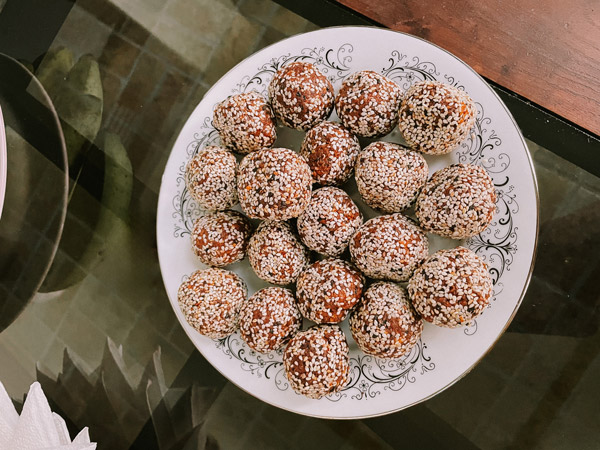
We start with a welcome tea and nibbles – tiny sugar bananas and thala guli, little balls of white sesame-seed deliciousness, coconut and crushed jaggery – before entering the kitchen for the main event. Preparations for the chicken curry begin, which is to be cooked in a kindling-fuelled wok in a separate enclave off the kitchen, keeping cooking aromas at bay with outside ventilation. Instructions are to make those spoonfuls of curry large ones.
Next it’s the coconut sambol – a Sri Lankan essential – pounded chilli mixed with freshly ground coconut. The coconut features again in the pittu – mixed with rice flour, steamed in a cylinder mould and cut into thick slices. The elevation from using fresh coconut is striking and I covet the fabulous grater clamped to the bench, undoubtedly a kitchen necessity.
It’s here we discover string hoppers (rice noodles) are made with an ingenious contraption that miraculously extrudes a rice flour mix into threadlike noodles, although our own efforts to create neat noodle pats are not always pretty.
We’re shooed from the kitchen while the hosts pull together all the elements to present at the dining table with additions of caramelised onion, dahl, multiple curries and pappadums. It’s a veritable feast.
Go behind the scenes at factories
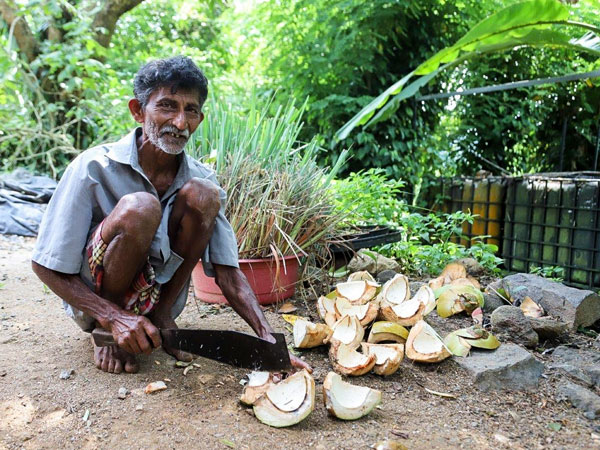
Factories in Sri Lanka are usually small and rustic affairs, which often operate in backyards with the assistance of the family and other workers. Our group of inquisitive strangers is welcomed into a salt factory to see how it operates and watch the team breaking down large slabs and clumps of salt rock into finer material before being packed into small parcels by a group of women of varying ages sitting on the ground.
Another factory transforms cut sugarcane into treacle – it’s hot, arduous work carried out with the simplest of technologies. The heat is stifling inside, emanating from burning the cane and boiling up the sugar to form treacle in vast vats stirred by hand.
It’s a family affair over three generations led by the grandmother, the matriarch. During this surprise visit, Dodan discovers the parents are deaf. He speaks with the grandmother and provides some information about educational resources to assist the two children, knowledge gleaned as part of his previous government job. It’s a good example of how a travel company operating locally can reach into the community and make a difference.
The future of tea plantations is bright
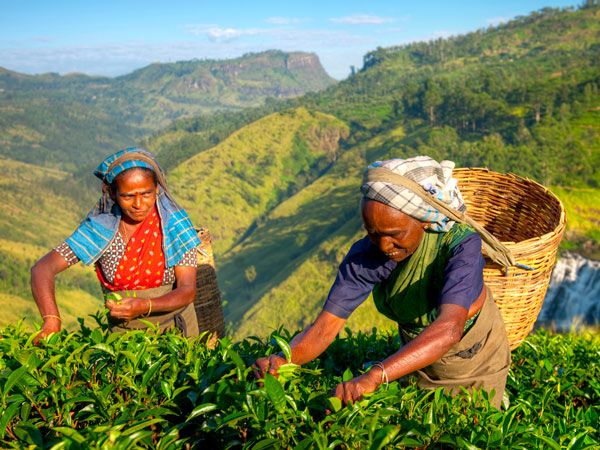
What’s a trip to Sri Lanka without visiting a tea plantation, an industry that employs about 10 per cent of the Sri Lankan population, both directly and indirectly? In the Central Highlands, where humidity, cool temperatures and rainfall provide the perfect climate for high-quality tea, we visit the family plantation of forward-thinking Thilina Tennakoon.
Established originally in 1883, the plantation was handed back to the original owners by the British in 1948. As we wander, we learn about tea and the myriad fruits and spices grown onsite – cardamom, cinnamon, black pepper and jackfruit – though tea remains the main gig employing a team of seven.
It’s small producers like these that provide 65 per cent of Sri Lanka’s tea production. After government subsidies were removed for chemical fertilisers, making the cost unobtainable, most farms returned to organic practices. After four years, production yields here show very little difference, a positive sign for the future.
A highlight is meeting Thilina’s fascinating and thoroughly resourceful neighbour, a retired IT worker now reinvented as an off-grid, organic vegetable farmer, raising chickens, quails and goats and living his dream. The farmer makes his own biochar and reveres the value of cow urine to his crops.
He proudly shows us through his work shed and home, fuelled by solar and wind power and his own biogas, compliments of the chickens. The buildings are constructed almost completely from recycled materials, although he assures us the toilet fittings are new, and the views spectacular.
Thilina’s mum then prepares a feast for us to enjoy near his luxury villas, Tea Heights. The property has Kandy’s largest private pool and overlooks the emerald-green tea plantations. It’s a special place to be.
Weekly travel news, experiences
insider tips, offers, and more.
Roadside adventures
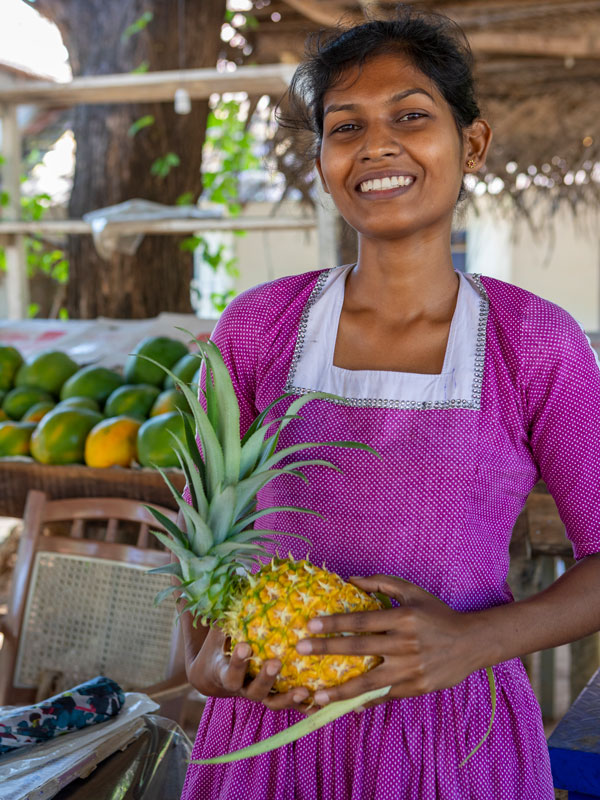
It’s not just the planned itinerary that brings personal interactions. Each day brings a new roadside adventure, some completely impromptu. We approach a simply constructed roti stall, sheets of corrugated iron placed over thin timber posts, smoke billowing, with a small shrine inside.
Just as drivers do on their long-haul rest breaks, we stop for a quick cuppa and watch as a woman with her son in tow whips up flatbreads on her stove with curry sauces to dip them in, one featuring the meat of wild boar.
Another stall beckons with the promise of freshly made scoops of buffalo curd, served in thick terracotta bowls and topped generously with treacle, perhaps my favourite food discovery in Sri Lanka. The curd comes courtesy of the buffalo out the back and the deft hands of a smiling woman dressed in crimson in beautiful harmony with the lolly-pink interiors of her shop.
There are myriad more experiences: buying sweet treats from a community kitchen operated by disadvantaged women; eating lunch from tin plates alongside city workers; stopping to dice and spice fresh mangoes as we travel along – a series of snapshots of everyday moments. Each interaction has an impact. As Dodan notes, “Tourism is so important here. Wherever we stop, to buy bananas or a drink, it helps an entire family."
It’s a good way to travel – knowing you’re making a difference, however small, and meeting the locals. Surely wherever we travel, people should be at the heart of it.
Want to see more stories from International Traveller in your Google search results?
- Click here to set International Traveller as a preferred source.
- Tick the box next to "International Traveller". That's it.