
A few days in Beijing will be packed with things to do, from grand imperial buildings and centuries-old temples to atmospheric neighbourhoods where ancient traditions meet modern life.
As China’s capital, Beijing is home to some of the country’s most iconic landmarks, from the sprawling Forbidden City to the world-famous Great Wall of China. But there’s much more to the city than its headline attractions. Wander through labyrinthine hutongs, take a slower pace in its peaceful parks, sample delicious local food and discover layers of history around every corner. Whether you’re visiting for a few days or staying longer, there are plenty of things to do in Beijing.
In short
If you only do one thing in Beijing, make it the Forbidden City, where centuries of history, imperial grandeur and traditional culture come together in the heart of the city.
1. Delve into imperial history at the Forbidden City
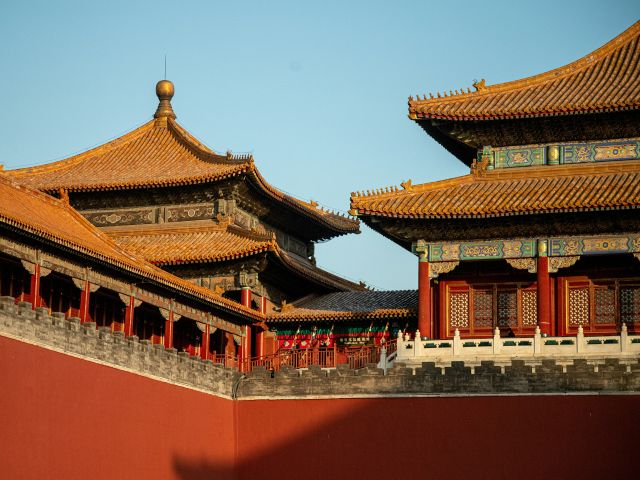
One of Beijing’s most iconic landmarks, the sprawling 72-hectare Forbidden City is the historic and symbolic heart of the city. Built in the early 15th century during the Ming Dynasty, the imperial complex comprises 980 buildings decorated in imperial red, gold and wood. For almost 500 years, it served as the exclusive residence of 24 Chinese emperors and was strictly off-limits to ordinary citizens, with unauthorised entry punishable by death, hence its name, Forbidden City.
After opening to the public in 1925, it was later designated a UNESCO World Heritage Site. Allow at least half a day to explore its grand halls, courtyards and the serene Imperial Garden, a private retreat for the imperial family and a fine example of traditional Chinese garden design. The Palace Museum houses the world’s largest collection of preserved ancient Chinese art and artefacts.
Address: 4 Jingshan Front Street, Dongcheng District
Opening hours: Tuesday to Sunday, 8:30am – 4pm
Hot tip: Book in advance and take your passport for entry.
2. Wander the exquisite Summer Palace
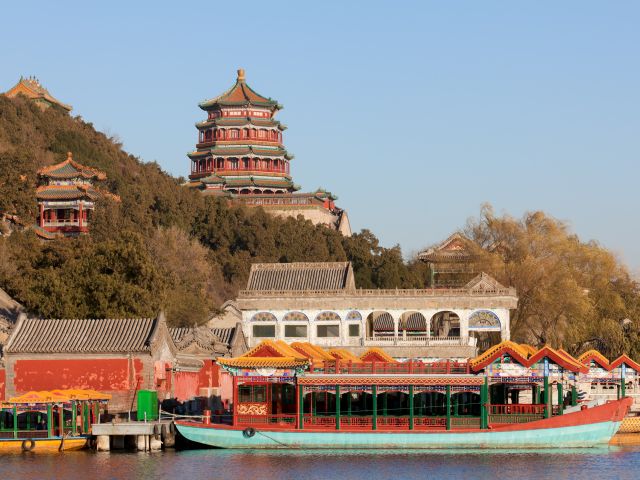
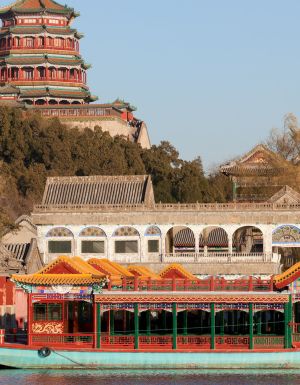
Located northwest of the Forbidden City, the Summer Palace is a masterpiece of Chinese landscape design and was designated a UNESCO World Heritage Site in 1998. First built in 1750 as an imperial retreat for the Qing emperors, it was largely destroyed during the war of 1860 and restored on its original foundations in 1886. The palace later became the preferred residence of Empress Dowager Cixi and was opened to the public as a museum following the abdication of Puyi, China’s last emperor.
The palace is centred around Longevity Hill and Kunming Lake, which together cover more than three-quarters of the site. Highlights include the Seventeen-Arch Bridge, the Marble Boat and the intricately decorated Long Corridor, stretching for more than 700 metres. Allow at least half a day to explore the elegant pavilions, halls, temples, bridges and gardens.
Address: 19 Xinjian Gongmen Road, Haidian District
Opening hours: Daily, 6am – 8pm from April to October, and daily 6:30am –7pm from November to March. The main indoor attractions generally open later and close earlier, typically from 8:30am – 5pm. Some indoor attractions and inner gardens may be closed on Mondays.
Hot tip: Advance bookings are possible but not essential. You must take your passport for entry.
3. Spend a morning at the sacred Temple of Heaven
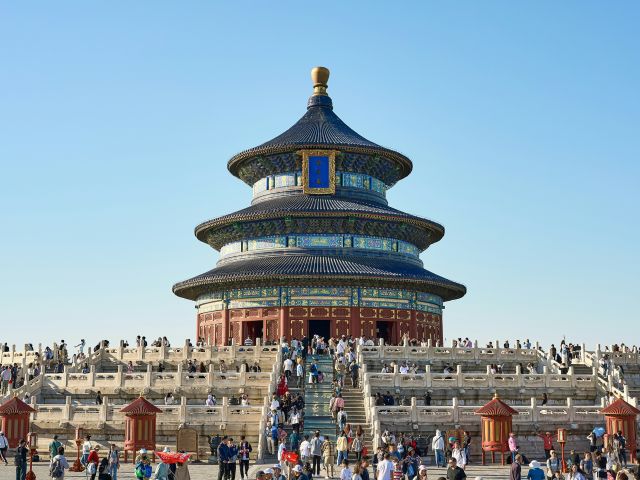
Founded in the early 15th century during the Ming Dynasty, the Temple of Heaven is a magnificent complex of religious buildings set within vast gardens and surrounded by historic pine and cypress woods. The temple served as a sacred site where Ming and Qing emperors prayed for good harvests and made offerings to the gods. Its circular architecture and layout symbolise the relationship between Heaven and Earth. The iconic Hall of Prayer for Good Harvests stands on a three-tiered marble terrace and was constructed entirely from wood, without nails. The complex also includes the Imperial Vault of Heaven and Circular Mound Altar. Designated a UNESCO World Heritage Site in 1998, the Temple of Heaven is best visited in the morning, when locals gather to practise tai chi, dance, play mahjong and socialise.
Address: Tiantan Road, Dongcheng District
Opening hours: Daily, 6am – 10pm from April to October, and 6:30am – 10pm from November to March. The main historic attractions have shorter opening hours and are closed on Mondays.
Hot tip: Advanced bookings are not essential but are recommended for weekends and during holidays. You must take your passport for entry.
4. Tick the Great Wall off your bucket list
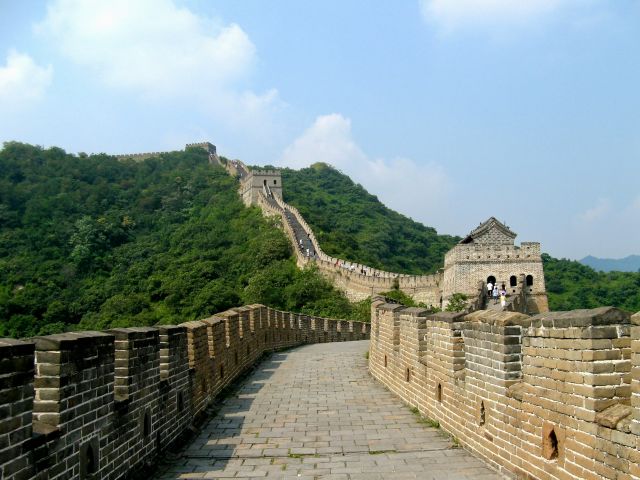
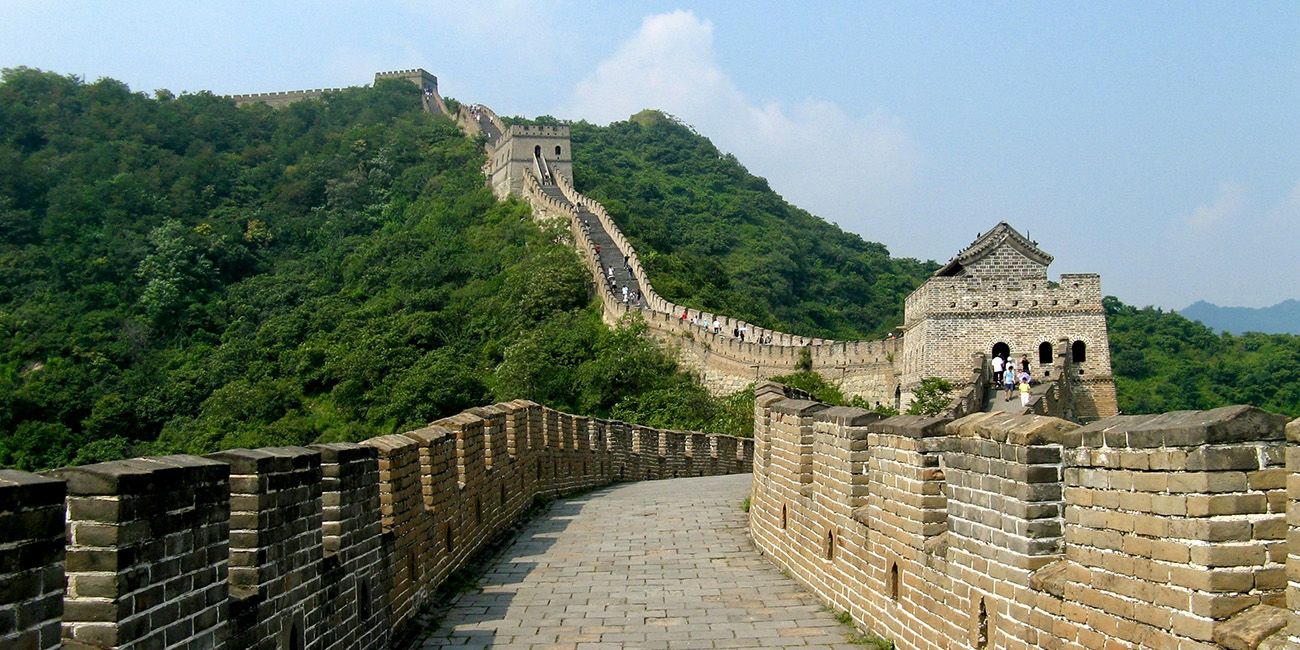
Construction of the Great Wall began around 220 BC, when Qin Shi Huang joined earlier fortifications to create a unified defence against invasions from the north. It eventually became the world’s largest military structure, and today, several sections near Beijing offer distinctly different experiences. The easiest section to visit is Badaling, which is reached by high-speed train in roughly 20 minutes from central Beijing. Fully restored, with stone paths and cable cars, it is also one of the busiest sections.
Otherwise, pre-book a tour to one of the further sections. Mutianyu, around 90 minutes by road, is one of the best-preserved sections, surrounded by dense woodland and offering relatively gentle slopes, a cable car and a popular toboggan ride. Juyongguan is a major mountain pass and fortress slightly closer to Beijing, but has steep and challenging stone steps. For hiking, Jinshanling offers a mix of trails, while Simatai is known for its steep terrain, distinctive watchtowers and nearby Gubei Water Town, a reconstructed canal resort at the foot of the Great Wall.
Address: Varies depending on the section you visit.
Opening hours: Varies depending on the section you visit.
Hot tip: Major sections require advance bookings and you must take your passport for entry.
5. Explore the atmospheric Hutongs
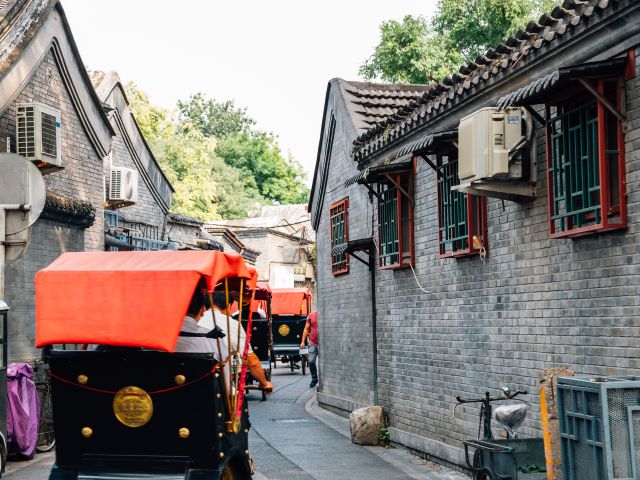
Hutongs are Beijing’s ancient narrow lanes, lined with grey-brick courtyard homes where generations have lived since the Yuan Dynasty (1271–1368). These tree-shaded streets offer an intimate glimpse into traditional Beijing life, where you might encounter locals going about their daily routines or playing xiangqi (Chinese chess), alongside fruit sellers, antique and curiosity shops, hip cafés, cocktail bars and boutique hotels.
Located throughout central Beijing, particularly around the Forbidden City and within the Second Ring Road, hutongs can be explored on guided walking tours, by rickshaw or at your own leisure. Nanluoguxiang is the most popular hutong area, blending traditional shops, cosy cafés and boutique stores. For a quieter experience, head to the peaceful Shichahai area, home to three interconnected lakes.
Address: Nanluoguxiang is in the Dongcheng District, Beijing
6. Visit Beijing’s most symbolic national site, Tiananmen Square
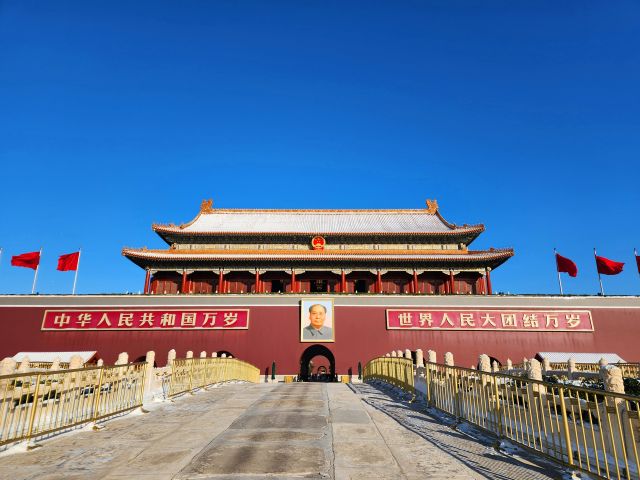
Located in the heart of Beijing, Tiananmen Square covers more than 44 hectares, making it one of the world’s largest public squares. It takes its name from the Gate of Heavenly Peace, which stands at its northern end and leads to the Forbidden City. In 1949, Chairman Mao Zedong proclaimed the founding of the People’s Republic of China from the gate, making the square an important symbol of modern China.
Surrounding landmarks include the Great Hall of the People, the National Museum of China, the Monument to the People’s Heroes and Mao Zedong’s Mausoleum. Tiananmen Square is also associated with the pro-democracy protests of June 1989 and the subsequent government crackdown, during which many people were killed. Combining a visit to Tiananmen Square with the Forbidden City offers insight into Beijing’s history and national identity. Entry to the square is free, but you are still required to make a reservation in advance.
Address: East Chang’an Avenue, Dongcheng District
Opening hours: Daily, 5am – 10pm
Hot tip: Book in advance and take your passport for entry.
Weekly travel news, experiences
insider tips, offers, and more.
7. Taste the city’s most famous dish, Peking Duck
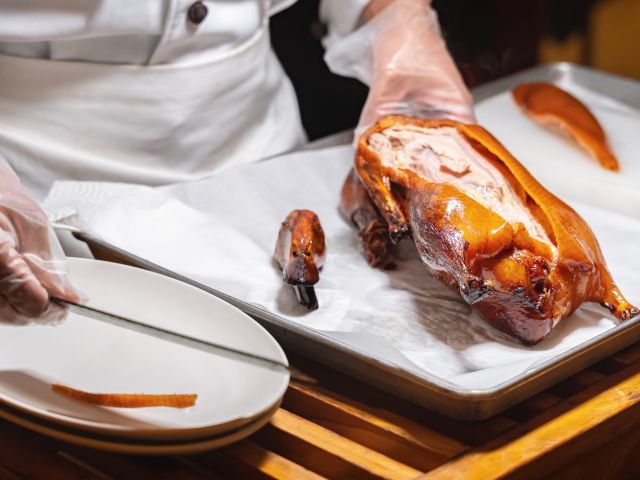
No visit to Beijing is complete without sampling its most famous dish, Peking duck. Dating back to the imperial kitchens of the Ming Dynasty, the dish became a favourite of the Qing court and later a celebrated Beijing speciality. The duck is traditionally roasted until the skin is crisp and golden, then served with thin pancakes, spring onions, cucumber and sweet bean sauce. Slicing the duck tableside is part of the experience, making this iconic dish as much a cultural tradition as a meal.
8. Take a stroll in Beihai Park
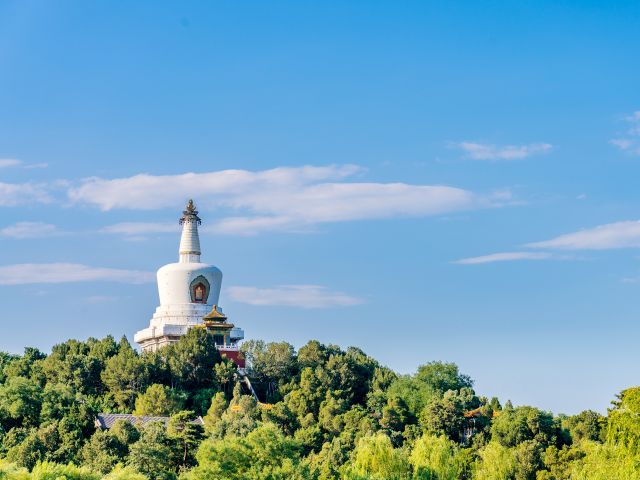
Beihai Park, or Northern Sea Park, is one of China’s oldest, largest and best-preserved imperial gardens, with more than 1,000 years of history. Located in central Beijing, the 69-hectare park surrounds Beihai Lake and combines elegant gardens, magnificent palaces and religious architecture. Its centrepiece, Jade Islet, also known as Jade Flower Island, is a scenic island in the centre of Beihai Lake, crowned by the striking White Dagoba, a Tibetan-style stupa. Open to the public since 1925, the park offers a glimpse into traditional Beijing life. Visit to see locals practising dìshū (water calligraphy), stroll through the gardens, hire a boat in summer or go ice-skating in winter.
Address: No. 1 Wenjin Street, Xicheng District
Opening hours: Daily, 6am – 9pm from April to October, and daily 6:30am – 8pm from November to March
Hot tip: Advance bookings are possible but not essential. You must take your passport for entry.
9. Visit Beijing’s most important Tibetan temple
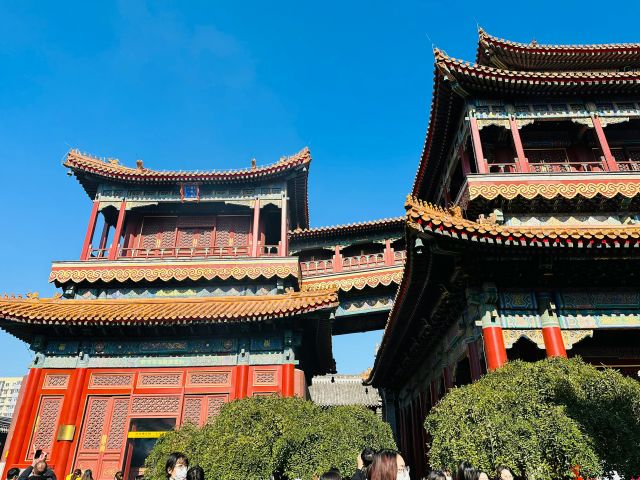
The Lama Temple, or Yonghe Temple, is one of Beijing’s most important Tibetan Buddhist monasteries and among the largest outside Tibet. Originally built in 1694 as a residence for the future Yongzheng Emperor, it was converted into a lamasery in the 18th century and became an important centre of Tibetan Buddhism. The temple sits north of the Forbidden City and blends Han Chinese and Tibetan architectural styles, with five magnificent halls and courtyards filled with statues, mandalas and religious relics. Its most remarkable feature is an 18-metre-high Maitreya Buddha carved from a single trunk of sandalwood. Allow at least an hour to explore this active place of worship.
Address: No.12 Yonghegong Street, Beixinqiao
Opening hours: Between April to October, daily from 9am – 5pm, and between November to March, daily from 9am – 4:30pm
Hot tip: Book ahead and take your passport for entry.
10. Spend the evening at Peking Opera
Originating in Beijing during the mid-Qing Dynasty, Peking Opera is a traditional Chinese performance art that combines singing, recitation, acting, martial arts, dance, acrobatics, mime and instrumental music. It remainsculturally significant today, with stories exploring history, politics, society and daily life. In 2010, UNESCO inscribed Peking Opera on the Representative List of the Intangible Cultural Heritage of Humanity. Performances traditionally use the Beijing dialect and follow strict rules of form and rhyme. Liyuan Theatre is a popular venue for experiencing the opera, offering tea-house-style seating where visitors can sip Chinese tea and even go backstage to watch actors apply their elaborate facial makeup before the show.
Address: Liyuan Theatre is located on the 1st Floor of Qianmen Jianguo Hotel, 175 Yong’an Road, Xicheng District
Opening hours: Shows run daily at 7:30pm
Hot tip: Book tickets in advance.
Cant decide between Bangkok or Shanghai? Take a look at out guide to help you decide.
Want to see more stories from International Traveller in your Google search results?
- Click here to set International Traveller as a preferred source.
- Tick the box next to "International Traveller". That's it.