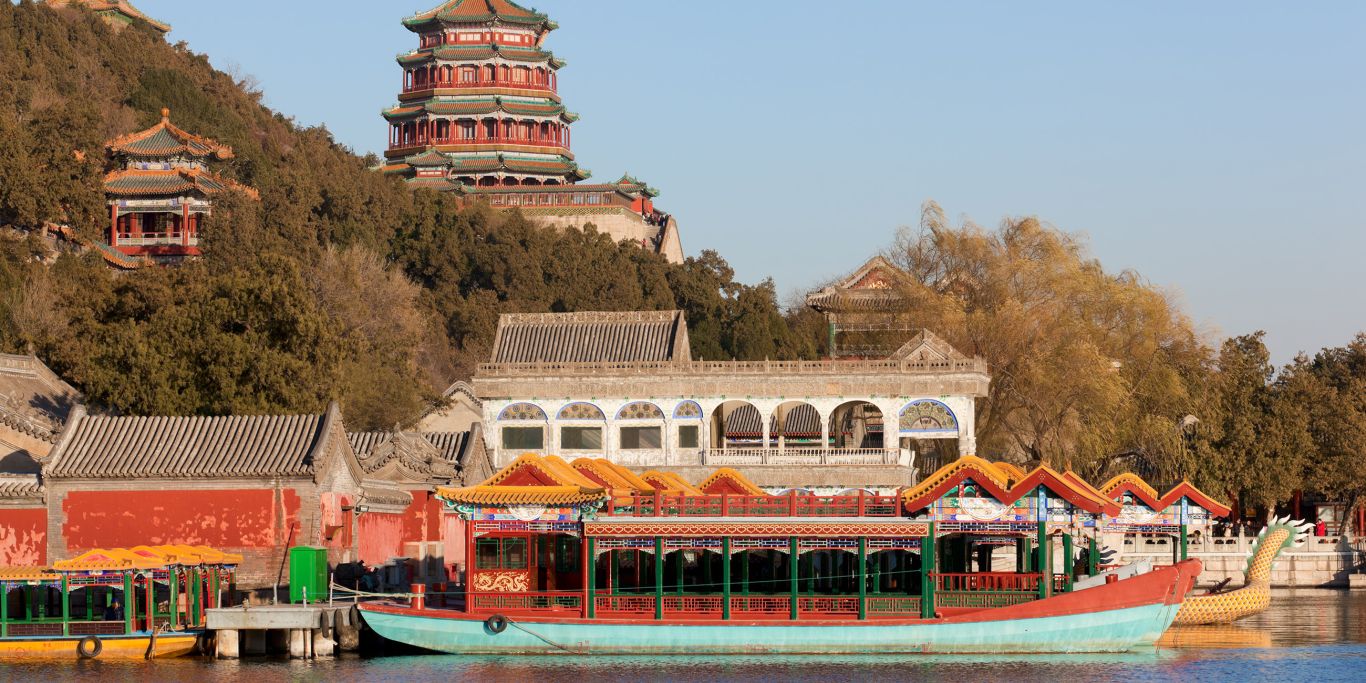

Centuries-old temples and imperial palaces, or a futuristic skyline and neon-lit strips? Beijing and Shanghai reveal two very different faces of China.
From Beijing’s centuries-old history and grand architecture to Shanghai’s glittering skyscrapers and cosmopolitan energy, it’s hard to compare China’s two globally renowned megacities. They offer distinctly different experiences and complement each other wonderfully on a first-time trip to China. But if you’re short on time, we explore the key differences to help you decide which city is right for you.
How are Beijing and Shanghai different?
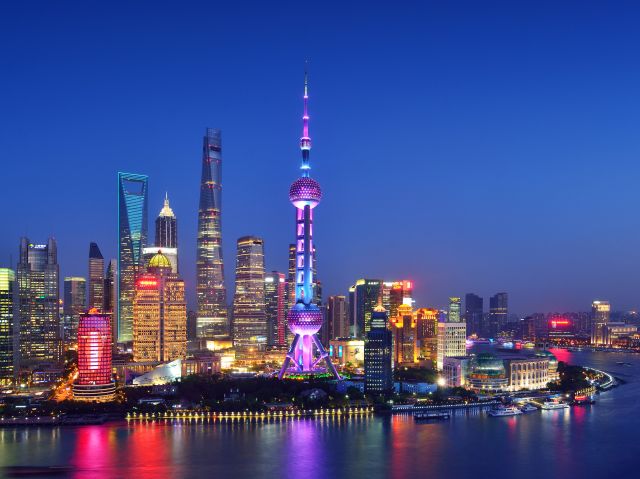
China’s capital for much of the past eight centuries, Beijing is steeped in rich history and home to some of its most fascinating cultural landmarks including the Forbidden City, the spiritual Temple of Heaven, the Summer Palace and its exquisite gardens and the Great Wall nearby. Geographically, the city is larger and more spread-out than Shanghai, built on a massive scale with wide ring roads, but it’s also known for its traditional hutongs, which are narrow maze-like neighbourhoods filled with traditional grey-brick courtyard homes. The city has a colder and drier climate than Shanghai and is an important centre for government, politics, and culture.
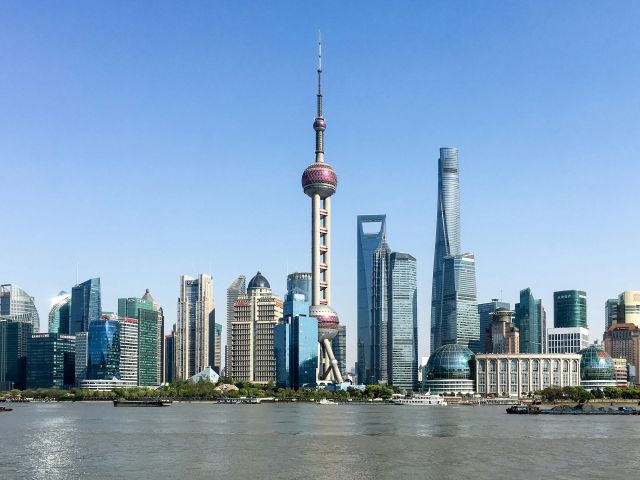
Shanghai is a large coastal city and one of China’s most important financial and commercial centres. Unlike Beijing, Shanghai is especially known for its modern skyscrapers, busy shopping areas, and international atmosphere with an exciting nighttime scene. Famous sights include the Bund, which has historic buildings along the Huangpu River, and the futuristic Pudong skyline. Shanghai has a more humid climate to Beijing and is considered slightly easier to navigate.
If you’re a history lover
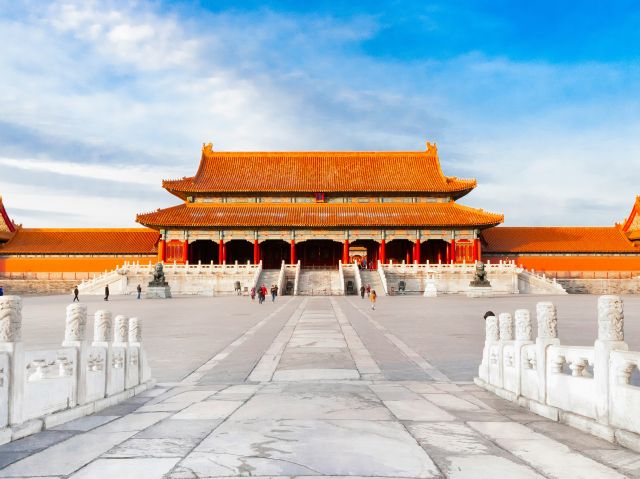
Hands-down, Beijing is your winner. As the capital of several dynasties, the city has been shaped by emperors, scholars and generations of Chinese culture. For centuries, Beijing was heavily fortified, with its gates locked each night – a tradition that only ended in 1911 with the fall of the Qing Dynasty. Today, the city is home to eight UNESCO World Heritage Sites, including some of China’s most iconic landmarks.
At the heart of the old city lies the Forbidden City, the vast imperial palace that was home to 24 emperors and the centre of Chinese power for almost 500 years. Nearby, the Temple of Heaven was where emperors performed elaborate ceremonies and prayed for good harvests, while the Summer Palace showcases the grandeur of imperial gardens around Kunming Lake and Longevity Hill. Beyond the city, the Great Wall winds dramatically across the surrounding mountains, while the Ming Tombs contain the mausoleums of 13 Ming emperors. Today, remnants of the ancient city walls, imposing gates, grand palaces, temples and historic hutongs stand alongside modern buildings, creating a fascinating blend of old and new.
If you want a modern, cosmopolitan experience
In complete contrast, Shanghai was never a dynastic capital or a major centre of imperial power. Until the 19th century, it was a modest fishing and trading town on the Yangtze River Delta. Following the First Opium War, Shanghai was opened as a treaty port and rapidly grew into a global centre of trade and finance. Foreign-controlled concessions established by the British, French and Americans gave the city a distinctly international character, creating a cultural melting pot with strong Western influences.
Shanghai means “City on the Sea", but its 20th-century glamour and cosmopolitan allure earned it the nickname “Paris of the East". Much of the city’s futuristic skyline, including the towering skyscrapers of Pudong, emerged from the 1990s onwards. And today, the city thrums with energy, blending elegant tree-lined avenues and waterfront promenades with neon-lit streets, extraordinary shopping and buzzy nightlife.
If you’re a foodie
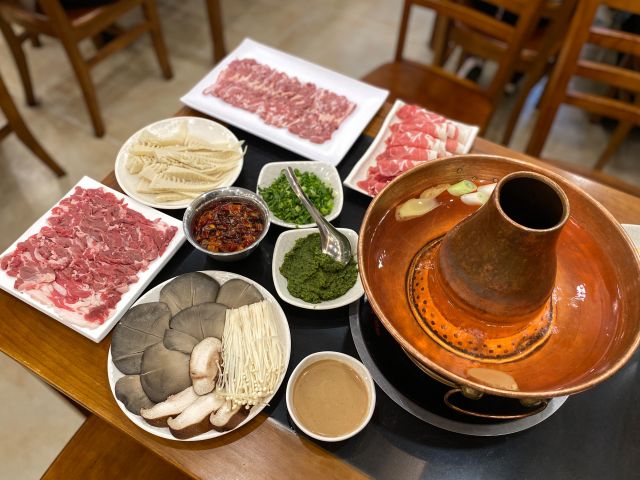
Beijing’s cuisine is often described as traditional, hearty and savoury, influenced by a wide range of regional cuisines but with historical roots in Shandong cuisine. It is primarily wheat-based, with noodles, dumplings and buns featuring more prominently than rice. The city is known for many distinctive dishes and culinary traditions, including Peking duck, much-loved for its crispy skin and tender meat; Imperial Court cuisine, encompassing dishes once served to emperors and the imperial court; and Beijing hotpot, featuring thinly sliced mutton or lamb cooked in a light broth. The hutongs are a great place to explore and sample local cuisine.
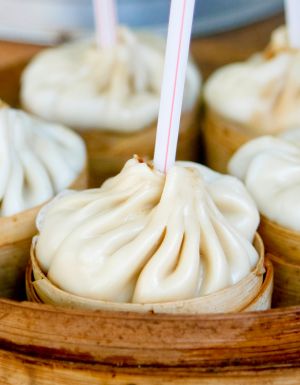
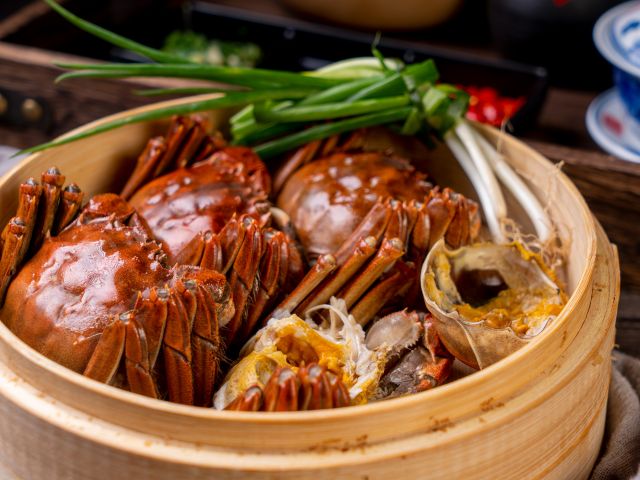
Shanghai is an extremely international city, with abundant Western, Japanese and Korean dining options, as well as a thriving fine-dining scene and plenty of seafood featured on its menus. Its traditional cuisine, known as Benbang, remains strong, with local specialties including xiaolongbao (soup dumplings), Shanghai hairy crab, pan-fried pork buns and scallion-oil noodles. Shanghai is a good option for foodies who are seeking culinary variety.
If you’re short on time
If you only have time to visit one city, make it Beijing. It offers a deeper insight into China’s history, is home to some of the country’s biggest bucket-list sites and is rich in traditional Chinese culture while remaining a bustling modern metropolis.
You’ll need at least three to four nights in Beijing to explore the city properly, including must-see sights such as the Forbidden City, Summer Palace, Tiananmen Square, Temple of Heaven, the hutongs and the Great Wall of China. The Badaling section of the Great Wall can be reached by a 20-minute high-speed train from Beijing, but it is also the busiest section. For fewer crowds, take a day trip to Mutianyu, around 90 minutes by car.
Visiting both cities in one week is also possible. The high-speed train between Beijing and Shanghai takes around four hours, with multiple departures each day. Spend three nights in each city to balance Beijing’s imperial history and traditional culture with the cosmopolitan energy and elegance of Shanghai.
Want to see more stories from International Traveller in your Google search results?
- Click here to set International Traveller as a preferred source.
- Tick the box next to "International Traveller". That's it.