If you’re someone who craves extreme adventure, the Arctic or Antarctica may be the holiday of a lifetime. We break down everything you need to know in our Arctic and Antarctica travel guide here.
Things to see in the Arctic and Antarctica
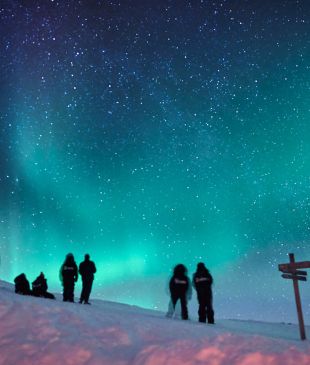
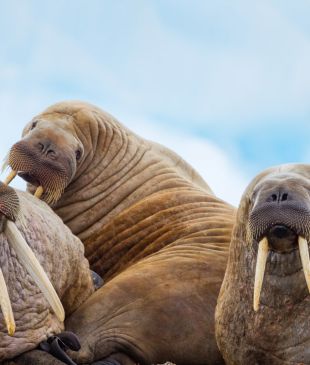
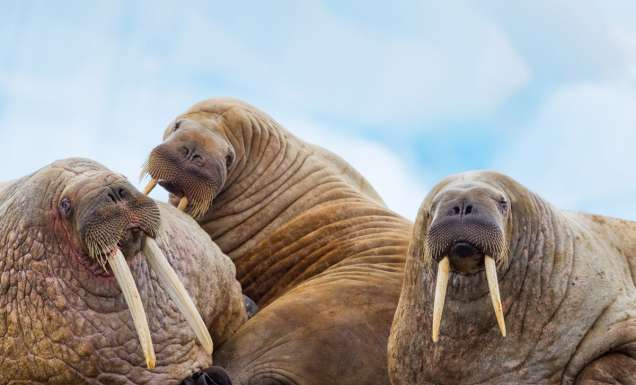
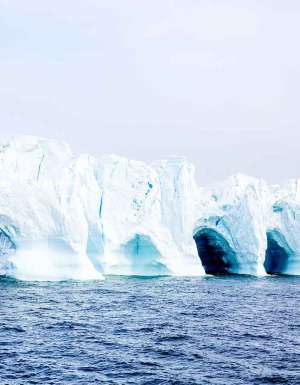
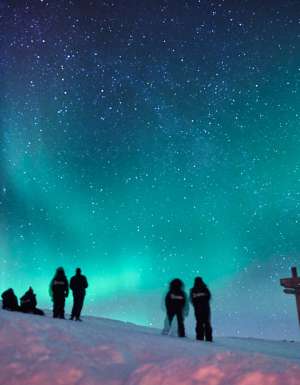
The Arctic Circle refers to an invisible ring that halos the top of the Earth. Cruising the area lets you witness summer’s endless midnight sun and the perpetual darkness of polar nights, alongside wildlife of all shapes and sizes – polar bears, walruses, seals, Arctic foxes and seabirds. The landscape is harsh but exquisitely beautiful, offering the chance to try dog sledding and witness the extraordinary northern lights, a natural wonder that produces sheets of coloured light dancing across the night sky.
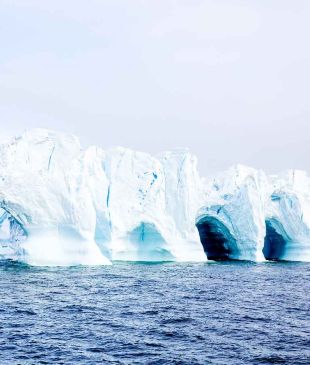
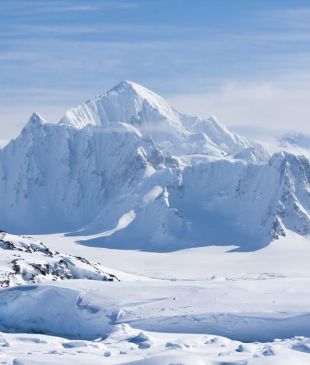
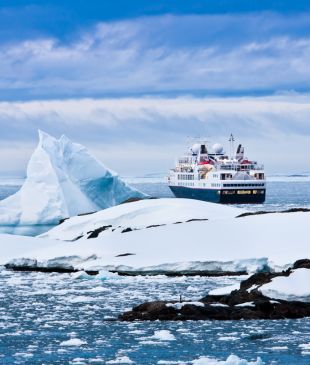
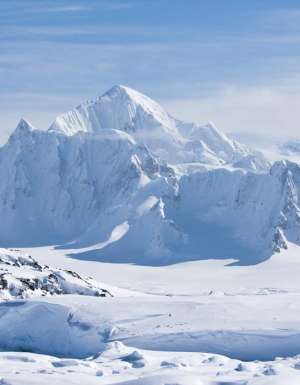
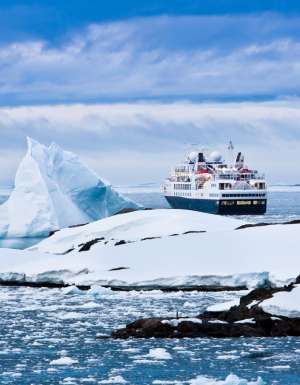
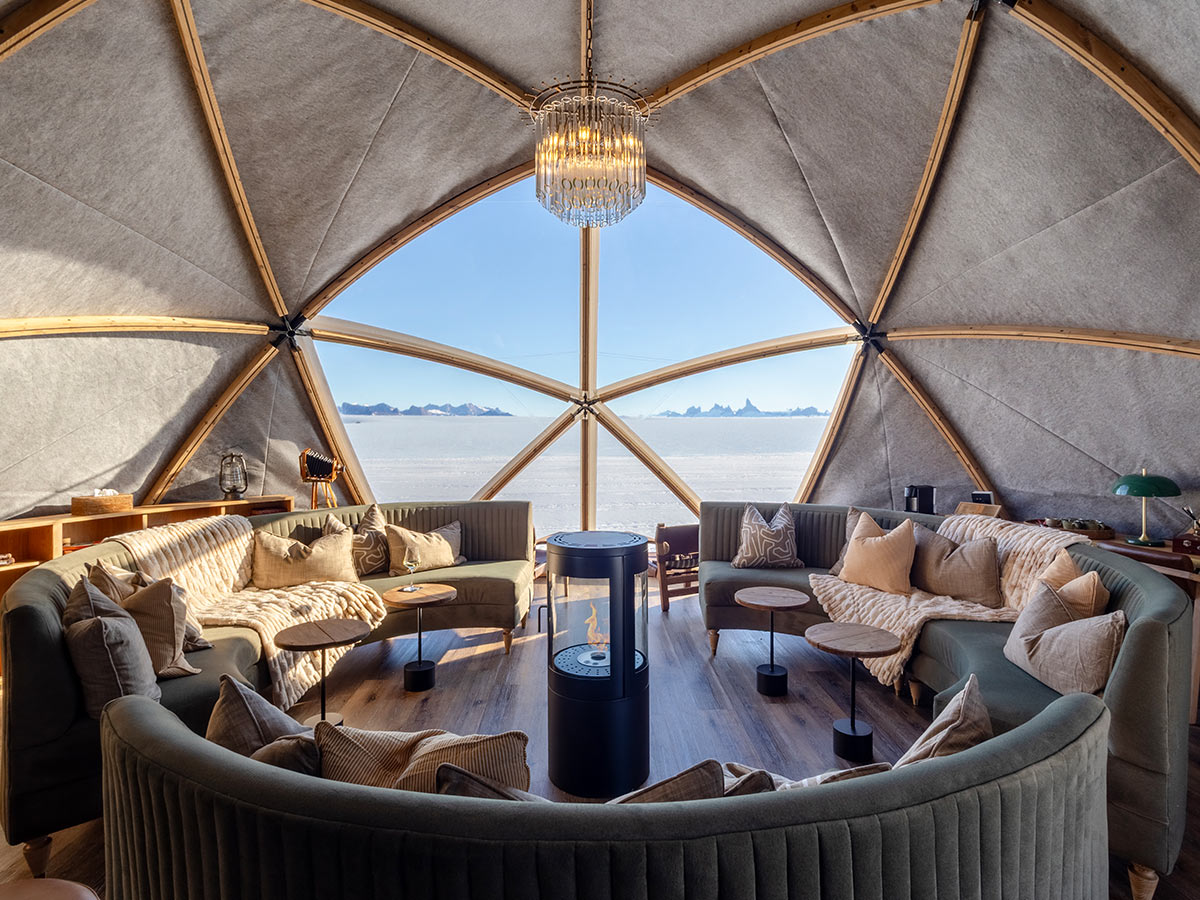
Down south at the other pole, Antarctica is the world’s largest wilderness region and one of the most untouched territories on Earth – virtually uninhabited, with almost zero pollution. The wildlife is superb, with close encounters with penguins, seals and whales. Antarctica is also home to two active surface volcanoes, including Mt Erebus, the world’s southernmost active volcano. Beyond land visits on foot, cruise ships now offer kayaking, snowshoeing, diving and skiing excursions, plus the chance to camp overnight on ice.
Best places to visit in the Arctic and Antarctica
Norway is a popular destination for aurora viewing – Tromsø, further north than Lofoten, offers excellent viewing, majestic fjords, and direct flights from Oslo. Iceland is another great place to look for the aurora borealis, along with the Yukon and Fairbanks in North America.
In Antarctica, you can retrace explorer Ernest Shackleton’s steps from Elephant Island to South Georgia Island, or enter Scott’s hut at Cape Evans. Along the way, you’ll spot whaling stations and sealers’ camps rich in history.
Best time to visit the Arctic and Antarctica
It’s advised that you spend at least a week in the Arctic Circle to increase your chances of seeing the northern lights, as conditions need to be just right. The months of November to March tend to offer the darkest and clearest skies for aurora viewing.
Cultural experiences in the Arctic and Antarctica
Indigenous Inuit culture is one of the most fascinating aspects of visiting this far-flung region, with Inuit people making up approximately 80 per cent of the Arctic’s population. For 4000 years, they’ve learned to live in an inhospitable place through ice fishing and hunting, living in turf huts, tents and occasionally igloos depending on the season.
Antarctica offers a different kind of cultural experience: total disconnection. With no mobile phone or television signal, it’s a remote region defined by incredible silence – the perfect place to switch off, be present, and take in a truly once-in-a-lifetime experience.
Getting to the Arctic and Antarctica
Cruise ships are the most practical way to visit Antarctica, typically departing from Patagonia, though some also depart from Hobart and Christchurch – making it much easier for Australians to reach this part of the world. For the Arctic, Tromsø in Norway offers direct flights from Oslo.