
Wellness travel in 2026 has well and truly evolved from an add-on for the fitness fanatics or Pilates pros who can’t skip a day’s workout on holiday, to a foundational element of everything from hotel design to dining; in-room rituals to luxury cruising.
Yes, highly targeted treatments and performance-enhancing programs hold their appeal, but the biggest shift in wellness this year comes from travellers’ yearning for a return to the simplest luxuries: peace, quiet, connection with loved ones and with nature (and 2026, thus far, certainly demands the time-out). Here are the top wellness trends and experiences to try this year.
Wellness travel is booming
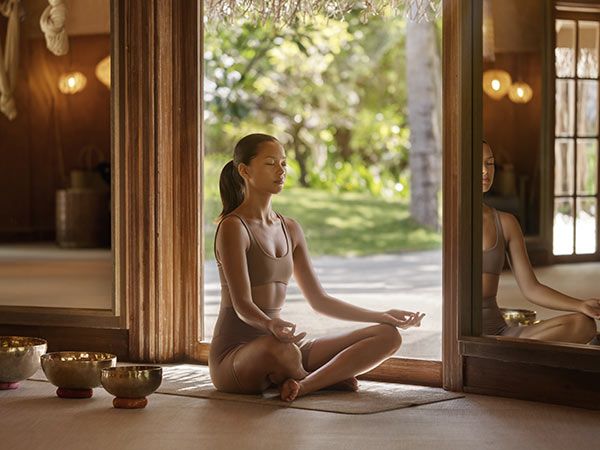
The Global Wellness Institute valued the international wellness industry as a whole at US$6.8 trillion in 2024, with wellness tourism accounting for US$894 billion (up from US$830 billion the year prior). The booming interest in longevity is showing real – well, longevity, and helping to drive this boom, with luxury travel advisor network Virtuoso’s 2026 Luxe Report citing client requests for a broad range of more restorative breaks ranging from Ayurvedic programs in India, to yoga-and-surf escapes in Costa Rica and retreats in the Canadian Rockies “where silence, itself, is part of the healing."
This keenness to incorporate elements of longevity into our travels in a meaningful, enjoyable way (rather than a box to tick, or a useful but necessary obligation) informs many of the trends in wellness travel in 2026. “Mental health and longevity are just as important as physical fitness, and many view these trips as investments in a healthier future," the report states.
Slow travel turns FOMO into slow-mo
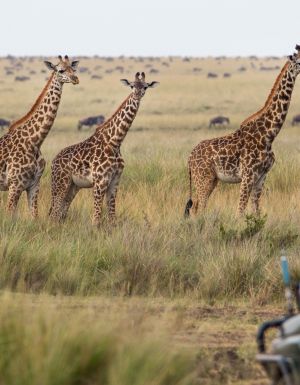
FOMO may still be getting travellers onto the plane, said CEO Matthew Upchurch at the ILTM summit in Cannes last December, but slow-mo is increasingly defining the travel experience: think fewer safari camps but longer stays at each, allowing for a total, more mindful immersion. An added bonus? Wilderness escapes also tap into the trend away from screens as recognition of their potentially damaging effects continues to grow; with families particularly keen on disconnecting to reconnect while on holiday.
In a diametric swing away from data-driven wellness, we’re seeing a growing appetite for low-tech, time-worn techniques aimed at nurturing body and soul. Skyscanner coined the term ‘reset-jetters’, quoting travel psychologist Lee Chambers: “With wellness so often framed as more activities to do or things to consume, it’s no surprise to see a trend focusing on resetting and energy management."
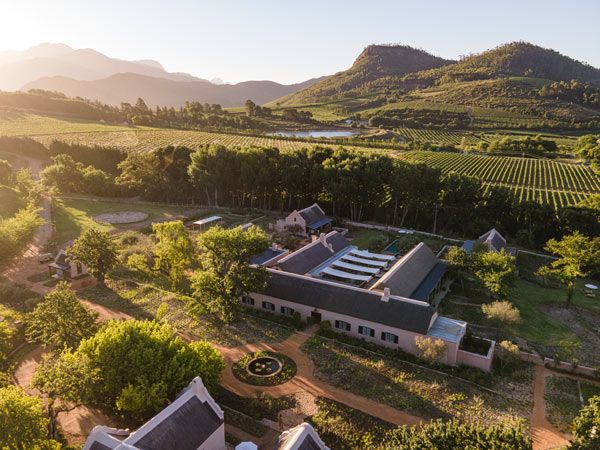
At Sterrekopje healing farm in the fertile valley of South Africa’s Franschhoek Valley, guests are encouraged to ground themselves and connect with others, enjoying wellness rituals (from tribal sound baths to reflexology) in the stunningly beautiful, cocooning environs including a bath house, Mongolian yurt, apothecary and creative atelier.
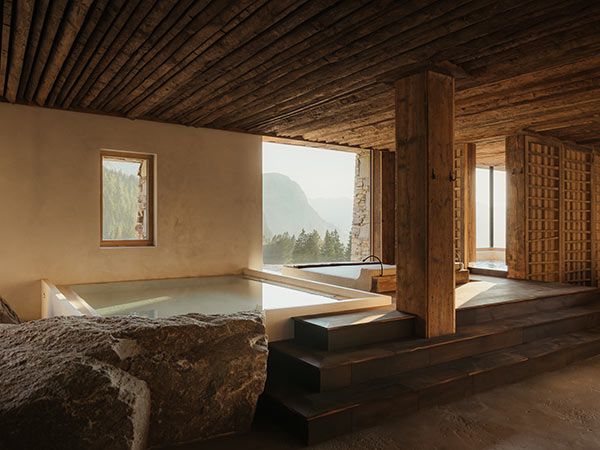
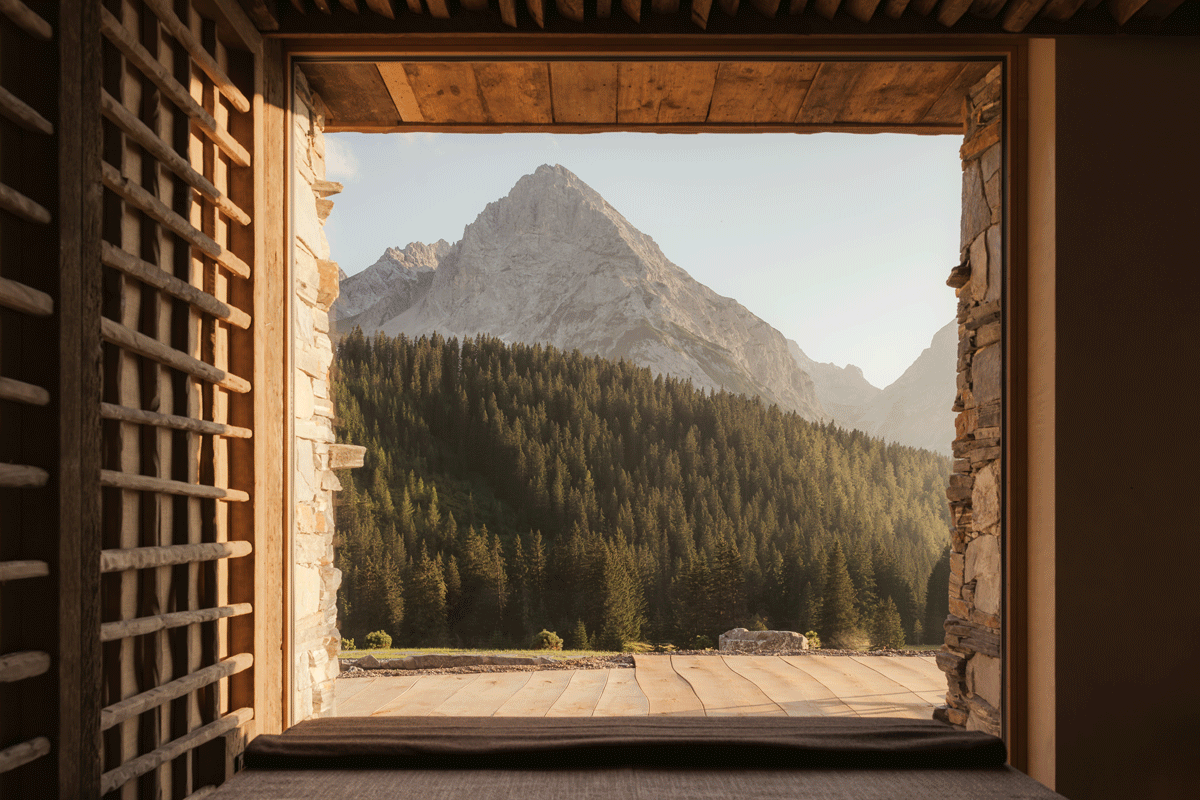
Eriro is an intimate wood-hewn hideaway nestled at 1,550 metres altitude in the Austrian Alps. Barefoot, pine-scented forest hikes give way to soothing sessions in the cave-like meditation pool; a zero-waste menu delves into the forest’s bounty.
Meanwhile, from traditional bathing practices (think Bhutanese menchu hot stone baths, where heated river stones are added to a medicinal soak with local herbs, releasing beneficial minerals) to quietly sociable bath house experiences (like the Roman-inspired Eynsham Baths at Estelle Manor in the UK’s Cotswolds), new generations are discovering the benefits of gentle commune in the calming waters.
Skip the gym: wild wellness is king (of the jungle)
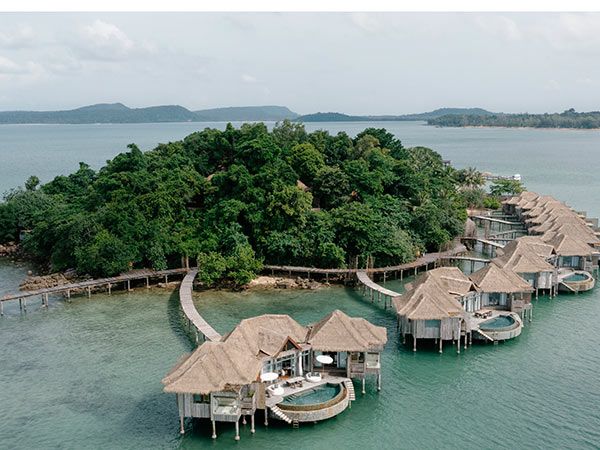
Wellness travel in 2026 is evolving outside the confines of the hotel gym or spa. Song Saa Private Island in Cambodia has transformed its Koh Bong island into a wild wellbeing sanctuary aimed at reconnecting guests with nature; expect jungle-sourced treatments targeting everything from burnout to digital dependency.
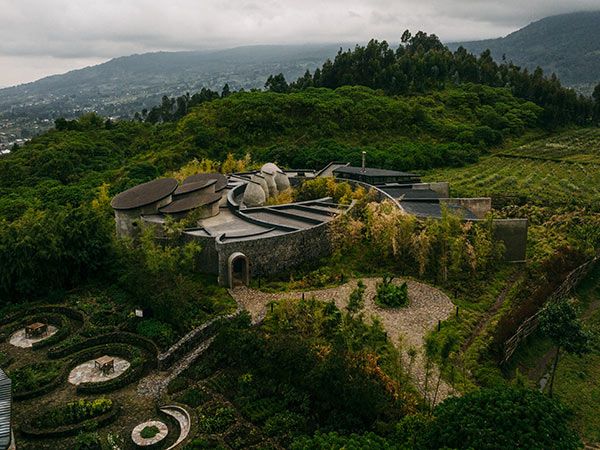
Wilderness Chief Operations Officer, Alexandra Margull says: “There’s certainly a global movement towards achieving balance, mindfulness, mental and physical health, with many people seeking to do this in their everyday lives but even more so when they travel." The locations of Wilderness camps across Africa “naturally provide the perfect environment for a holistic approach" to wellness; Mombo’s Okavango Delta, and Bisate in Rwanda recently launched wellness centres featuring gyms, spa treatments, ice baths, relaxation cocoons – and, at Mombo, a ‘remedy’ bar highlighting traditional, local healing remedies.
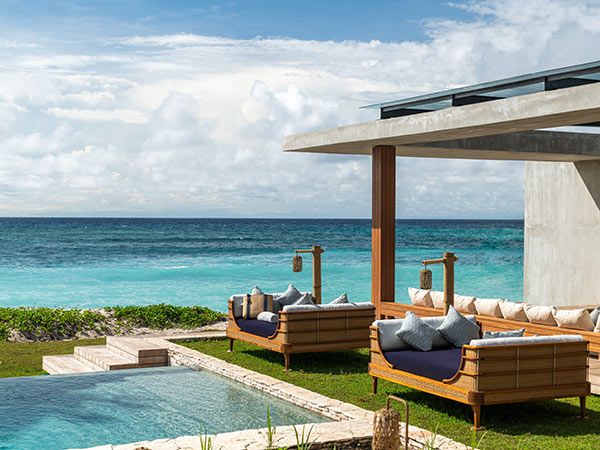
Those seeking a spiritual take on wild wellness can embark on a shamanic healing journey at Cap Karoso, nestled into the bewitching Indonesian idyll of Sumba. Prospective guests must apply for the highly personalised, week-long program – inspired by co-founder Evguenia Ivara’s own experience in recovering from an accident – aimed at bridging ‘the gap between physical and spiritual lives.’
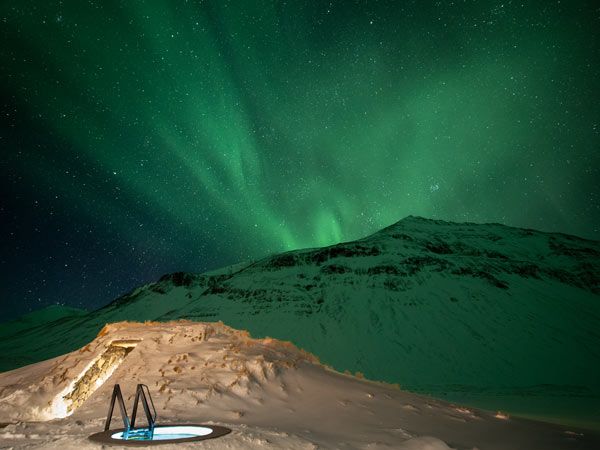
The health benefits of wild swimming (including boosted immunity and circulation) await in Norway’s shockingly cold waters; at Hotel Union Oye, which oozes fairytale Nordic charm, sink further into a wholesome reverie post-swim with a floating fjord sauna session. Or head to Iceland’s Troll Peninsula, where Eleven Deplar Farm boasts 5000 square feet of wild wellness facilities immerse you in this extraordinary landscape, including geothermic pools designed for maximal Northern Lights viewing.
Holidays, unplugged
Speaking of disconnecting, Australia’s recently introduced social media restrictions for teens may not have been universally welcomed (or uniformly applied), but they certainly herald a growing recognition that being held hostage to social media and screens may not be in anyone’s best interests. Virtuoso reports that not only are parents and grandparents “encouraging younger (not-always-willing) participants to step away from social media and reconnect with the natural world," – at ILTM Cannes, Upchurch said even some teenagers were requesting holidays that made it easier to unplug and spend quality time with their family. Who’d have thunk it?
Hotels tap into longevity
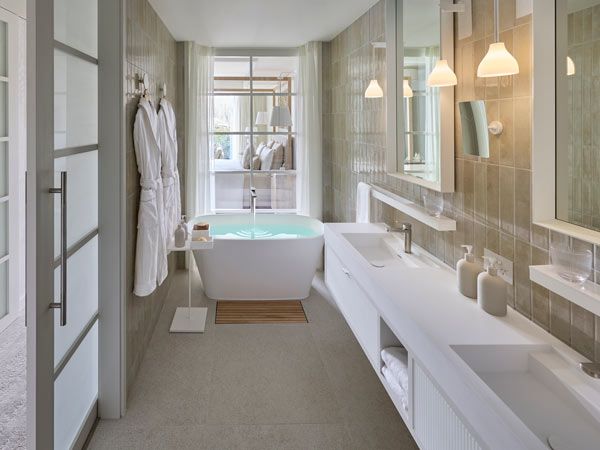
Meanwhile, Novotel is committing to a four-pillared approach to embedding and ‘democratising’ longevity – no longer the preserve of luxury resorts – including increasing plant-based menu options and new beds. Luxury hotels are also evolving their approach; at ROKI Collection in Queenstown, in-room sleep rituals complement longer-than-average spa treatments for deep relaxation, and guests can chopper to a private mountain spot for outdoor yoga in the sparkling air.
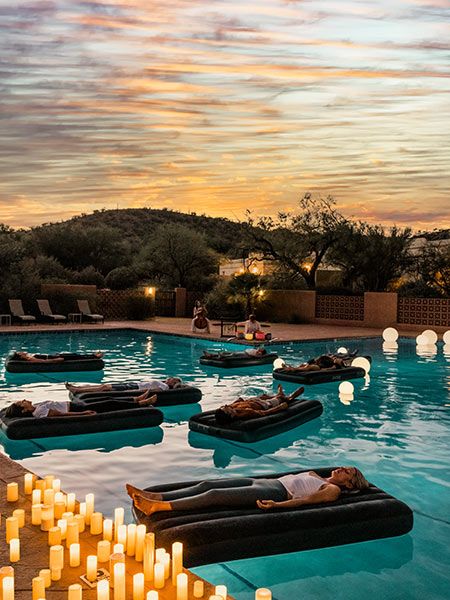
Those seeking the pointy end in their approach – diagnostics, deliverables and targeted individual programmes – may be interested in Arizona’s storied Canyon Ranch, which proffers a US$20,000, four-day ‘Longevity8’ program featuring 18 one-on-ones with doctors, dietitians and performance scientists, and over 15 diagnostic tests (think EKGs, body composition and bone density).
For a gentler approach, Philippe Starck-designed Lily of the Valley’s St Tropez-adjacent location hints at the French balance of detox and decadence; with a longevity program encompassing fitness evaluation and coaching, cryotherapy, skin programs, and personalised nutrition plans (the Mediterranean-leaning food is light yet indulgent, and there’s an extensive wine menu, because: balance).
Weekly travel news, experiences
insider tips, offers, and more.
Self-care as wellness
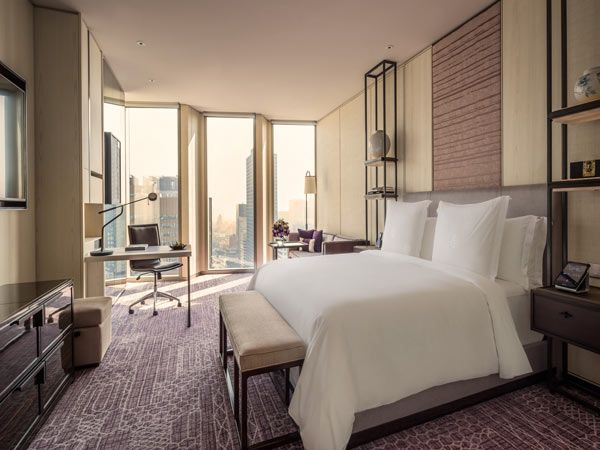
Skyscanner’s most recent travel trends report found that beauty has entered the chat, too. Thirty-six per cent of those surveyed said they performed beauty rituals when travelling because they saw it as part of self-care – and 27 per cent said they wanted to experience local beauty culture.
There are few places better to lean into this than South Korea, where K-beauty devotees can get their fix at the likes of Olive Young (think Mecca Cosmetica, but K-beauty-style). At the perfect landing pad for exploring this dynamic city, Four Seasons Seoul, revitalising eye patch masks are left on pillows, and the sprawling yet cocooning in-house spa offers traditional Korean wellness rituals including invigorating full-body scrubs (be prepared to ditch all semblance of clothing; trust me, it’s worth it).
Sustainability and wellness travel in 2026
This more holistic approach to wellness recognises a return to nature is only possible when nature is protected, with operators increasingly committing to regenerating and protecting their local environment – those like Six Senses really do excel at seamlessly tying together thoughtfully calibrated wellness programs for the so-inclined (think the women’s wellness program at Six Senses Kanuhura, Maldives, aimed at managing hormonal changes long after you return home; and the option to integrate tailored nutritional meal plans during your stay if you wish) with opportunities to learn about sea turtles and the importance of sea grass… before kicking back with a cocktail made with homemade herbal infusions and syrups.
Can you think of a better reason to get onboard?
Want to see more stories from International Traveller in your Google search results?
- Click here to set International Traveller as a preferred source.
- Tick the box next to "International Traveller". That's it.