
A lab study has done the dirty work to uncover the germiest items we carry on our travels – and the biggest offender may surprise you.
For the Kleenex-armed germaphobes out there, boarding a plane can feel like stepping into a flying petri dish. There are horror stories about barely-wiped tray tables, recycled cabin air thick with cough droplets and mystery smudges lurking on armrests.
But you might be surprised to learn that some of the grubbiest things you encounter on your travels aren’t the plane’s doing at all. They’re your own belongings. And the filthiest culprit of all (yes, dirtier than your shoes and mobile phone)? Your passport.
The Japan Rail Pass (JRPass) commissioned a controlled lab experiment to find out which belongings carry the most germs, testing bacterial colonies on six commonly used travel items.
The passport came out on top, clocking up a whopping 436 colony-forming units (CFU) – comfortably outstripping every other item tested. For comparison, even checked luggage, which came in second place for dirtiest travel item, had just a 97 CFU count. In other words, that innocent-looking little booklet you proudly whip out at every border crossing is essentially a microbial breeding ground.
The 6 dirtiest things you travel with, ranked
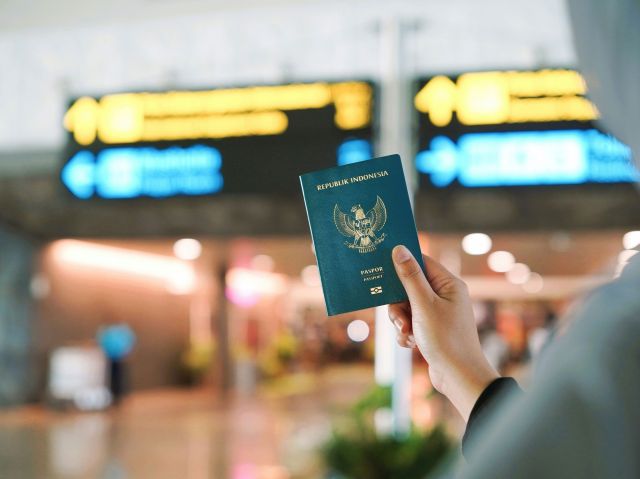
- Passport – 436 CFU colonies count
- Checked luggage – 97 CFU colonies count
- Shoes – 65 CFU colonies count
- Hand luggage – 56 CFU colonies count
- Phone – 45 CFU colonies count
- Coat – 15 CFU colonies count
Why are passports so dirty?
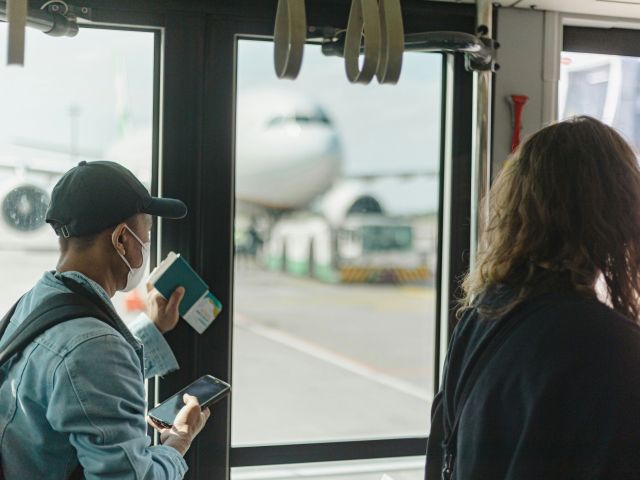
There’s a number of reasons why our passports are one of the dirtiest items we carry when travelling.
Unlike your phone or other personal items, passports are handled by a number of people: airline staff, border officials, hotel staff and more.
Passports also get placed on shared scanners and airport counters used by thousands of other travellers – whose passports are likely carrying just as much bacteria as yours. Effectively, each serve as microbial meeting points.
And to top things off, while you might think to wipe down your phone or put your muddy shoes in the washing machine every once in every while, passports are almost never wiped down or washed. (Be honest, how many times have you cleaned your passport in your life?)
How was the lab test conducted?
To test for the dirtiest travel items, samples were collected from six commonly used travel items and each was swabbed at key contact points. The swabs were then transferred to nutrient agar plates and incubated for eight days to allow visible bacterial colonies to develop, which were then measured and recorded as colony forming units.
How to avoid germs while travelling
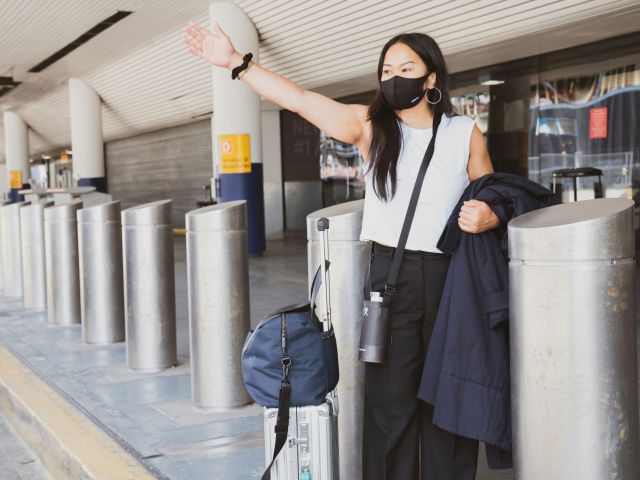
No one wants to contract an illness from travelling, so we’ve compiled some top tips to avoid germs while on the go.
- Wash your hands more than usual: this might the single most important tip, so don’t forget it
- Avoid touching your face with your hands: the eyes, nose and mouth shouldn’t be touched with unwashed hands
- Wipe down your passport and phone: these bacteria-breeding items are high-contact and should be cleaned regularly
- Wipe down your suitcase before storing it: luggage comes into contact with other baggage, airport floors, public surfaces and conveyor belts
- Wear a mask in crowded public spaces if you are prone to catching sicknesses easily: this lowers the risk of catching and spreading respiratory viruses
Want to see more stories from International Traveller in your Google search results?
- Click here to set International Traveller as a preferred source.
- Tick the box next to "International Traveller". That's it.