Devastating floods have left communities in urgent need of support. Here’s how Australians can help and what travellers need to know.
Communities in northern Nepal and neighbouring Tibet are facing a humanitarian emergency after flash floods destroyed homes, damaged essential infrastructure and left thousands of people missing.
As rescue teams search for survivors, families need shelter, clean water, food and medical assistance. Australian charities have launched appeals, while the Australian government has increased its support.
For Australians with upcoming Nepal itineraries, the disaster also raises questions about transport, cancellations and travel insurance. Here’s what’s happening, where to donate and the advice to check before travelling.
What’s happening in Nepal?
The floods struck on 26 August, affecting communities near the Nepal–Tibet border and downstream. Rasuwa, Nuwakot and Dhading are among the districts where homes, roads and bridges have been swept away, and at least 50,000 people have been impacted.
The full scale of the tragedy is still unfolding. On 31 August, the ABC reported at least 794 deaths in Nepal, with thousands of people still missing. Assistant foreign minister Matt Thistlethwaite confirmed on 31 August that 43 Australians remained unaccounted for, with officials working to establish their whereabouts and welfare.
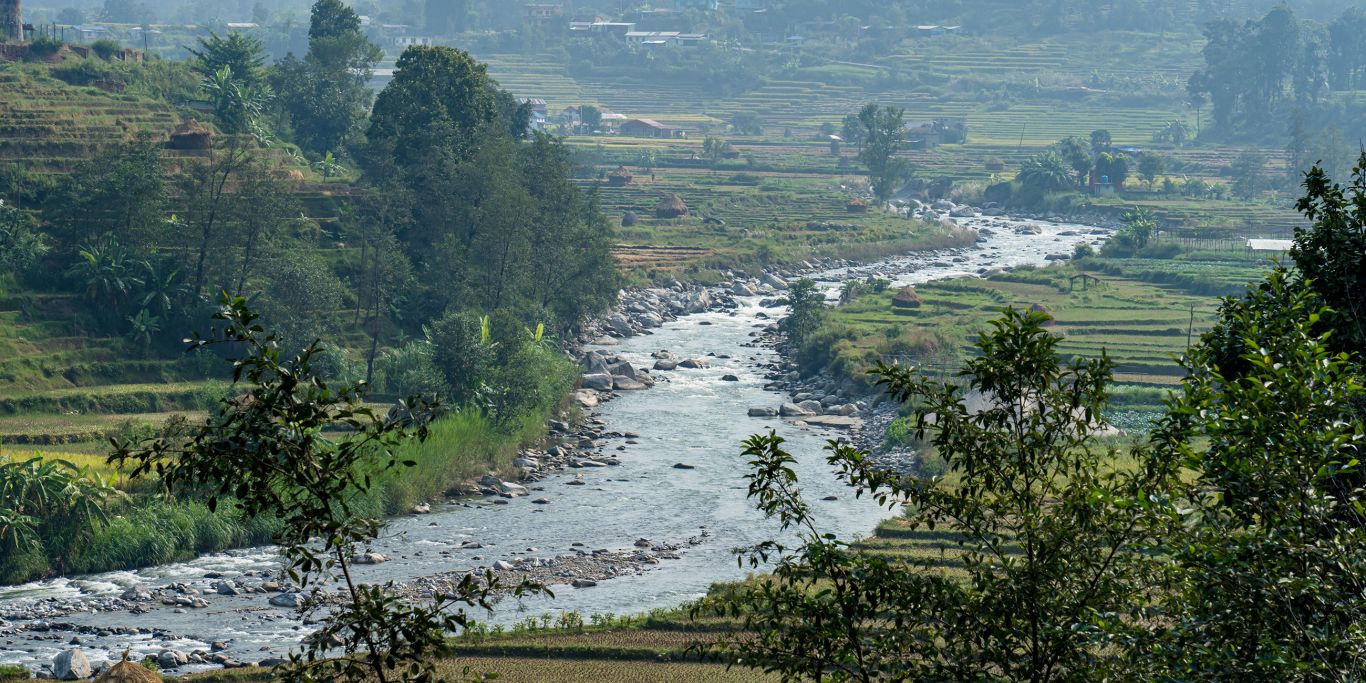
According to UNICEF, scientists believe the floods were triggered when a mass of ice and rock collapsed from a glacier high in the Himalayas near the Nepal-Tibet border, sending a powerful surge of water downstream through the Bhote Koshi River and into communities in northern Nepal, which created flash floods.
For the survivors, reaching help remains a challenge. The Australian Red Cross response update describes communities cut off by damaged infrastructure, making assessments and relief deliveries difficult.
Nepal Red Cross Society teams and volunteers have been mobilised, with supplies including tarpaulins, blankets, sleeping mats, first aid equipment and drinking water dispatched where access allows.
How can Australians help those impacted?
Australians can contribute through the Emergency Action Alliance’s Nepal Flood Disaster Appeal, which supports the work of member charities and their local partners.
The alliance says its teams are helping affected families access emergency shelter, food, clean water and medical assistance. Damaged transport links and dangerous conditions continue to complicate that work.
Donations can be made through the appeal’s website. EAA is registered with the Australian Charities and Not-for-profits Commission and has deductible gift recipient status.
Its appeal conditions explain that money exceeding what members can use for this emergency will be held in reserve for a future appeal.
Australian Red Cross offers another option through its Global Emergency Fund. Its website states that donations from 27 August support the Nepal flash-flood response.
That assistance can include first aid, relief supplies, drinking water, specialist personnel and help reconnecting separated families. Recovery work and support for local response teams are also included.
Public donations sit alongside Australian government assistance. An initial $5 million package announced on 28 August included $2 million for the World Food Programme’s food and logistics work.
Another $2 million was allocated through the Australian Humanitarian Partnership for assistance including shelter, hygiene supplies, medical care and psychosocial support. EAA received a $1 million allocation for locally led recovery and rehabilitation.
The government announced additional assistance on 30 August, bringing its humanitarian commitment to $8 million. Nepal has requested supplies including hygiene kits and solar lighting.
Weekly travel news, experiences
insider tips, offers, and more.
Nepal travel advice for Australians
Smartraveller’s Nepal advice, updated on 30 August, remains ‘exercise a high degree of caution’ overall. A higher warning applies to specified flood-affected areas.
Australians should ‘reconsider your need to travel’ within 50 kilometres of the Trishuli River in Rasuwa, Nuwakot, Dhading, Nawalpur and Gorkha districts.
Smartraveller also advises postponing overland journeys between Nepal and Tibet, including Mt Kailash and Lake Manasarovar circuits.
If you’re already there, avoid waterways and flood-affected areas, seek higher ground when necessary and follow local authorities. Contact family or your travel provider to confirm your safety.
Further floods, landslides and debris flows remain possible. Transport may be disrupted or cancelled, so check with your airline, agent and tour operator before departure. Before cancelling any bookings, ask your insurer how your circumstances are covered. A change in travel advice does not automatically guarantee an insurance payout.
Smartraveller’s insurance guidance recommends checking policy inclusions, exclusions and cancellation provisions. For trekking, check altitude limits and whether planned activities need additional cover.
Emergency consular assistance is available through the Australian Embassy in Kathmandu on +977 1 437 1678. Alternatively, call +61 2 6261 3305 from overseas or 1300 555 135 within Australia.
People in Australia seeking missing family members can also contact Australian Red Cross’s Restoring Family Links service on 1800 875 199 or tracing@redcross.org.au.
Information correct at time of publishing on 31 August 2026. Casualty figures and travel advice may change as the response continues.
Want to see more stories from International Traveller in your Google search results?
- Click here to set International Traveller as a preferred source.
- Tick the box next to "International Traveller". That's it.