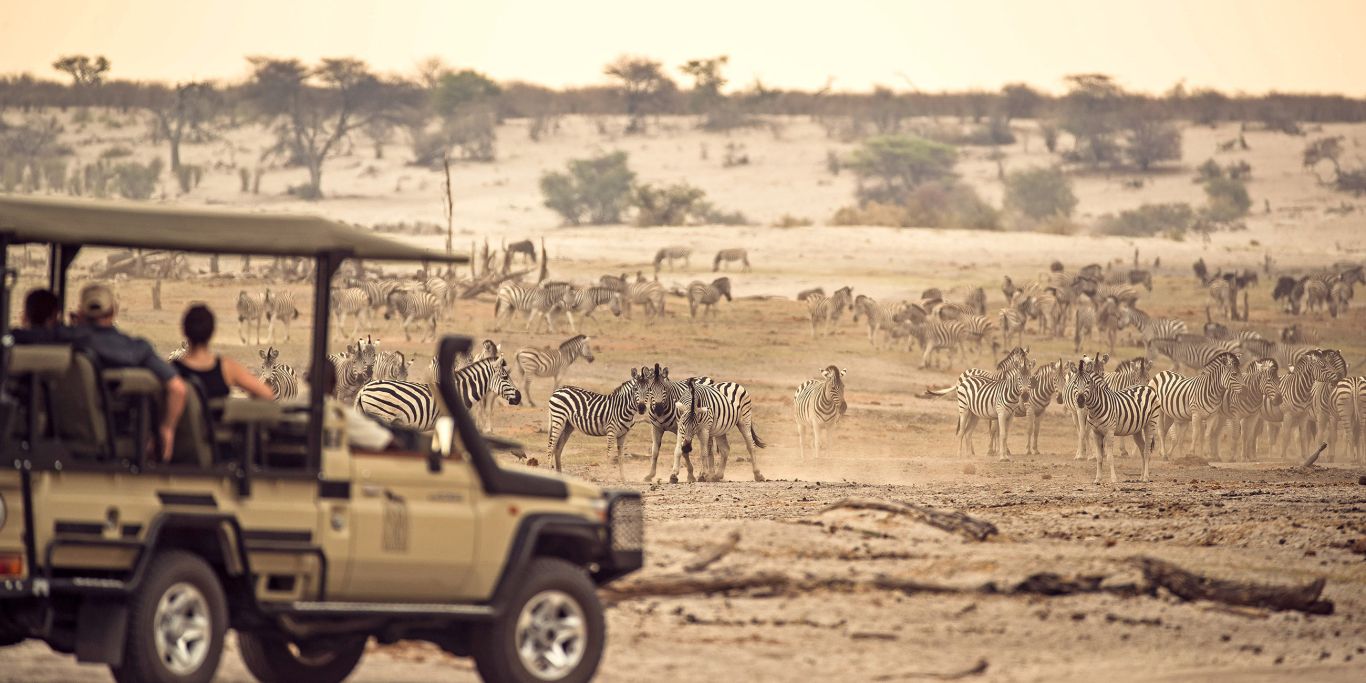
While the Great Migration draws the crowds, thousands of zebras gather along Botswana’s Boteti River each dry season.
The word “migration" probably brings to mind great herds of wildebeest, zebras and gazelles moving across the Serengeti. The Great Migration is a bucket-list event for many travellers, but its most famous viewing points can get busy. If you’d rather watch wildlife with a little more room to breathe, Botswana offers an alternative.
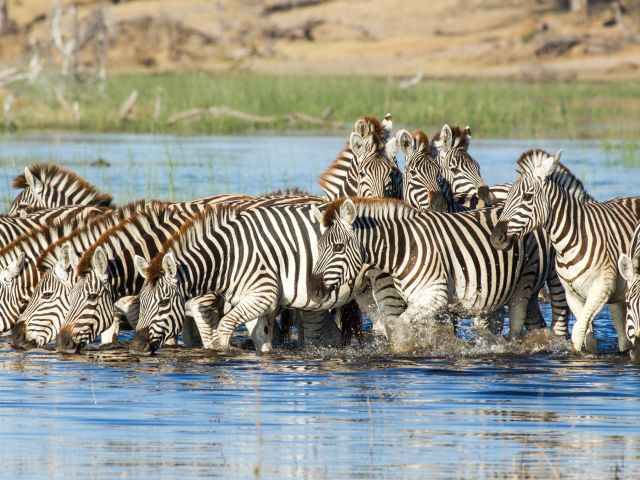
Between the Okavango Delta and the Makgadikgadi Pans, another epic animal movement is underway: one of the largest land mammal migrations in Africa. And unlike the more famous East African version, it offers a quieter way to experience a migration. A group of zebras is called a dazzle, and this collective term makes perfect sense to anyone lucky enough to see one. From June to October, the dry season, herds of zebras funnel towards the Boteti River.
The river, which marks the boundary of Makgadikgadi Pans National Park, is the main drawcard, and it has a remarkable backstory. The Boteti is the main outflow of the Okavango Delta, but after years of low rainfall, it receded and had dried up by the mid-1990s. Zebras and wildebeest still returned to the riverbed, seeking out its remaining waterholes. Floodwaters reached the lodge again in 2009, though the river’s flow has continued to change from year to year.
So when does Botswana’s zebra migration happen?
This journey has more than one chapter. From around May to October, herds typically gather in the Boteti River valley as water becomes harder to find across the surrounding grasslands. This is the part of the migration you can plan to see during the dry season, although the animals’ movements vary from year to year.
When the rains arrive, generally around November or December, fresh grass draws zebras towards the plains around the Makgadikgadi Pans. The dry river valley and the green, open grasslands offer very different safari experiences, but both are part of the same seasonal story.
If your wish is to watch zebras gathering near water, September and October are typically good months to visit the Boteti. There’s no set date when a herd will appear, and no guarantee of what you’ll see on any given game drive. That unpredictability is part of being in the bush.
Where can I get the best view?
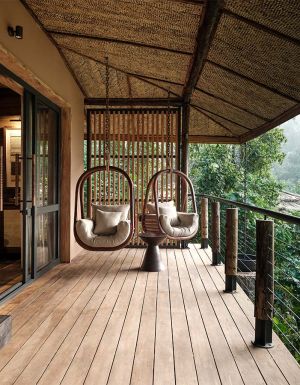
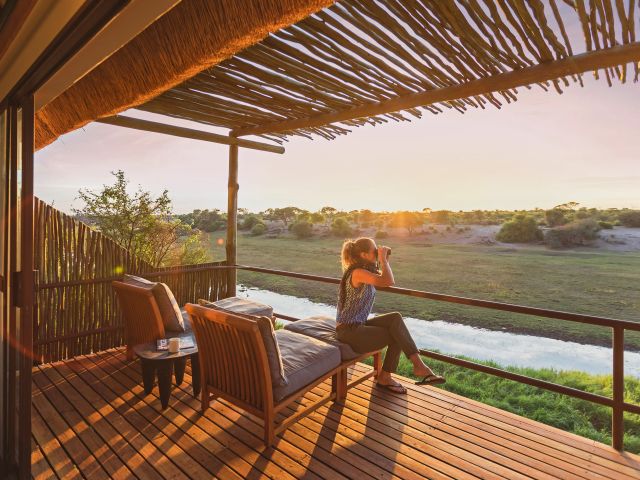
Perched on cliffs more than 10 metres above the river’s western bank, Desert & Delta Safaris’ Leroo La Tau is one of the best vantage points in the country. The setting means you don’t have to go far to see wildlife, and you can watch from your own chalet, from the pool, from the fireside deck, or from a hidden observation shelter built into the riverbank at water level, where the zebras can be observed up close without being disturbed.
The lodge is small, so it never feels busy. There are 11 glass-fronted chalets on raised timber platforms, each with 270-degree views across the valley, plus a two-bedroom family suite, hosting a maximum of 24 guests. Children aged six and over are welcome, and a private airstrip makes it simple to slot into a wider Desert & Delta itinerary.
Guided game drives head out each morning and afternoon, tracking the herds through Makgadikgadi Pans National Park. Besides zebras and wildebeest, you have a chance to spot lions, leopards, cheetahs, brown and spotted hyenas, kudu and even the elusive caracal. As always with wildlife, nothing is guaranteed, which is half the thrill and ensures no two days are the same.
The Serengeti will always have its crowds, and its crossings will always be spectacular. But if watching a migration in a quieter setting sounds more your speed, Botswana’s version deserves a spot on your wish list. Just don’t leave it too long; this won’t stay a hidden gem forever.
Want to see more stories from International Traveller in your Google search results?
- Click here to set International Traveller as a preferred source.
- Tick the box next to "International Traveller". That's it.