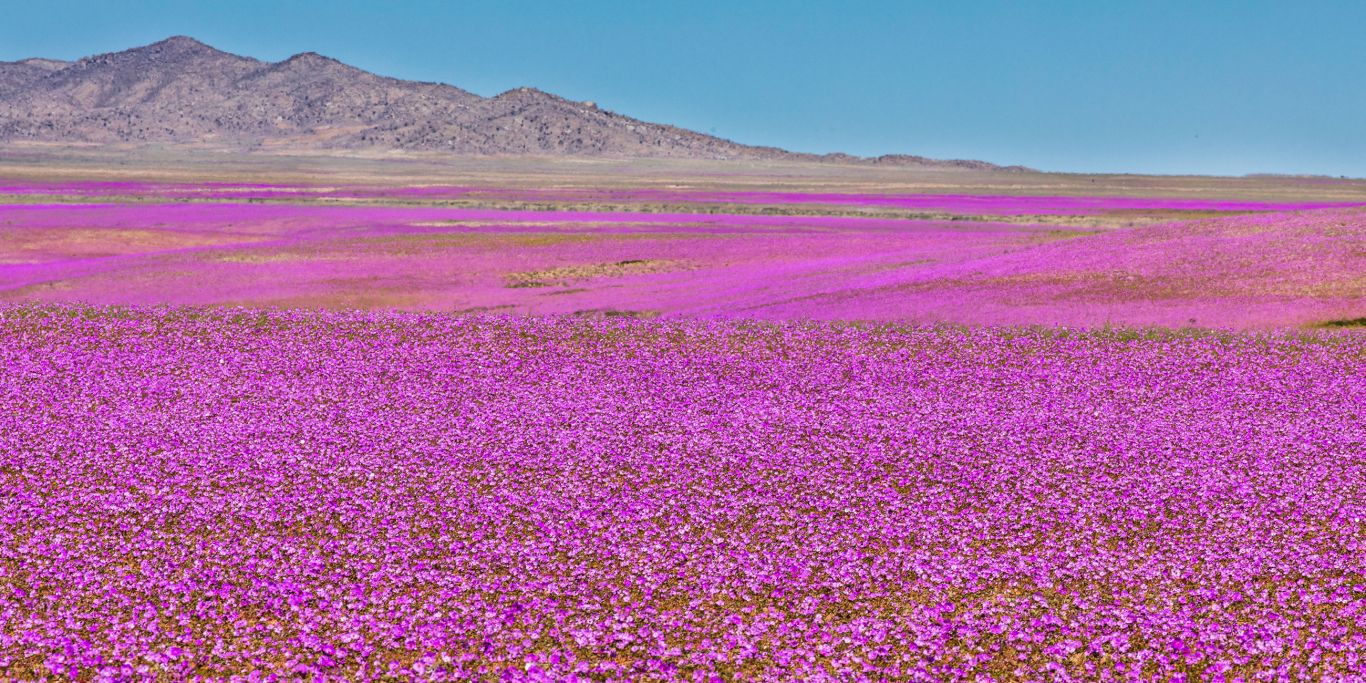

After rainfall, Chile’s Atacama Desert comes alive with over 200 types of flowers, and it’s happening right now.
Sitting on a high, rocky plateau in northern Chile, the Atacama Desert ranks as the oldest, driest nonpolar desert on Earth. It seems all the more wondrous, then, that after heavy rainfall it comes alive with the colours of more than 200 different types of flowers – yellow, purple, pink, white and red are just the beginning. And unusually high rainfall means that 2026 is proving to be even more impressive than usual. This is what you need to know about the Atacama Desert superbloom.
When does a superbloom happen?
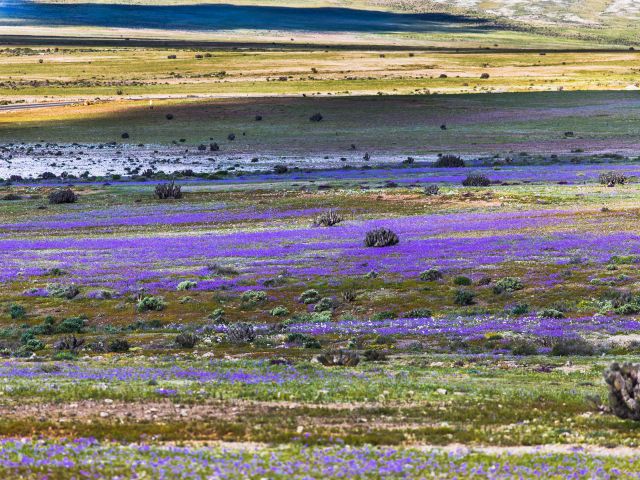
While the flowering blanket does tend to arrive in the Atacama Desert most years, mainly between June and July, there is a very specific combination of weather factors that have to align. The superbloom only activates with a precise combination of rain and cold. That means between 15 and 30 mm of rain must fall, plus it has to keep the ground wet for long enough that the dormant seeds beneath the driest soil in the world are able to be fed. It’s no small feat for nature to pull this off.
The 2026 Atacama Desert superbloom
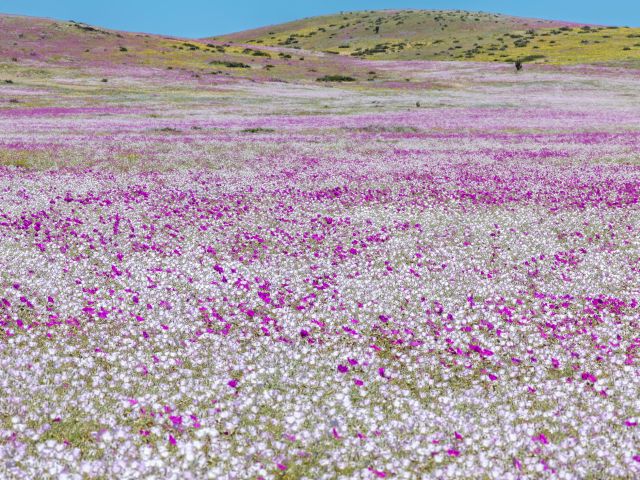
The 2026 superbloom is being touted as a flowering desert event for the record books. Thanks to unusually heavy rains in August. In fact, projections from the National Forestry Corporation (Conaf), the phenomenon could manifest in an area of up to 15,000 square kilometres. This year, the first sprouts began appearing in mid-to-late August near coastal areas, and the superbloom is now in full swing. It’s expected to reach its peak in the second half of October and possibly extend into November. Expect to see añañucas (red/yellow lilies), huillis (white flowers), suspiros (lilac and blue) and more.
Where can you see these flower blankets?
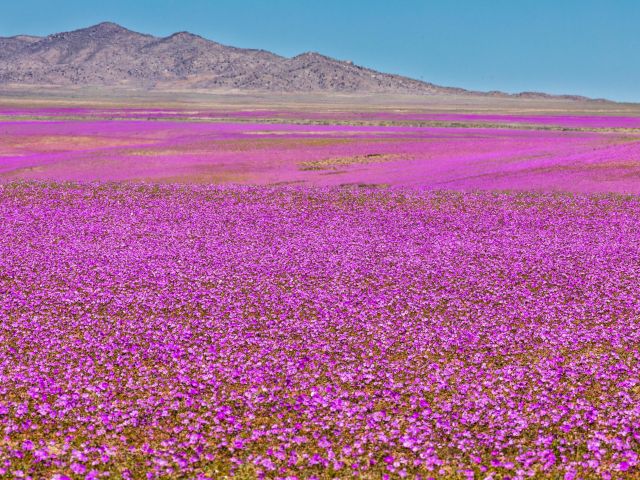
These flowers bloom all over Chile’s Atacama Desert, with the areas of best displays changing year-on-year. For the best chance of viewing them in 2026, it’s recommended to head to the areas of Huasco, Freirina, Vallenar, Caldera, Copiapó and Chañaral.
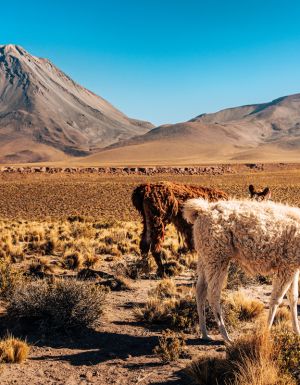
In particular, head 90 kilometres out of Vallenar to spend time in the Llanos de Challe National Park. Here, visitors can walk the trails to take in the desert in bloom, and even spot local wildlife, like guanacos and foxes. Or, head 30 kilometres south of Copiapó to Desierto Florido National Park for vistas of the flowering desert spreading out before dramatic mountain ranges. At the southern edge of the Atacama Desert superbloom, Caleta Chañaral de Aceituno is also putting on a show, plus areas of Totoral.
Don’t want to go it alone? There are plenty of tours you can join. The Chilean Tourism body recommends choosing one that’s registered with Sernatur (you can find the list here). And of course, if you are lucky enough to visit this natural spectacle, be sure to stay on established roads and walking trails, so as not to disturb the flowers.
Want to see more stories from International Traveller in your Google search results?
- Click here to set International Traveller as a preferred source.
- Tick the box next to "International Traveller". That's it.