hero media

Skip the crowds in Johannesburg for this oceanside South African city

A visit to Cape Town reveals a storied city embracing its African soul and sublime setting in fresh new ways.

Sandwiched between the hulking sandstone mountains of the Cape Fold Belt and the glittering sapphire waters of the South Atlantic, few global cities are as spectacularly situated as Cape Town.

Rising up from the edge of its urban core like a giant altar to the gods, the flat-topped Table Mountain presides over streets awash with colour and creativity.

A cultural capital on the rise

The last time I visited Cape Town, it was a cultural capital on the rise, basking in its 2017 designation as Africa’s first UNESCO Capital of Design. Its innovative energy lifts my jetlagged spirits anew as I check into the Cape Grace hotel on the V&A Waterfront.

Reopened as a Fairmont-managed hotel earlier this year, it’s one of several grand Capetonian hotels (including the neighbouring Victoria & Alfred Hotel) fresh from an extensive post-pandemic facelift.
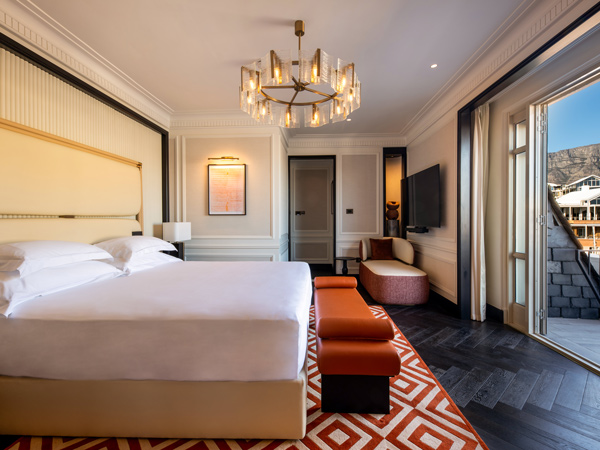
a look inside the Cape Grace Hotel suite bedroom
Recently refreshed Cape Grace Hotel.

Formerly decorated with antiques once owned by controversial imperialist Cecil Rhodes, the reimagining of the Cape Grace – where walls are now hung with contemporary African art and the bookshelves in my smart rooftop terrace suite are stacked with tomes by award-winning African authors – hints at a city increasingly reclaiming its African identity.

Also conveniently located on Cape Town’s historic waterfront is the Zeitz Museum of Contemporary Art Africa (MOCAA), impressively carved out of a 1920s grain silo.
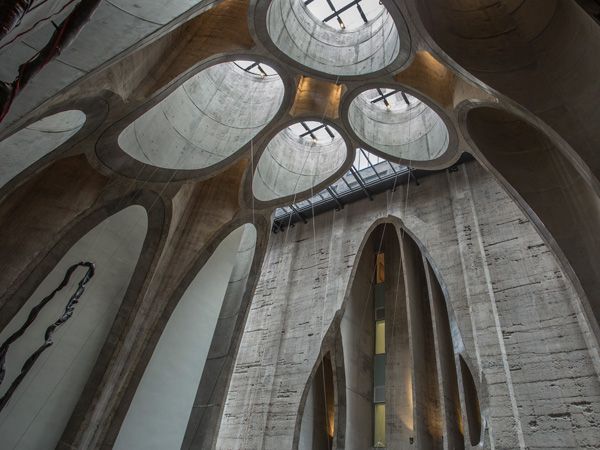
the Zeitz MOCAA Atrium
Zeitz MOCAA is housed within a 1920s grain silo. (Image: Bruno Rosa)

Here Cameroon-born executive director and chief curator Koyo Kouoh, who joined the gallery in 2019, has been credited for transforming the continent’s largest collection of contemporary African and diaspora art into a more dynamic, inclusive space.
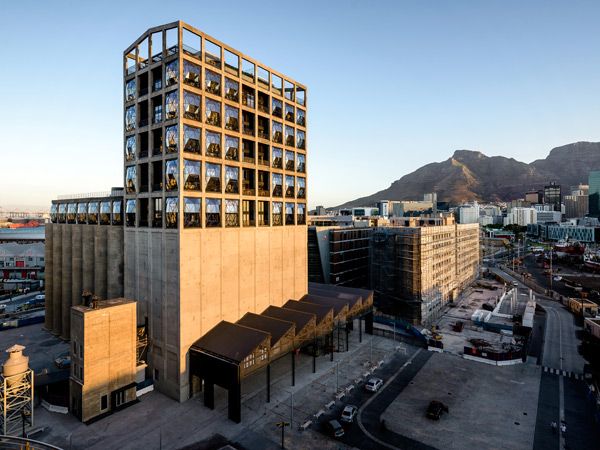
an aerial view of The Silo Hotel, Cape Town
Silo Hotel is an architectural masterpiece above Zeitz MOCAA. (Image: City of Cape Town)

Housed in the same silo building, the opulent Silo Hotel doubles as an exhibition space for contemporary African art collected by the hotel’s owner and designer Liz Biden.

the Silo Hotel’s rooftop pool
Views from Silo Hotel’s rooftop pool.

Biden is known for her fondness of bold, colourful works by the likes of South African artist Athi-Patra Ruga, whose fantastical photography work, The Night of The Long Knives 4 (2013), hangs in the lobby. Making the art here more accessible is the hotel’s own art concierge, Michael Jacobs.
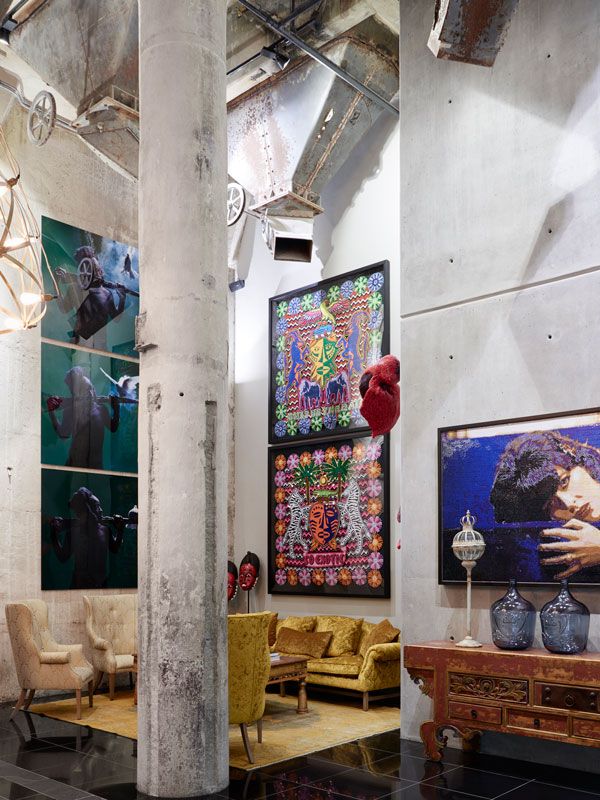
the Silo Hotel lobby with African art on display
The hotel doubles as an exhibition space for contemporary African art. (Image: Mark Williams)

“Instead of focusing solely on interpretation, I encourage guests to ask questions and share their perspectives," says Michael, who was a member of the Zeitz MOCAA founding team.

“This interaction often reveals common themes like land, labour and people prevalent in many contemporary African artworks. By fostering a dialogue, I help guests connect with the stories and cultural contexts behind the pieces, deepening their appreciation and understanding."
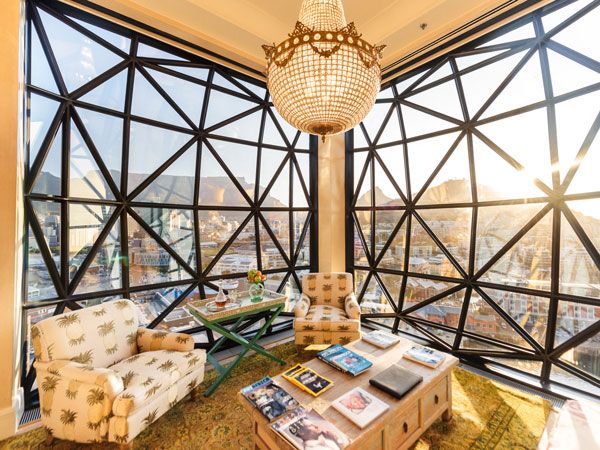
a look inside the penthouse at Silo Hotel
The penthouse at Silo Hotel. (Image: City of Cape Town)

Vibrant and dynamic food scene

Cape Town’s food scene offers another opportunity to connect with the city’s story. Named among the world’s 30 coolest streets by Time Out in 2024, Bree Street is a popular culinary hub, with eateries lining this city-centre strip serving everything from American-style burgers to Nikkei cuisine, nodding to Cape Town’s rich cultural diversity.
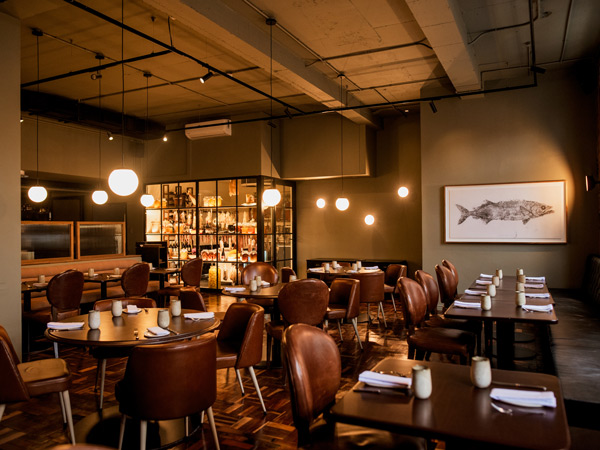
the Merchant Bar & Grill restaurant, Cape Town
Nose-to-tail restaurant Merchant Bar & Grill. (Image: Claire Gunn)

Yet its stand-out restaurants are driven by African flavours. South African street food with a twist (think: boerewors sausage with grilled bacon and banana) and good times are go at desert-inspired Boma, while South African produce is heroed at new nose-to-tail restaurant Merchant Bar & Grill, where the menu shifts with the seasons.
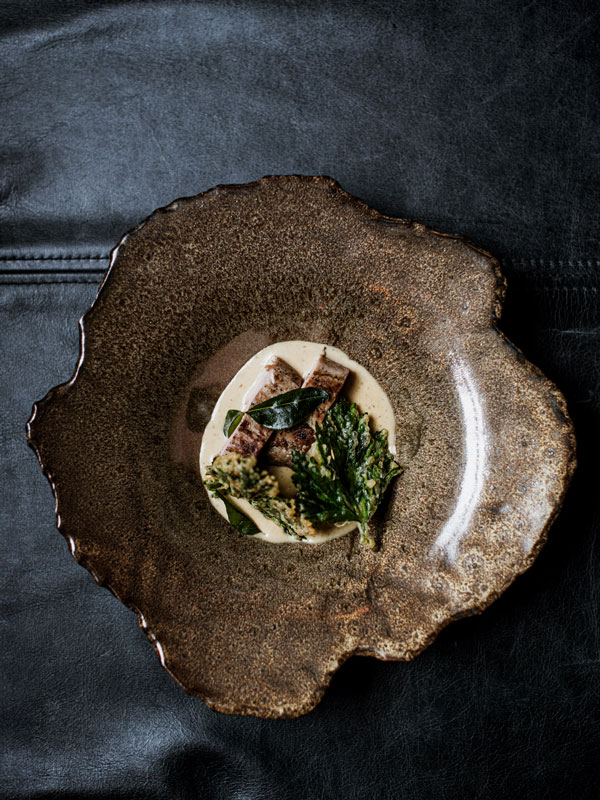
a close-up shot of a South African dish at Merchant Bar & Grill, Cape Town
The menu is centred around South African produce. (Image: Claire Gunn)

Bree Street is also dotted with hip boutiques including Stiebeuel, known for its dreamy-soft Karoo mohair sweaters. But Jacobs sends guests with a proclivity for cutting-edge pan-African fashion to Merchants on Long, two blocks east. Browsing its racks of original designs in a riot of colours and textures, I wish I’d brought a bigger suitcase.
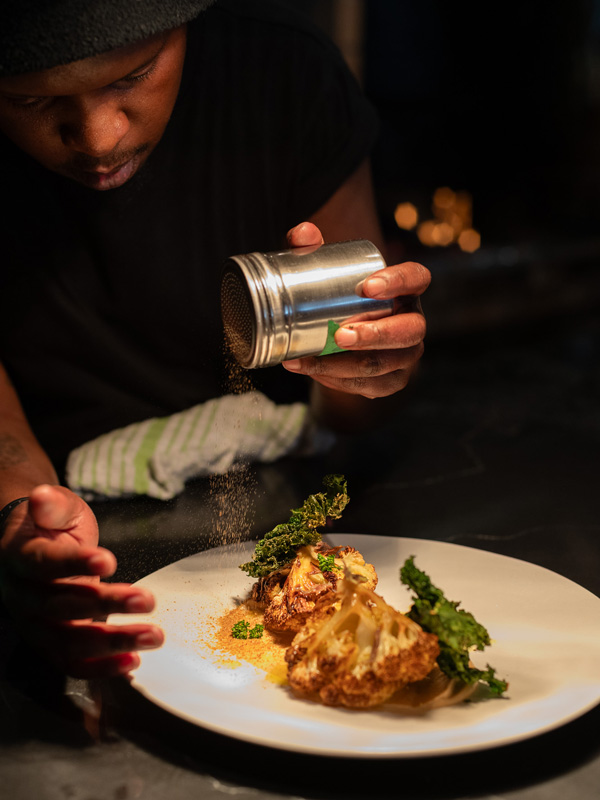
meal preparation at Boma on Bree, Cape Town
Boma serves South African street-style food. (Image: Paris Brummer)

Also at the forefront of African fashion and design is AKJP Studio on Kloof Street, arguably Cape Town’s second-coolest thoroughfare. Like Merchants on Long, it’s a concept store dedicated to nurturing local talent, platforming fashion and lifestyle products from up to 40 South African designers and creatives, as well as its own label centred on chic everyday wear.

Even wine tourism is evolving on the Western Cape. Just a 20-minute drive from the city, the vineyards of Constantia patchwork the foothills of the whale-backed Constantiaberg mountain. Launched in late 2023, the Constantia Wine Walk offers an immersive way to experience South Africa’s oldest wine region that goes beyond the tasting notes.

“The ‘sweet, luscious and agreeable’ dessert wines of Constantia were the toast of palaces and ballrooms across Europe in the 1700s," says Matthew Sterne, the walk’s founder and lead guide, as we begin our walk at the snow-white gates to Groot Constantia, the birthplace of South African wine.

“Along with pineapples, Constantia wine was a symbol of wealth and status – it’s said Queen Victoria drank a glass of it every night," he adds.
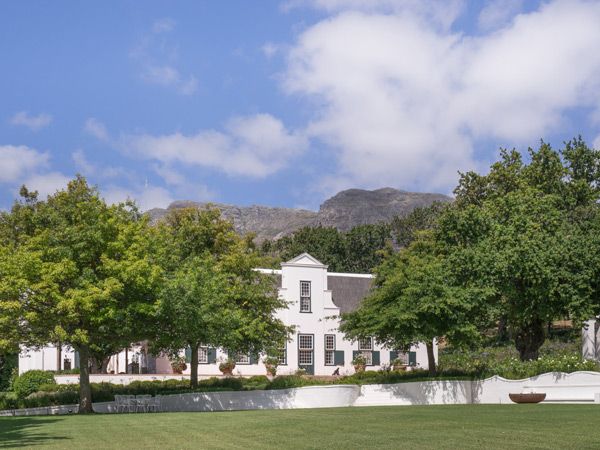
the exterior of Klein Constantia winery
The picturesque Klein Constantia winery. (Image: Heiko Von Fintel)

A born storyteller, Matthew expertly taps his deep knowledge of Constantia’s history as we stroll private trails linking a trio of local wineries.

Among its early pioneers, he tells our small group, was Zwarte Maria Evert, who, after being born into slavery in Cape Town not only became one of the colony’s first free Blacks, but also one of its most powerful farmers and landowners.

Her son, Johannes Colijn, put Constantia wine on the map after reaching an agreement to supply the Dutch East India Company annually from 1727, and his descendants continued to produce their sought-after wines on a subdivision of Groot Constantia until the late 1850s.

Yet the family’s significant contribution to the industry went largely unsung until recently, Sterne tells us.

As I sip and swirl from one postcard-perfect winery to the next, it becomes easier to understand why Constantia wines are now making a comeback after the local industry collapsed in the 1860s.

While some excellent dessert wines are still produced here, the sauvignon blancs and Bordeaux-style reds I sample – particularly at Klein Constantia, the historic wine farm formerly owned by Colijn – are sensational.

I reconnect with Sterne at Cape Town’s Signal Hill on a crisp autumnal morning to tackle The Lion Trail, a more adventurous storytelling experience he also founded in 2023.

After kicking off with an intro to the city’s maritime history, we track a fynbos-clad side-route around the base of Lion’s Head, Cape Town’s second most famous mountain, before dropping into a lush valley.

the Lion’s Head mountain
Lesser-known Lion’s Head Mountain. (Image: South Africa Tourism)

Here, we pause to learn about a program tracking the caracals that roam this urban forest, and while the wild cats elude us, I spot a plump hyrax (like a supersized guinea pig, known locally as a dassie) basking on the rocks at perversely picturesque Camps Bay Beach, where we snack on gourmet samosas popularised by the city’s Cape Malay community.

We zoom back to the heart of the city aboard a fleet of electric scooters. Speeding along the winding Sea Point Promenade as the swell surges against the seawall and the briny aroma of kelp fills the air, I can picture myself living here. Charismatic, complex and constantly evolving, Cape Town is a city I could never tire of.

Weekly travel news, experiences
insider tips, offers,
and more.

A traveller’s checklist

Getting there

Qantas and South African Airways fly to Cape Town via Johannesburg from Australian capitals. Uber is among the safest and most affordable local transport options.

Staying there

Soak up the mountain and water views, contemporary design and central location of the Cape Grace hotel or The Silo Hotel.

Drinking there

Learn the stories of Cape Town through the cocktail list at Fable.
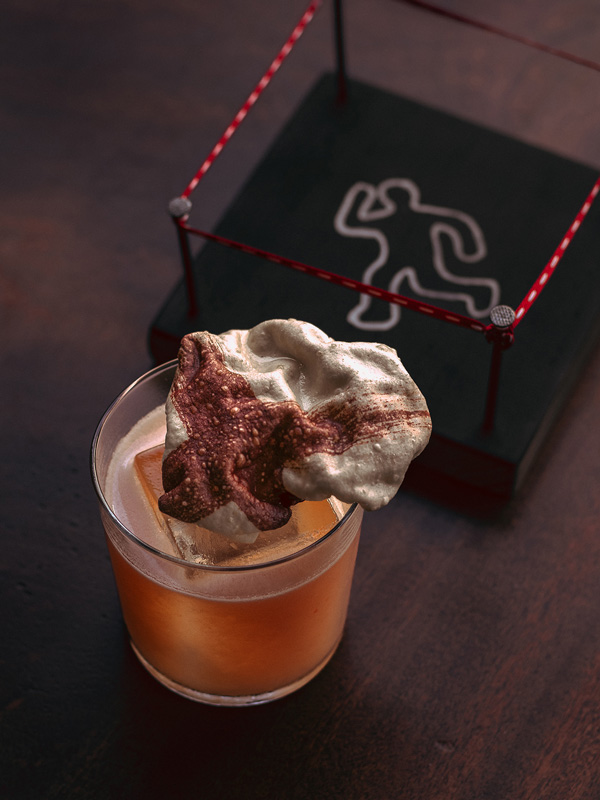
a glass of cocktail at Fable, Cape Town
Cocktail hour at Fable.

Or cosy up with a whisky at the Cape Grace’s reimagined Bascule Bar.

Want to see more stories from International Traveller in your Google search results?

  1. Click here to set International Traveller as a preferred source.
  2. Tick the box next to "International Traveller". That's it.
Sarah Reid
Sarah Reid is a multi-award-winning freelance travel writer, author and positive-impact travel advocate. When she’s not out exploring or writing about her adventures, you’ll find her at the beach in her Byron Bay hometown or savouring a glass of Aussie vino in the sun.
View profile and articles
hero media

5 things every hotel needs for a more restorative stay

    Kate Bettes Kate Bettes
    Wellbeing means different things to different travellers. Here’s how to pick a hotel that gets it right for you.

    The best wellness holidays aren’t necessarily spent wrapped in a spa robe. Sometimes they’re found around a dinner table in Cambodia, on a hiking trail in New Zealand or after finally beating jet lag on the other side of the world. The hotel you choose is what makes them happen.

    1. Easy access to good food

    meals from Novotel Bangkok Sukhumvit 20
    Taste delicious meals at Novotel Bangkok Sukhumvit 20.

    One of the quickest ways to derail healthy habits on holiday is to spend half of it working out where to eat instead of digging into the culture around you. Thankfully, Novotel has done much of the hard work already, with chefs building menus that lean into the flavours, ingredients and traditions of each destination.

    In Sihanoukville, Cambodia, Korkor soup – often dubbed ‘Cambodian ratatouille’ – sits alongside raw blue crab dressed with lime and chilli, best enjoyed with views across the Gulf of Thailand.

    In the lovingly chaotic city of Bangkok, the presence of food cranks up the sociability. At Novotel Bangkok Sukhumvit 20, you can settle in with mango sticky rice and stranger-turned-friends beside the pool at Sky on 20 rooftop bar, or bring them along to tackle river prawns and stir-fried crab with holy basil at the buzzing Crab Paradise Dinner Buffet.

    Then Novotel Dubai Al Barsha welcomes you with a laidback twist on the level of indulgence the Middle Eastern city is best known for up on Deck Se7en. Looking towards Burj Al Arab, the rooftop lounge has everything from Mediterranean-style dishes like seabass ceviche to Italian prosecco sundowners.

    At the other end of the scale, in the hills that surround the Novotel Bali Ubud Resort, calm comes from nature. At Siralada restaurant, Balinese traditions shape the menu while thunder rumbles over the surrounding jungle – proving the setting is as nourishing as the food itself.

    While at Novotel Nha Trang, chef Kieu Thi My Hanh and her team showcase Vietnam’s knack for balancing freshness, texture and fragrant herbs. Pho remains a favourite, while seafood salad with pomelo and mango brings those flavours together in one bright dish.

    It’s all an approach backed by partnerships with expert food creators such as Alfie Steiner, whose plant-forward recipes prove healthy food should never taste plain.

    2. Better sleep options

    Novotel Bali Ubud Resort room
    Sleep deeply with Novotel.

    There are few travel experiences more disappointing than arriving in a new country, determined to seize the day, only to fall asleep fully clothed by 3pm.

    For Australian travellers, jet lag is often an unavoidable part of the journey. That’s one reason Novotel runs sleep-focused initiatives that help guests adjust quickly without compromising on health. We’re talking partnerships with Sydney-based sleep specialist Olivia Arezzolo, known for her advice on everything from better sleep habits to beating jet lag, alongside features like pillow menus, in-room yoga content and tailored sleep guidance.

    The sooner you’re operating on local time, the sooner you can get back to more pressing matters – like deciding which spa treatment to book.

    3. More ways to move

    woman hiking around queenstown new zealand
    Stay at Novotel Queenstown Lakeside and explore local hiking trails. (Credit: GettyI mages/ naruedom)

    Every place in the world has its own way of getting you moving: whether that’s hiking up ice-bitten mountains before a sauna or gentle stretching by the pool before a facial. From fitness centres to spas, Novotel recognises that wellbeing rarely looks the same.

    At Novotel Queenstown Lakeside, activity is inescapable. Here, hiking trails, ski fields, bungee jumps, and white-water rafting have made the region famous. The hotel’s location on the shores of Lake Wakatipu means less time spent organising yourself and more time out there experiencing them. To top it all off, you can book a private hot tub for the evening before heading back into the wilderness tomorrow.

    Bali, of course, takes a softer approach. At Novotel Bali Ubud Resort or Novotel Bali Nusa Dua, movement is less about conquering a mountain and more about a dance class between the tropical gardens and lagoon pools. Afterwards, the spa takes over, with traditional treatments like a Lulur body scrub: a combination of rice, turmeric, sandalwood, ginger and jasmine that’ll soothe muscles already relaxed by the Balinese heat.

    4. Better connections

    Novotel Sharm El Sheikh
    Kids will love a stay at Novotel Sharm El Sheikh.

    One of the best things about travel is that it gives your family stories you’ll be telling for years. Novotel helps create them with activities that bring everyone together, whether that’s trying something new, learning a local skill, or simply spending more time together.

    Go for a distinctly Thai twist at Novotel Phuket Vintage Park, where many of the family activities draw on local culture. Kids can try everything from beginner Thai boxing and language lessons to umbrella painting and – a pastime beloved by children the world over – pool foam parties. Everyone is welcome to join in, whether that’s getting splashed, covered in paint, or simply watching their children discover a new side of Thailand during the dedicated Family & Kids Day.

    A different adventure awaits at Novotel Sharm El Sheikh. Kids could be perfectly content with discos, drawing classes and new holiday friends, but the Red Sea has other ideas. Sitting on the edge of Naama Bay, days here might involve snorkelling colourful reefs, taking a boat trip to Ras Mohammed National Park or heading into the desert by quad bike or camel for a Bedouin-style dinner beneath the stars.

    5. Location is everything

    Surin Beach, Choeng Thale, Thalang District, Phuket, Thaiföld
    Explore Phuket’s gorgeous beaches. (Credit: Bence Biczo)

    Everyone’s idea of wellness looks a little different. With more than 600 hotels across 65 countries, Novotel gives guests the freedom to choose the destination that suits them best. Whether that’s a beachside escape in Phuket, an alpine expedition in Queenstown or a city break in Bangkok, there’s a good chance a Novotel isn’t far away.

    All that’s left? Choosing your version of wellbeing.

    Discover stays to inspire your everyday at novotel.accor.com.